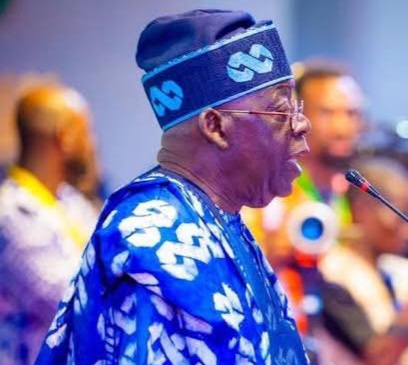
 Keji Mustapha
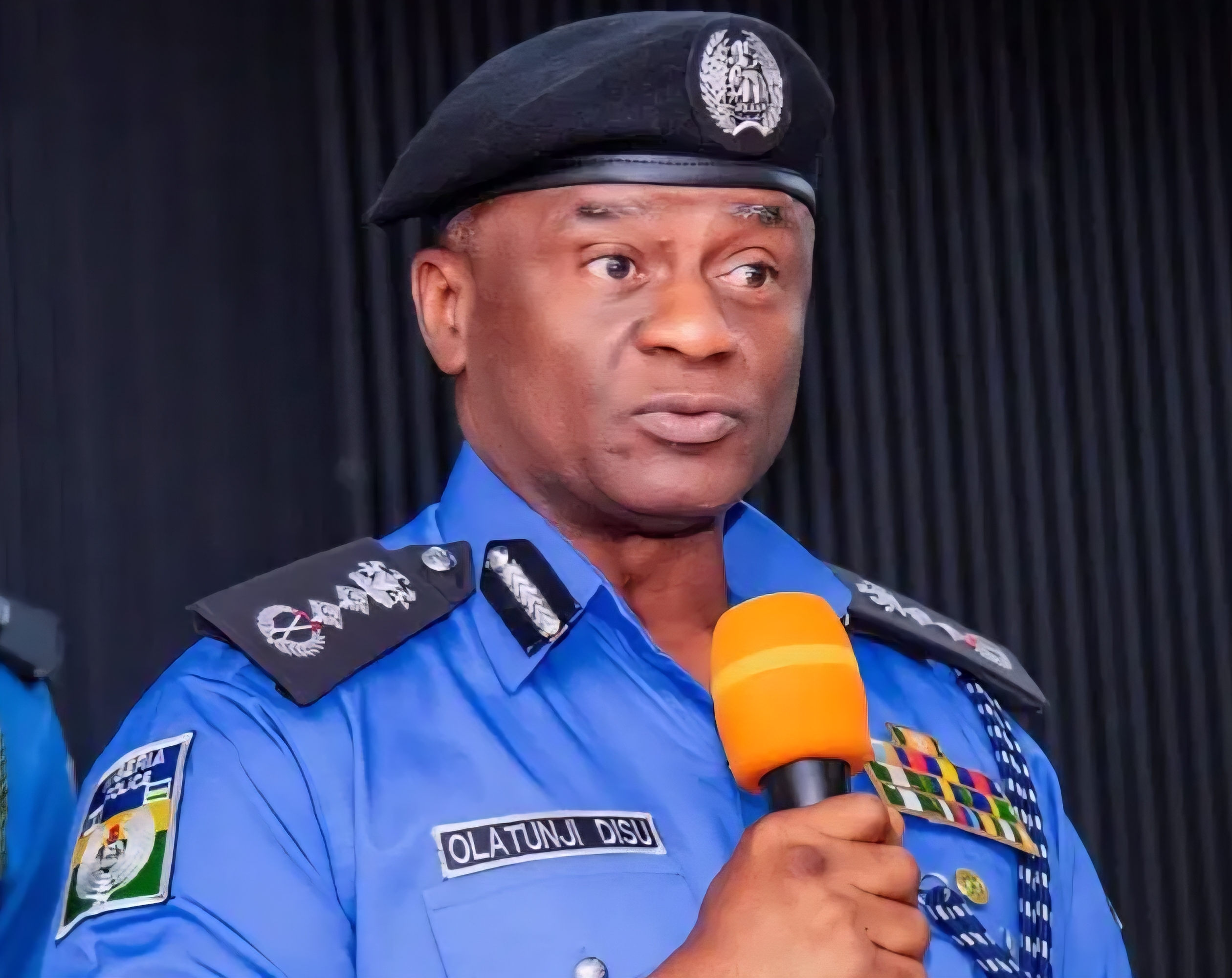
Pix: Inspector General of Police, Kayode Egbetokun
Ocholi Enejoh, a Criminologist writes in from Lagos
Few institutions in Nigeria inspire as much fear, resentment, and disappointment as the police. Entrusted with protecting more than 220 million citizens, the Nigeria Police Force has instead become a symbol of distrust, inefficiency, and abuse. It is the checkpoint that extracts bribes, the unlawful detention cell, the face of a state too often hostile to its own people.
Surveys consistently reveal that the majority of Nigerians hold little or no trust in the force. Transparency International ranked it the most corrupt public institution in the country. For a nation striving to sustain democracy, this reality presents more than a crisis of policing it represents a crisis of legitimacy.
Yet the story is not entirely one of decay. Within the ranks are officers of genuine integrity, men and women who cling to the idea that policing is service, not commerce. They wear their uniforms with honour and still believe in justice. But these officers are systematically sidelined, trapped within a structure that elevates impunity and suppresses principle.
The problem is not the absence of good officers; it is the paralysis of the system. Honest patrolmen who resist extortion risk isolation. Investigators who challenge the wealthy or politically connected face transfer, dismissal, or worse. What should be a career of service too often becomes an exercise in survival against corruption.
Intelligence-gathering epitomizes this backwardness. While other nations deploy data analytics, digital forensics, and artificial intelligence, Nigeria clings to manual informants and paper files. This outdated method leaves policing reactive rather than proactive, inefficient rather than strategic. The citizens pay the price, while the powerful exploit the weakness.
Arrests and prosecutions fare little better. Amnesty International reports that over 80 percent of detainees in Nigeria have endured unlawful arrests or torture. Conviction rates for serious crimes hover below 25 percent, and high-profile suspects rarely face trial. Justice, to ordinary Nigerians, appears negotiable and reserved for those without wealth or influence.
Within such a landscape, the good officer finds himself powerless. He may wish to act by the book, to arrest with respect, to prosecute with evidence. Yet files vanish mysteriously when they involve elites. Pressure comes from above to “go slow” or “look away.” The system does not reward honesty; it suffocates it.
Police stations themselves have become symbols of dysfunction. Cells overflow with detainees, many held far beyond constitutional limits. Reports of torture remain common. At the same time, elites accused of crime are treated with deference, seldom spending more than a few hours in custody. The double standard corrodes public faith and mocks the sacrifice of officers who still believe in justice.
The #EndSARS protests of 2020 exposed the fracture between the police and the public in raw form. Young Nigerians demanded an end to brutality and extortion. The state’s violent crackdown deepened the rupture, with panels of inquiry later indicting dozens of officers. Yet prosecutions remain scarce. The lesson is bitter: impunity is preserved, accountability postponed.
For good officers, this is devastating. They watched colleagues indicted for excesses walk free, while their own adherence to rules brought no recognition. Their faith in the system wanes, and their loyalty is tested not by the public but by the institution itself.
Perhaps the most corrosive force is the influence of Nigeria’s elites. Recruitment lists are padded with politically connected names. Lucrative postings go to officers who can generate money, not those who serve with diligence. Promotions are bought, not earned. In such an environment, professionalism is punished while loyalty to wealth is rewarded.
The force thus becomes an instrument not of law but of capture. Instead of serving the republic, too many officers serve individuals. For the honest ones, this is the deepest frustration: they swear an oath to protect the people, but the system demands obedience to power.
What would true reorientation look like? It begins with protection for good officers. Integrity must not be a liability but an asset. Those who refuse bribes, who conduct lawful arrests, who resist elite pressure should be celebrated, not sidelined. The institution must shield them from retaliation.
Reorientation must also dismantle the culture of impunity. Officers implicated in brutality or corruption should face swift justice, regardless of rank or connection. Accountability cannot be selective. An impartial oversight body, independent of both police leadership and political interference, is essential.
Equally critical is modernization. Training must shift from colonial-era manuals to contemporary threats: cybercrime, terrorism, financial fraud. Technology body cameras, digital crime databases, forensic laboratories must be standard, not optional. Transparency in process reduces the room for manipulation and strengthens trust.
Welfare reform is indispensable. An officer paid poverty wages will be vulnerable to extortion. Adequate salaries, housing, insurance, and pensions would not only reduce corruption but also affirm dignity in service. When officers feel valued, they are less likely to brutalize or exploit citizens.
Leadership is the fulcrum. Successive Inspectors General have promised reform but delivered little. Real reorientation requires leaders who resist political capture, who embody integrity, and who prioritize loyalty to the people over service to the elite. Without this, no reform can take root.
The survival of Nigeria’s democracy hinges on this transformation. A police force that serves elites undermines the rule of law, corrodes public trust, and delegitimizes government itself. A police force that serves the people, however, becomes the guardian of democracy and the guarantor of civic faith.
The good officers within the system are proof that redemption is possible. They are the embers of professionalism, waiting to be fanned into flame. But they cannot succeed alone. Only systemic reorientation, mental, structural, operational can free them from the grip of corruption and allow them to lead the institution into a new era.
Nigeria does not lack men and women willing to serve with honour. It lacks a system that allows them to thrive. Reorientation is not simply about removing the bad; it is about empowering the good. Only then can the Nigeria Police reclaim the loyalty of the people, restore its dignity, and stand as the shield of the republic rather than its shame.