 Keji Mustapha
The Chief of Naval Staff (CNS), Vice Admiral Emmanuel Ogalla, has emphasized that the future strength of the Nigerian military depends on embracing homegrown technology and innovation.
Speaking at the Nigerian Navy Seminar on Research and Development in Abuja, themed “Utilizing Emerging Technology for Enhanced Operational Effectiveness”, Ogalla stressed that technological superiority, not fleet size, would determine Nigeria’s ability to dominate its maritime environment and safeguard its oil-rich waters. He was represented at the event by Rear Admiral Hamza Kaoje, Chief of Communication and Information Technology (Navy).
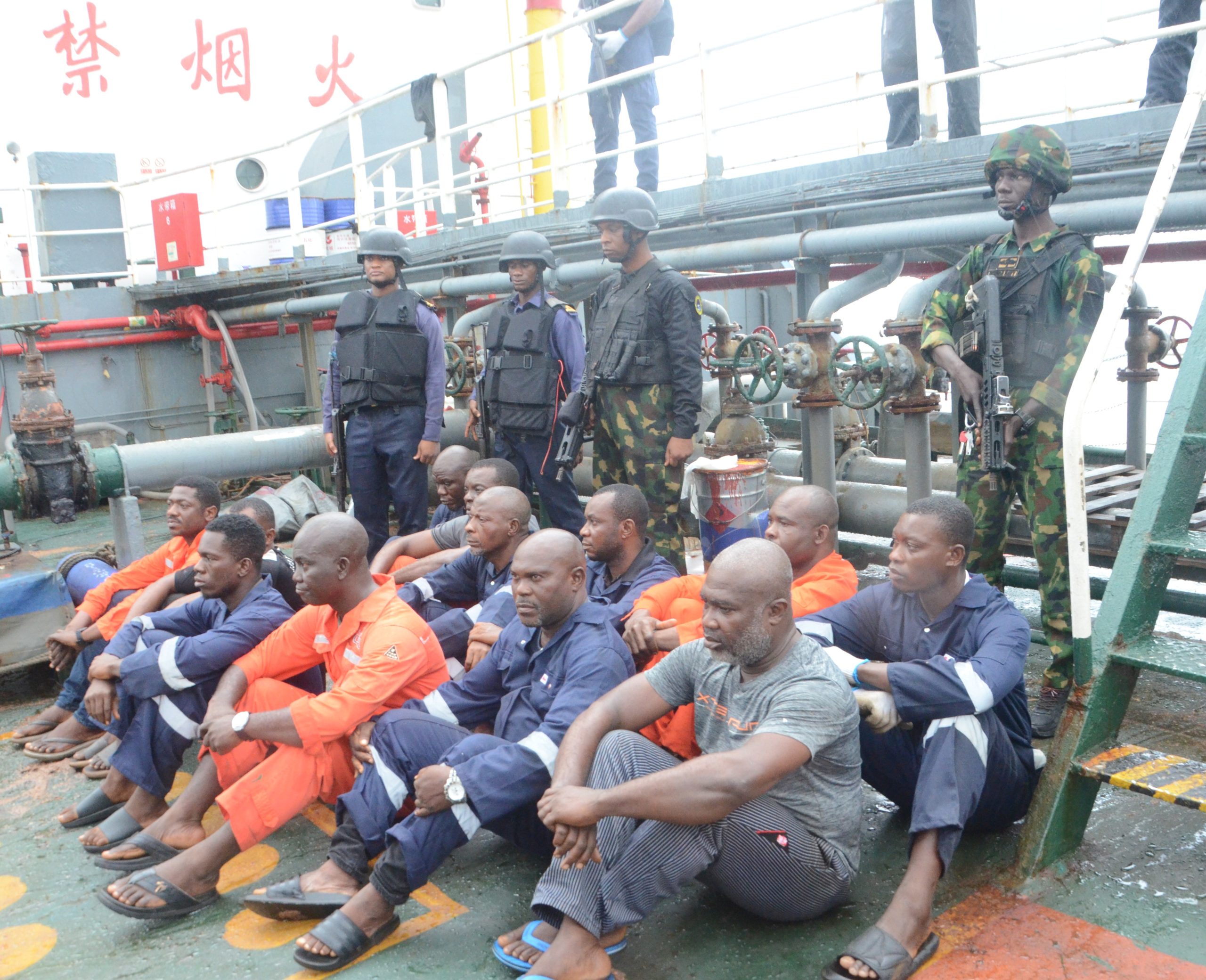
Ogalla noted that the nation faces fast-evolving asymmetric threats from pirates, oil thieves, smugglers, and insurgent groups who are increasingly deploying unmanned platforms, encrypted communications, and advanced navigation tools.
“The battle for maritime security will no longer be won by numbers or conventional platforms,” he said. “It will be decided by who has superior innovation, intelligence, adaptability, and technological sophistication.”
He called for urgent investment in locally developed mission-critical assets such as radars, navigation systems, drones, secure communication equipment, and surveillance systems, describing it as a matter of “strategic necessity, not prestige.”
The CNS highlighted modest progress in local shipbuilding through the Naval Dockyard Limited (NDL) and the Naval Shipyard Limited (NSL), but insisted that the pace of innovation must be accelerated. He also announced plans to establish innovation hubs, hackathons, and ideation labs across naval formations to harness the creativity of personnel.
“Research and development can no longer be treated as an academic exercise,” he said. “It must be institutionalized as a core strategic asset, on par with personnel, weapons, and logistics.”
Ogalla further urged lawmakers to provide funding and policy support, the private sector to partner in manufacturing and testing, and universities to translate research into practical field technologies. He also insisted that Nigeria must replace reliance on imports with genuine technology transfer agreements.
Earlier, Rear Admiral Monday Unurhiere, Chief Transformation (Navy), said the seminar was timely, noting that technology has always shaped the outcomes of battles in favor of nations that effectively harness it. He stressed that the Nigerian Armed Forces remain committed to eliminating diverse threats to national security.
Also speaking, AVM Osichinaka Ubadike, a professor of Aerospace Engineering, called on the Navy to strengthen its capabilities in unmanned aerial vehicle (UAV) technology to enhance maritime operations. He underscored that research, innovation, and local initiatives are indispensable in modern warfare.