 Keji Mustapha
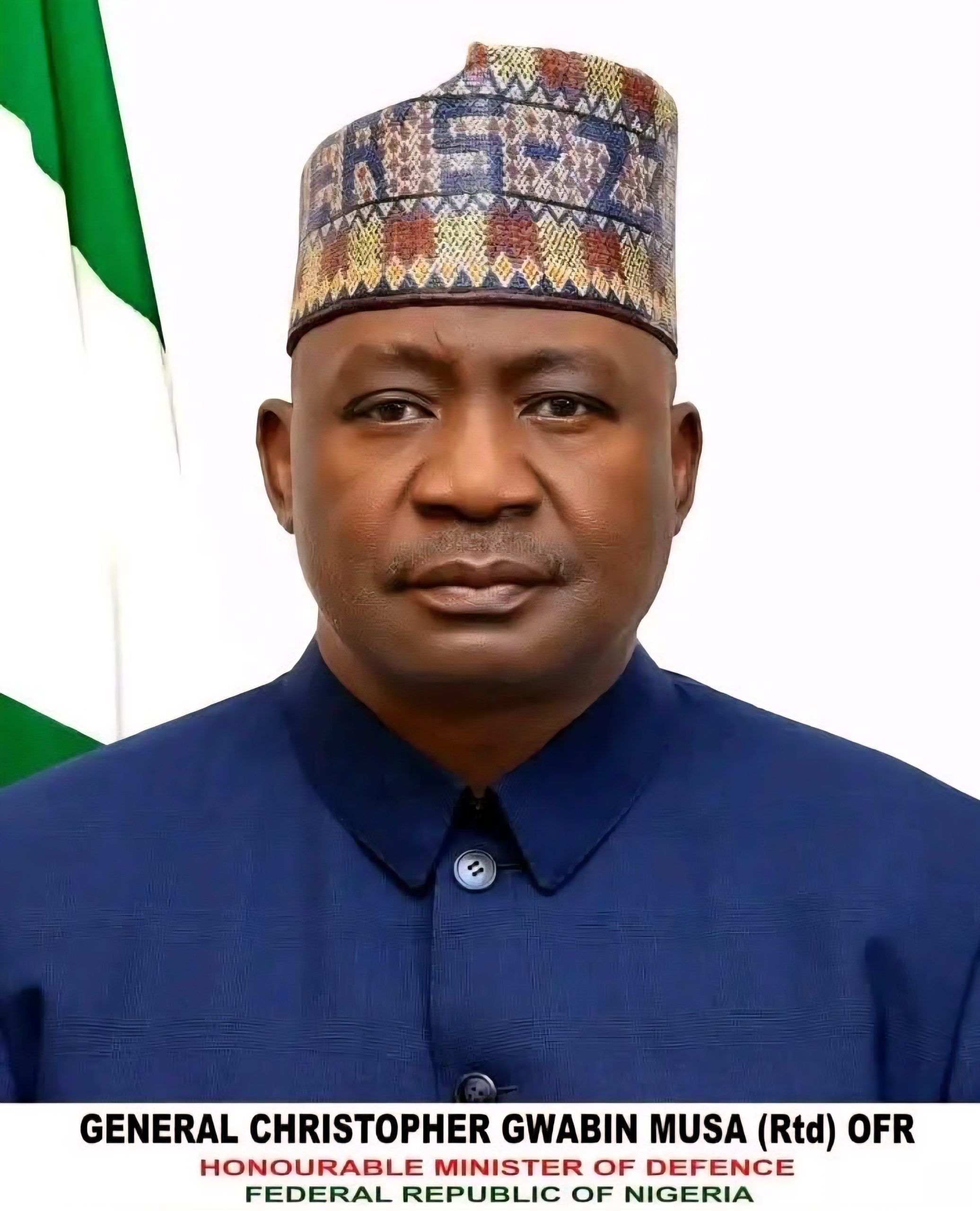
Pix: General Musa, Drfence Minister
By: Isiaka Mustapha, Chief Operating Officer/Editor-In-Chief, People’s Security Monitor
Nigeria is passing through one of the most demanding security periods since independence. The country is contending with insurgency in the North East, banditry in the North West, separatist violence in the South East, and a steady rise in criminal activity across major cities. These threats are unfolding at the same time, stretching the armed forces and exposing long standing weaknesses. At this stage, the challenge is no longer only about tactics or troop strength; it is about endurance, control, and the ability to sustain operations without external bottlenecks.
This reality brings the Defence Industries Corporation of Nigeria (DICON) back to the centre of national security thinking. Its revival is no longer a policy option to be considered at leisure; it is a necessity Nigeria can no longer postpone.
For decades, Nigeria has depended heavily on foreign suppliers for arms, ammunition, and military equipment. Between 2014 and 2023, the country spent billions of dollars on arms imports, yet shortages and delays persisted. Export restrictions, diplomatic pressures, and global conflicts repeatedly interfered with supply timelines, often at critical moments. In contemporary warfare, reliance on external supply chains is a strategic vulnerability, and Nigeria has paid a high price for it.
Ironically, this was the exact problem DICON was created to prevent. Established in 1964, DICON was meant to anchor Nigeria’s defence self reliance by producing small arms, ammunition, and basic military hardware. At its height, the corporation reportedly manufactured tens of millions of rounds of ammunition each year. Over time, however, neglect, inconsistent policies, and inadequate funding pushed it into near inactivity, even as insecurity spread across the country.
Today, that neglect is no longer sustainable. Conflict monitoring reports indicate that Nigeria records thousands of conflict related deaths every year, with security forces deployed in nearly every state. Sustaining such wide ranging operations requires a steady and dependable flow of equipment and ammunition. Importing these essentials in a fiercely competitive global arms market is both risky and costly.
This places a significant responsibility on the Defence Minister, General Christopher Musa. His role goes beyond administration; it carries strategic weight. The revival of DICON must be treated as a frontline security priority, not as an industrial side project.
Without a strong domestic defence production base, battlefield successes remain fragile, always vulnerable to supply disruptions beyond Nigeria’s control.
The financial argument alone is compelling. Nigeria’s defence budget now runs into trillions of naira each year, yet a large share of that spending goes abroad through foreign procurement. This drains scarce foreign exchange at a time of serious economic strain. Reviving DICON would keep part of that expenditure within the country, stimulate local industry, create skilled jobs, and strengthen Nigeria’s manufacturing base.
Other countries facing prolonged security threats have drawn clear lessons. Turkey raised domestic defence production from roughly 20 percent in the early 2000s to over 70 percent by 2022, sharply cutting imports while building an export industry. India, Pakistan, and Iran also invested heavily in local defence industries as part of their survival strategies. Nigeria cannot afford to remain an outlier.
Beyond cost, local production offers speed and flexibility. Equipment manufactured at home can be adapted to Nigeria’s terrain, climate, and operational realities. Feedback from troops can be quickly translated into design improvements, a crucial advantage when confronting fast evolving, non conventional threats.
There is also the issue of morale. Soldiers deployed daily across multiple fronts gain confidence from knowing their country can equip them without hesitation. A functional DICON sends a strong signal of commitment to their safety and effectiveness. Morale, often
overlooked, is a powerful force multiplier, and prolonged neglect weakens it.
The revival of DICON also speaks to national dignity and sovereignty.
A nation of over 220 million people, with one of Africa’s largest armed forces, should not remain permanently dependent on foreign factories for its basic defence needs. Strategic autonomy is a core element of true independence.
General Musa’s leadership will be decisive in turning this vision into reality. As Defence Minister, he can align procurement plans with
DICON’s production capacity, ensuring that manufacturing responds to real operational demand rather than symbolic ambition. This
coordination was missing in the past and must now be restored with urgency.
However, revival must be anchored in reform, not nostalgia. DICON needs modern technology, transparent management, and partnerships that prioritise genuine technology transfer rather than simple assembly. Clear performance targets and strict oversight are essential to avoid repeating old mistakes.
The security implications extend beyond hardware. Domestic production reduces exposure of sensitive operational information to foreign entities. In an era defined by cyber threats, intelligence warfare, and shifting alliances, control of the defence supply chain is a strategic advantage.
Critics argue that Nigeria has tried before and failed. That is true.
But past failure under different conditions cannot justify inaction today. The scale of the current security challenge makes delay far
more dangerous than reform. The cost of hesitation is measured in lives lost and communities displaced.
This moment therefore calls for decisive leadership. The rebirth of DICON should be treated as a national security emergency, driven from the highest levels of defence leadership. General Musa has both the
authority and the experience to make this happen, provided the political will remains firm.
Nigeria now faces a clear choice: continue managing insecurity through imported lifelines, or invest boldly in domestic capacity that strengthens both defence and the economy. History will judge this period by whether it chose dependency or self reliance. For Nigeria and its armed forces, the revival of DICON is no longer optional.