 Keji Mustapha
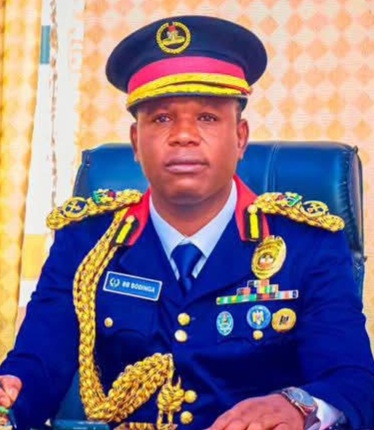
Pix: Disu
By Isiaka Mustapha, Chief Operating Offixcer/Editor-in-Chief, People’a Security Officer – 08055001816
The emergence of Olatunji Disu as the new Inspector General of Police comes at a time when public expectations of the Nigeria Police Force are both high and cautious. For decades, the institution has struggled with credibility challenges, operational weaknesses, and deep institutional problems that successive leaderships have attempted, with mixed results, to address. If Disu is truly ready to lead the police in a positive direction, his first priority must be to rebuild trust between the police and the Nigerian public. Without public confidence, effective policing becomes extremely difficult because citizens become reluctant to cooperate with law enforcement.
A major issue that has damaged the reputation of the police over the years is corruption within the ranks. Allegations of bribery, extortion at checkpoints, and financial misconduct have continued to shape public perception of the force. Past leaderships have promised reforms, but the problem has remained persistent. Disu must therefore demonstrate seriousness by strengthening internal monitoring mechanisms and ensuring that officers found guilty of corruption face clear consequences.
Professional discipline within the force should also be treated as an urgent matter. For years, Nigerians have complained about officers abusing authority, engaging in unnecessary force, or disregarding basic rules of conduct. These actions have gradually weakened the moral authority of the police. A new leadership must send a clear message that professionalism is non negotiable.
The welfare of police officers is another critical area that requires immediate attention. Many officers work under extremely difficult conditions, including poor salaries, lack of proper accommodation, inadequate medical care, and limited access to modern equipment. These conditions often affect morale and performance. If Disu wants a professional and disciplined police force, improving the welfare of officers must be among his earliest priorities.
Training and retraining of officers is equally essential. The nature of crime has evolved significantly in recent years, with increasing cases of cybercrime, organized criminal networks, and technologically sophisticated criminal activities. Unfortunately, the training structure of the police has not always kept pace with these changes. A strong focus on modern policing methods will help the force become more effective in addressing contemporary security challenges.
Another area demanding urgent reform is intelligence gathering. Many security failures in the past were linked to weak intelligence systems within the police. Criminal groups often operate for long periods before law enforcement agencies are able to respond effectively. Strengthening intelligence units and improving information sharing within the force could significantly improve operational success.
Public complaints against the police have also highlighted the issue of excessive use of force in some situations. Instances of brutality or mishandling of civilians have repeatedly attracted criticism from civil society organizations and the general public. A responsible leadership must prioritize respect for human rights while maintaining law and order.
The relationship between the police and local communities also requires serious rebuilding. Community policing has often been discussed in policy circles, but practical implementation has remained inconsistent. Disu has the opportunity to strengthen genuine collaboration between the police and community leaders, which can significantly improve crime prevention efforts.
Another challenge facing the Nigeria Police Force is the lack of adequate logistics and operational equipment. Officers frequently operate with insufficient patrol vehicles, outdated communication systems, and limited forensic tools. Without proper equipment, even the most committed officers may struggle to perform effectively.
The issue of recruitment standards must also receive attention. In the past, concerns have been raised about the quality of some recruits entering the police force. Ensuring that recruitment processes remain transparent and merit based will help improve the overall professionalism of the institution.
Promotion within the police hierarchy has also been a subject of concern. In several instances, officers have complained about delays, favoritism, or lack of clear criteria in promotion processes. Addressing this issue can significantly improve morale and create a culture where merit and performance are properly rewarded.
Another immediate priority for the new leadership should be improving the investigative capacity of the police. Many criminal cases collapse in court due to poor investigation, incomplete evidence, or procedural errors. Strengthening investigative training and forensic capacity will help ensure that criminals are successfully prosecuted.
The management of internal security operations is another critical area. Nigeria faces complex security threats ranging from kidnapping to banditry and armed robbery. While the police are not the only security agency responsible for addressing these threats, their role in maintaining internal security remains central.
Transparency in leadership decisions will also play a key role in restoring public trust. In the past, some major operational decisions were criticized for lacking clarity or public explanation. A more transparent approach to leadership will help citizens better understand the direction of the force.
The relationship between the police and other security agencies should also be strengthened. Security challenges in Nigeria often require coordinated responses involving the military, intelligence services, and other law enforcement bodies. Improved inter agency cooperation can prevent duplication of efforts and improve operational effectiveness.
The role of technology in modern policing cannot be ignored. Many countries are investing heavily in digital surveillance systems, crime databases, and forensic laboratories. Nigeria must not remain behind in this area if the police are expected to tackle increasingly sophisticated criminal networks.
Another important responsibility for the new Inspector General is to ensure that internal reforms are not limited to policy statements. Nigerians have heard reform promises for many years, yet visible changes on the ground have often been limited. Real reform must be reflected in the daily conduct of officers and in the overall performance of the force.
Ultimately, the success of Olatunji Disu will depend on his ability to transform the Nigeria Police Force into a more professional, accountable, and efficient institution. The challenges are enormous, but with clear priorities, strong leadership, and genuine commitment to reform, the police can begin to regain the confidence of the Nigerian people and better fulfill their constitutional duty of protecting lives and property.