 Keji Mustapha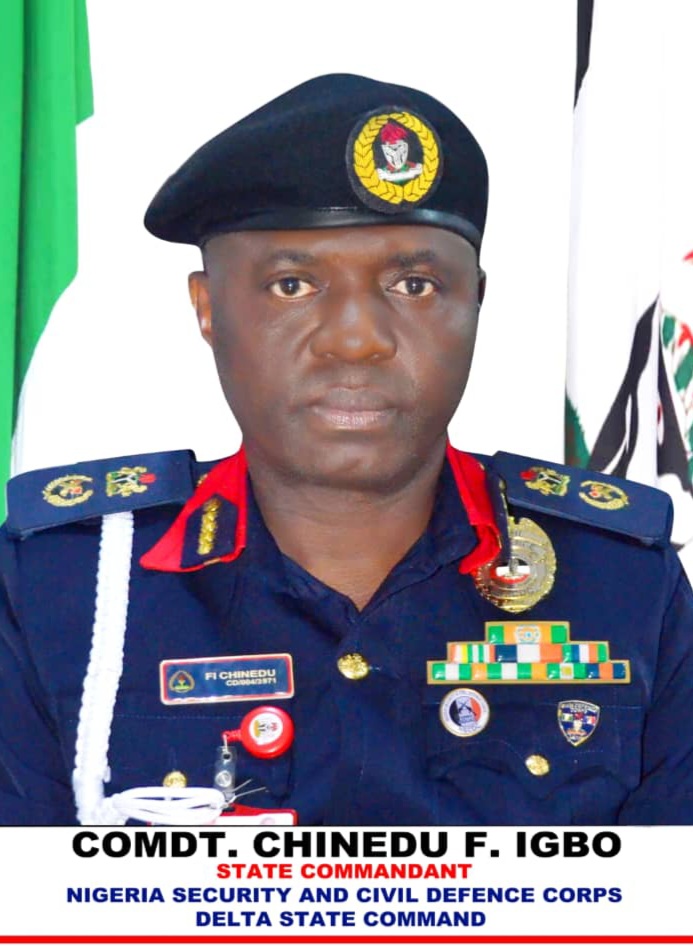
The first 100 days of Commandant Chinedu Igbo as Delta State Commandant of the Nigeria Security and Civil Defence Corps (NSCDC) have been defined by bold reforms, strengthened operations, and a revitalised culture of professionalism. His arrival infused fresh energy into the command and signalled a clear commitment to repositioning the NSCDC for efficiency and excellence.
From day one, Commandant Igbo prioritised capacity building. Recognising that the strength of any security organisation lies in the competence of its personnel, he immediately launched structured training programmes for officers across all units. The trainings covered intelligence gathering, operational tactics, conflict resolution, early-warning systems, and modern community-based security strategies. Within 100 days, more than 280 officers benefitted from these courses, including leadership development, arms-handling refreshers, and ethics workshops.
This new emphasis on training was matched with a renewed drive to enhance discipline and ethical conduct. Commandant Igbo introduced an ethical compliance monitoring system to ensure officers uphold professionalism, transparency, and accountability. Monthly performance reviews for unit heads have already reduced cases of misconduct, creating a healthier, more responsible work environment.
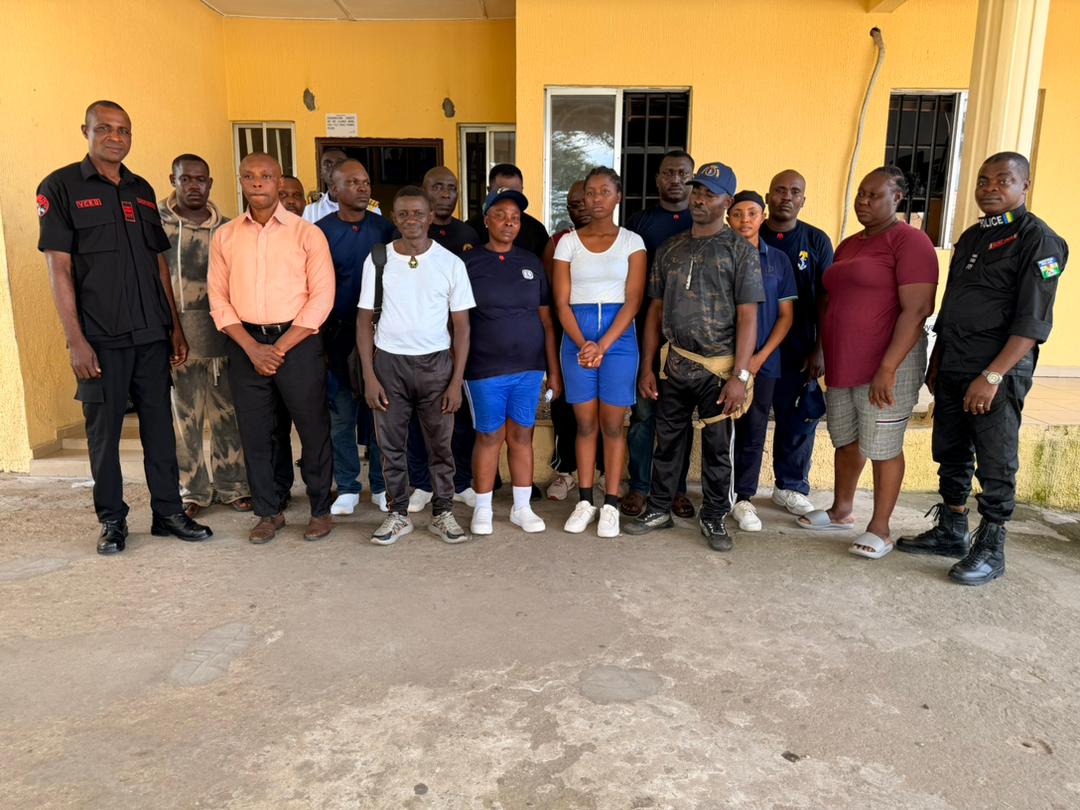
A major highlight of his leadership is the improvement in community engagement across Delta State. Acknowledging the importance of public trust in effective security operations, he introduced a community liaison framework aimed at strengthening cooperation between the Corps and residents. Under this initiative, the command organised multiple engagements with community leaders, youth groups, religious bodies, and civil society organisations. These interactions have fostered trust, boosted intelligence sharing, and encouraged stronger public participation in security efforts.
The enhanced public relations strategy has significantly improved the perception of the NSCDC. Many residents now describe the Corps as more responsive, approachable, and people-oriented. This trust is translating into timely intelligence flow and more effective incident response.
Commandant Igbo’s reforms also touched on physical assets and infrastructure. One of his first directives was a comprehensive audit of operational vehicles, equipment, and facilities. This assessment revealed neglected assets and grounded patrol vehicles. Through a recovery and maintenance initiative, five patrol vehicles were fully refurbished and returned to active service, thereby improving patrol coverage, response time, and the Corps’ visibility across the state.
Simultaneously, he increased surveillance over critical national assets. Officers were redeployed to strategic installations such as pipelines, power stations, communication towers, and government facilities. Enhanced reporting channels were also introduced to strengthen surveillance operations. These measures have already prevented multiple attempts at vandalism and sabotage.
Another major achievement within his 100 days is the improvement of inter-agency collaboration. Commandant Igbo built stronger relationships with the Nigerian Police Force, the Nigerian Army, DSS, Immigration, FRSC, and state-backed security outfits. Through joint patrols, shared intelligence, and coordinated operational planning, Delta State now enjoys a more unified and effective security network.
Throughout these reforms, Commandant Igbo has consistently expressed gratitude to the Commandant General of the NSCDC, Professor Ahmed Abubakar Audi (mni, OFR), whom he describes as a pillar of guidance and support. He credits the CG’s leadership vision as instrumental to the successes recorded so far.
As the command looks ahead, the achievements of these first 100 days provide a strong foundation for greater progress. The Delta State NSCDC is now more disciplined, more technically equipped, more community-focused, and better prepared to safeguard lives and protect critical infrastructure. Commandant Igbo’s early accomplishments have reshaped the command’s outlook and renewed public confidence in the Corps as a vital pillar of security in Delta State.