 Keji Mustapha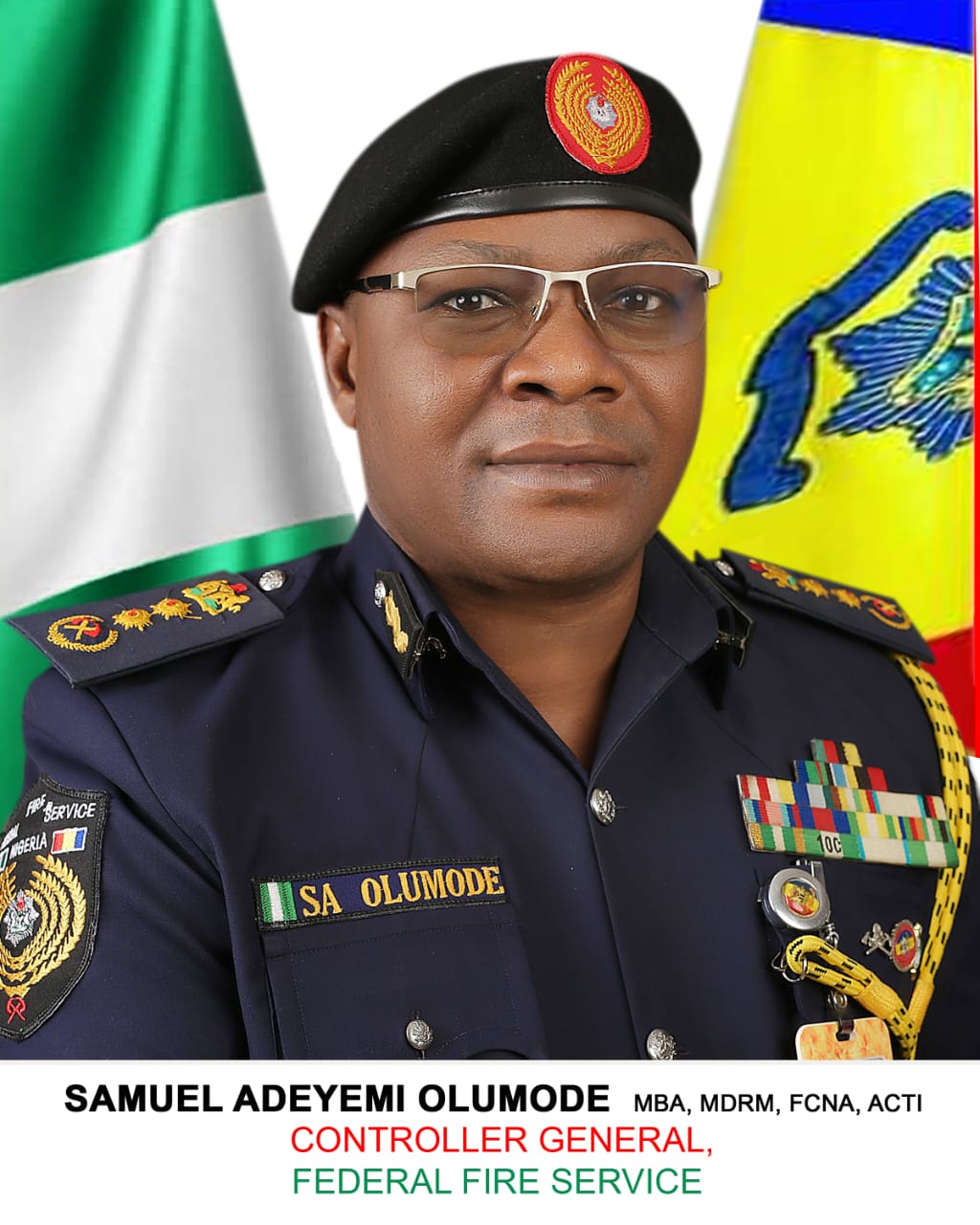
By Isiaka Mustapha, Editor-In-Chief, People’s Security Monitor
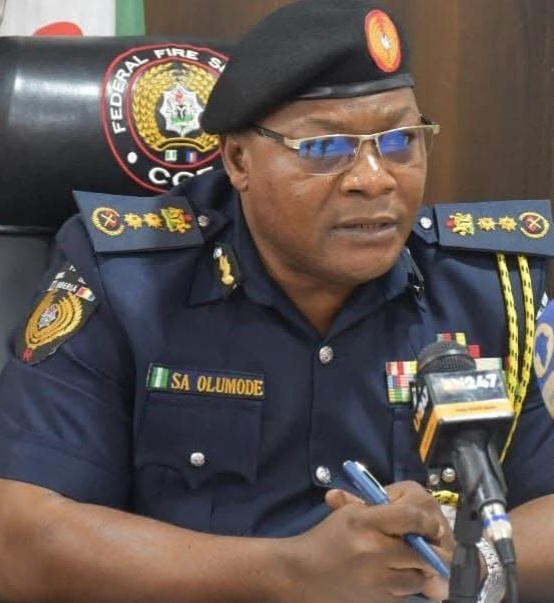
The appointment of Controller General Samuel Adeyemi Olumode to lead the Federal Fire Service has been received across the country with a wave of optimism, signaling what many Nigerians believe could be the long-awaited paradigm shift in the nation’s fire and disaster management system. For decades, the Federal Fire Service has struggled under the weight of inadequate funding, poor response times, obsolete equipment, and limited public confidence. In a country of over 220 million people, where urban growth, industrialisation, and infrastructural expansion increase the risk of fire and disaster emergencies, the need for reform and effective leadership could not be more urgent. Olumode’s emergence as the nation’s number one firefighter is therefore widely regarded as a turning point, one that could restore efficiency, professionalism, and above all, public trust.
Nigerians see in Olumode the rare combination of competence, discipline, and vision that can redefine the service. His professional background, built on years of technical expertise and administrative command within the fire service, positions him as a leader who understands both the challenges and the solutions. His reputation for discipline, accountability, and innovation precedes him, while his track record of improving operational readiness wherever he has served gives Nigerians confidence that his leadership will be both practical and reform-driven. President Bola Ahmed Tinubu’s choice of Adeyemi reflects a careful alignment between national priorities and tested talent. At a time when Nigerians are demanding visible results in public service delivery, Adeyemi has been entrusted with transforming a sector where failures cost lives, property, and economic opportunities.
The figures underscore the urgency of his assignment. Between 2015 and 2024, Nigeria recorded over 15,000 reported fire incidents nationwide, with losses estimated at over ₦2 trillion, according to data from the National Emergency Management Agency (NEMA) and the Federal Fire Service. Lagos alone recorded over 1,200 incidents in 2023, highlighting the strain on urban centers. Industrial fires, pipeline explosions, and residential infernos have exposed systemic weaknesses in response capacity, while insurance data show billions lost annually to preventable disasters. Nigerians have long agitated for a leader who can modernize fire response systems, build capacity, and ensure that the service is not just reactive but preventive, through community education, enforcement of safety regulations, and rapid intervention. Adeyemi is widely believed to embody that new vision.
The qualities that set Olumode apart are clear: he is people-focused, reform-oriented, and results-driven. Nigerians believe he has the capacity to professionalize the service through training and retraining, attract investment in modern equipment, and foster stronger collaboration with state fire services, private industries, and international partners. His appointment has raised hopes that the Federal Fire Service will not only increase its visibility in all 36 states and the FCT but also build the resilience needed to confront complex emergencies that threaten lives and critical national infrastructure. Under his leadership, many believe the days of underfunding excuses and operational inertia will give way to a new era of accountability and responsiveness.
Above all, Adeyemi’s appointment has been interpreted as a restoration of hope. Nigerians see in him not just a public officer but a symbol of change, someone who represents the government’s recognition of the urgent need for reform in fire and disaster management. In a climate where citizens have grown weary of unkept promises, his rise has inspired renewed faith that the Federal Fire Service can indeed become an institution of pride, professionalism, and effectiveness. By trusting Samuel Adeyemi Olumode with this critical responsibility, President Tinubu has echoed the people’s desire for transformative leadership. It is now up to Olumode to justify that confidence by delivering a service that saves lives, protects investments, and restores public trust in one of Nigeria’s most vital emergency institutions.