 Keji Mustapha
By Tunji Braimoh, Abuja
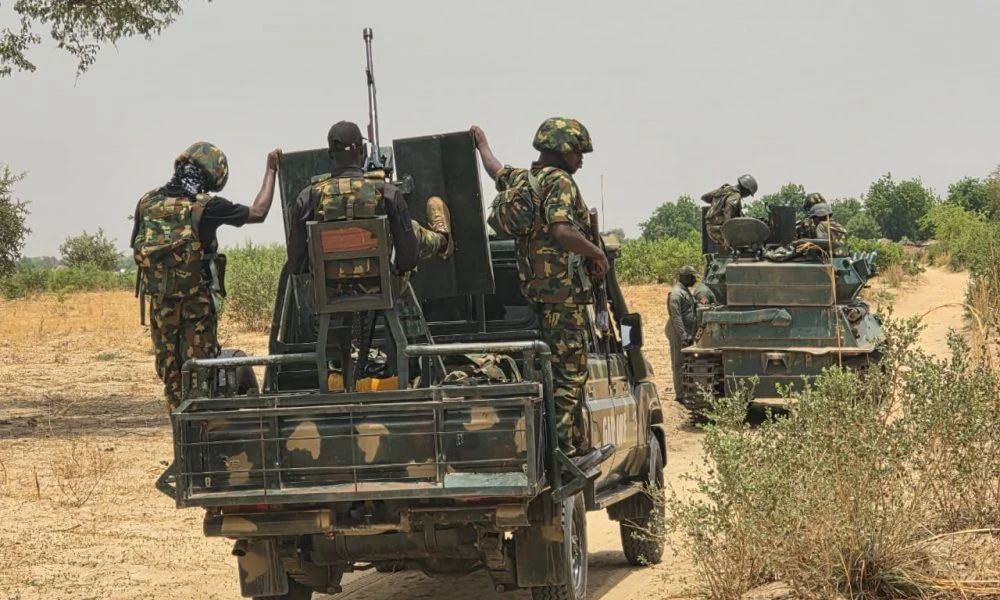
The Nigerian Army has graduated 1,182 Special Forces personnel from the 10th batch of its Advanced Infantry Training Programme, bolstering its capacity to combat terrorism, insurgency, banditry, kidnapping, and other security threats across the country.
The troops completed six months of intensive training under Exercise Restore Hope X at the Nigerian Army Training Centre in Kachia, Kaduna State. The programme is designed to enhance the Army’s operational readiness and strengthen ongoing counter-insurgency and counter-terrorism efforts.
Speaking during the graduation ceremony, the Chief of Army Staff, Lieutenant General Waidi Shaibu, described the training as a vital component of the Army’s professional development framework, aimed at producing highly skilled, resilient, and combat-ready soldiers capable of addressing emerging security challenges.
According to him, the programme equips personnel with the discipline, tactical expertise, and combat mindset required to operate effectively in increasingly complex security environments.
“The programme is designed to instil the warrior ethos, sharpen combat skills, and prepare our soldiers to confront emerging security threats,” Shaibu said.
The Army chief noted that the graduation coincided with ongoing efforts to expand and modernise the Nigerian Army following President Bola Tinubu’s approval for the establishment of additional divisions, formations, and units nationwide.
He explained that many of the newly trained troops would be deployed to strengthen these formations and enhance operational effectiveness across various theatres of operation.
Shaibu urged the graduates to justify the resources invested in their training by exhibiting professionalism, discipline, and sound judgment in the discharge of their duties.
“Our adversaries continue to evolve in tactics and sophistication. You must remain adaptable, innovative, physically fit, mentally alert, and technologically proficient to defeat them,” he told the troops.
He identified terrorism, insurgency, banditry, kidnapping, separatist agitations, and transnational organised crime as major threats confronting the nation and stressed the need for troops to remain vigilant and mission-focused.
The Army chief further reminded the graduates to uphold the rule of law, respect human rights, protect civilians, and adhere strictly to established rules of engagement during military operations.
“I charge you to remain morally upright and conduct yourselves in a manner that reflects the values of the Nigerian Army,” he added.
Shaibu also assured personnel of the Army’s continued commitment to improving training standards, welfare, and operational support, while encouraging newly selected instructors to carry out their responsibilities with dedication and professionalism.
Earlier, the Chief of Training (Army), Major General Valentine Okoro, described the graduation as another significant step in the Nigerian Army’s drive to build a highly skilled and combat-effective force.
Okoro said the six-month programme provided participants with advanced tactical competencies required for modern military operations and asymmetric warfare.
He noted that while the training programme initially benefited from the support of foreign partners, Nigerian instructors have successfully assumed full responsibility for its implementation and continuous improvement.
According to him, graduates of previous batches have distinguished themselves in various military operations nationwide, contributing significantly to efforts aimed at restoring peace and stability.
The trainees underwent rigorous instruction in tactical operations, marksmanship, weapons handling, fieldcraft, endurance training, combat medicine, leadership development, and counter-insurgency operations.
Okoro said the marked improvements in the troops’ physical fitness, tactical competence, confidence, and decision-making abilities underscored the effectiveness of the programme.
He added that Exercise Restore Hope has evolved into the Nigerian Army’s flagship counter-insurgency and counter-terrorism training model and has been adopted across training depots and tactical training centres nationwide.
The training commander further disclosed that the Chief of Army Staff had approved the award of Basic Infantry Course certificates and trade certifications to the graduates, while lessons learned from the latest exercise would be integrated into future training curricula.
The ceremony concluded with practical demonstrations showcasing the combat skills, tactical proficiency, and operational readiness acquired by the Special Forces personnel during the six-month exercise.