
 Keji Mustapha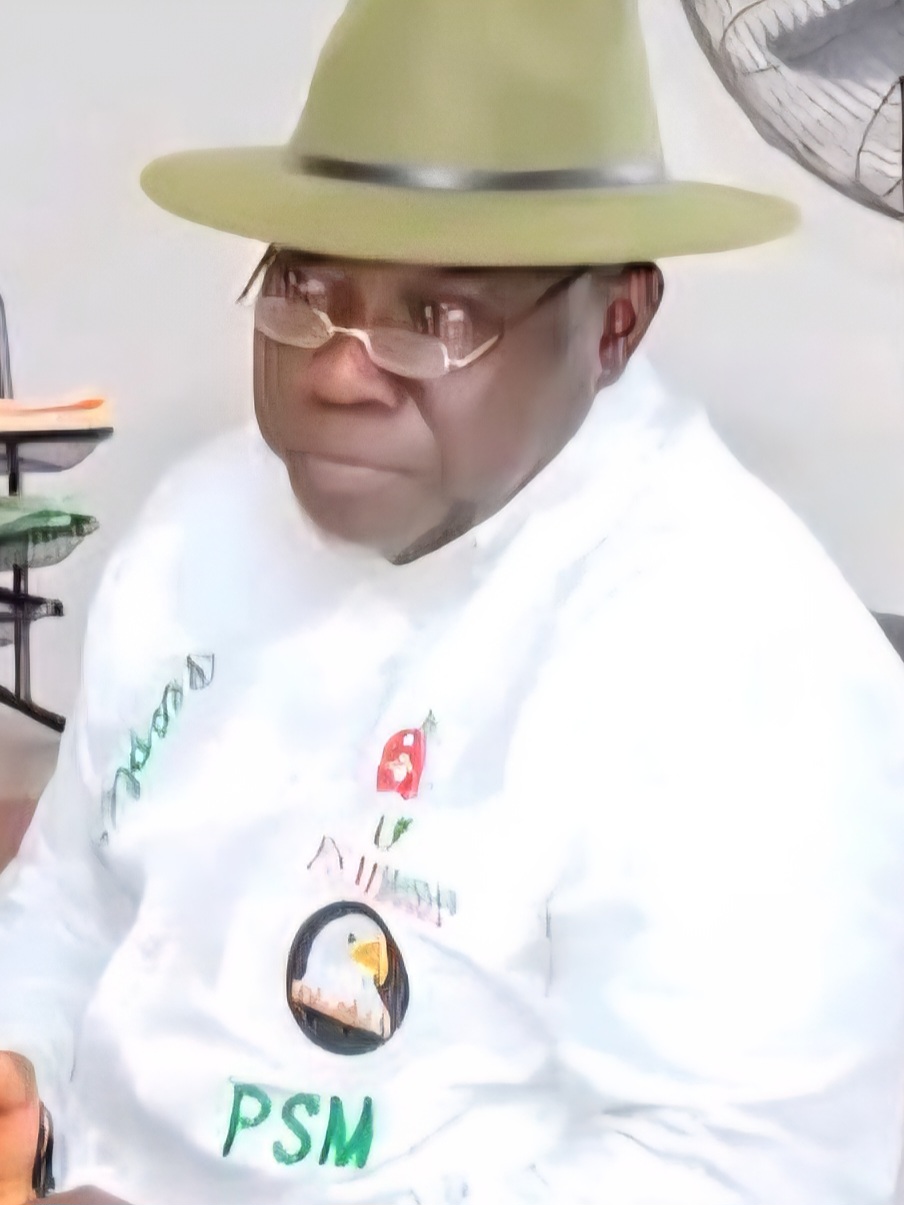
By Isiaka Mustapha,
Editor-in-Chief, People’s Security Monitor
Renowned journalist and publisher, Dele Momodu, recently stirred national debate when he alleged that the ruling All Progressives Congress (APC) considers the forthcoming Osun State governorship election a “dress rehearsal” for the 2027 general election and may stop at nothing to secure victory in the August 15 poll. Momodu further warned that the election could serve as a testing ground for political strategies ahead of the next presidential election. Whether viewed as political rhetoric or a genuine warning, his statement has intensified public scrutiny of the security architecture being assembled for the governorship election. More importantly, it has revived a longstanding concern in Nigeria’s electoral process: the possibility that security operatives, rather than voters, could ultimately determine who emerges as governor of Osun State.
The concern is not entirely unfounded. Across several electoral cycles in Nigeria, allegations of partisan security conduct have frequently overshadowed the actual voting process. While the Independent National Electoral Commission (INEC) is constitutionally empowered to conduct elections, the practical reality is that security agencies often wield enormous influence over the environment in which elections are conducted. Their actions before, during and after voting can either protect democracy or undermine it.
What makes the Osun election particularly sensitive is the fact that a substantial proportion of the security personnel expected to supervise the exercise have reportedly been drawn from federal commands and formations. While such deployments fall within established security procedures, critics argue that the overwhelming presence of operatives under federal control raises legitimate questions about impartiality, especially in an election involving the party that controls the Federal Government.
The greatest danger facing the election may therefore not be ballot box snatching or logistical failures, but the possibility of security agencies abandoning their constitutional neutrality. Once security personnel begin to act in a manner that favours one political interest over another, the election ceases to be a contest of votes and becomes a contest of state power. Under such circumstances, the electorate may vote, but the outcome could be shaped elsewhere.
Nigeria’s electoral history offers several examples that continue to fuel public suspicion. During the 2014 governorship election in Ekiti State, opposition leaders accused security agencies of restricting political activities and limiting the movement of prominent political actors. Similar allegations emerged during the controversial 2018 Osun governorship election, where the rerun poll that eventually determined the winner became one of the most disputed electoral exercises in the state’s history. The controversy surrounding the election remains part of Nigeria’s electoral discourse today.
One of the most potent weapons available to biased security operatives is voter intimidation. The deployment of heavily armed personnel to strategic polling units can create an atmosphere of fear and uncertainty. Where voters perceive security officers as sympathetic to a particular political interest, many may simply avoid polling centres altogether. Such silent suppression of voter participation can significantly alter election outcomes without a single ballot being tampered with.
Equally dangerous is the possibility of selective law enforcement. Electoral offences such as vote buying, voter inducement and political violence often occur in plain sight. However, when security personnel choose to enforce the law against one political group while overlooking violations committed by another, they effectively become participants in the electoral contest. Such conduct destroys public confidence in the credibility of the process.
Political thuggery remains another major threat. Organised groups have historically been used to intimidate voters, disrupt polling units and create confusion during elections. If security agencies fail to arrest known offenders or deliberately ignore criminal activities committed by politically connected actors, they inadvertently become enablers of electoral misconduct. The line between negligence and complicity becomes increasingly blurred.
The role of security agencies during result collation is perhaps even more critical than their conduct at polling units. Many of Nigeria’s most controversial elections have been marred by disputes arising during collation rather than voting. Security operatives who restrict access to collation centres, harass party agents or create barriers to transparency can compromise the integrity of the entire process.
Particular attention must also be paid to the announcement of results. Electoral history in Nigeria has shown that prolonged delays between voting and the declaration of results often generate suspicion and political tension. In tightly contested elections, unexplained delays can fuel allegations that forces outside the electoral process are attempting to influence the final outcome. If the Osun election experiences unusual delays in the announcement of results, many observers may interpret such developments through the lens of existing fears about security interference.
Beyond electoral manipulation, outright criminal activities could further undermine the process. Vote buying syndicates, ballot snatchers, political thugs and violent gangs thrive in environments where law enforcement is weak or selectively applied. Should security agencies fail to confront these threats impartially, the election could be reduced to a struggle between criminal actors and vulnerable voters.
The implications of any perceived security bias would be enormous. A disputed election outcome could trigger widespread protests, legal battles and prolonged political instability. Political parties that believe they were denied a fair contest are unlikely to accept defeat without challenge. Such developments would not only damage Osun’s democratic credentials but also deepen public distrust of national institutions.
The stakes extend far beyond Osun State. As one of the last major governorship elections before the 2027 general election, the poll will be closely monitored across Nigeria. Political parties, civil society organisations, election observers and the international community will view the conduct of security agencies as an important indicator of what may lie ahead in future elections.
Momodu recently argued that the political atmosphere surrounding the Osun election already resembles a battlefield rather than a democratic contest, citing the deployment of security personnel and rising political tension in the state. Whether one agrees with his assessment or not, the growing anxiety among stakeholders underscores the importance of security neutrality in preserving electoral credibility.
Ultimately, the credibility of the August 15 governorship election will depend largely on whether security operatives choose professionalism over partisanship. Their constitutional duty is to protect the ballot, not influence it; to defend voters, not intimidate them; and to uphold the law, not selectively apply it. If they discharge these responsibilities impartially, the people of Osun will determine their next governor. If they fail, Dele Momodu’s warning about a political “dress rehearsal” may acquire significance far beyond the borders of Osun State, and security operatives, not voters, may emerge as the decisive force in choosing the state’s next governor.