 Keji Mustapha
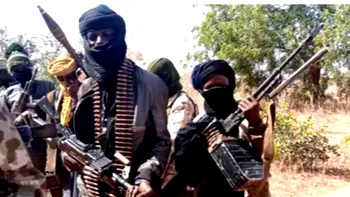
Amid rising terrorist attacks in parts of the country, particularly in the North East, the Nigeria Sanctions Committee (NSC) has released an updated list of individuals and entities allegedly linked to the financing and facilitation of Boko Haram activities, alongside directives for the immediate seizure and freezing of related assets.
The updated list, published through the Nigeria Sanctions Committee and Nigeria Sanctions Board (NIGSAC) records, includes several individuals and business entities said to have provided financial, logistical, or operational support to terrorist networks.
According to official documents, the individuals listed are alleged to have played various roles in supporting Boko Haram operations through funding or facilitation. The names released include Abdulsamat Ohida, Mohammed Sani, Abdurrahaman Abdurrahaman, Fatima Ishaq, Tukur Mamu, Yusuf Ghazali, Muhammad Sani, Abubakar Muhammad, and others, bringing the total to dozens of persons identified in the designation.
The list also includes additional names such as Sahabi Ismail, Mohammed Buba, Adamu Hassan, Usman Abubakar, Simon Njoku, Godstime Iyare, Francis Mmaduabuchi, and several others, who are accused of involvement in financial or logistical networks connected to insurgent groups.
Furthermore, the NSC designated several organizations and companies, mostly Bureau De Change operators and trading firms, suspected of money laundering and terror financing activities. These include West and East Africa General Trading Co. Ltd, Settings Bureau De Change Ltd, Desert Exchange Ventures Limited, Alfa Exchange BDC, and others allegedly linked to illicit financial flows.
The sanctions were imposed under the Terrorism (Prevention and Prohibition) Act, 2022, which empowers authorities to freeze assets and restrict access to financial resources of individuals and entities designated for terrorism-related offences without prior notice.
Reports indicate that parts of the list were developed through coordinated intelligence sharing between Nigerian authorities and international partners, including agencies in the United States and the United Arab Emirates, with particular attention to a suspected Dubai-based financial network allegedly responsible for transferring significant sums to Boko Haram.
Following the development, the Federal Government has directed all financial institutions and relevant non-financial businesses to immediately identify and freeze accounts linked to the designated individuals and entities, as part of ongoing efforts to disrupt terror financing channels and strengthen national security operations.