 Keji Mustapha
By Isiaka Mustapha, CEO/Editor-In-Chief, People’s Security Monitor
Nigeria’s railway system, once celebrated as a symbol of renewed national progress, is today facing existential threats from the combined forces of criminality, sabotage, and community complicity. The recent head-on-collision, which investigators have linked to the deliberate vandalisation of signalling equipment, is not just a tragic incident; it is a grim reminder that railway insecurity in Nigeria is no longer accidental but has become deeply entrenched, systemic, and coordinated. Far from being the work of isolated criminals, these crimes thrive because many host communities along railway corridors either actively connive with perpetrators or passively shield them from accountability.
The Nigerian Railway Corporation (NRC) has spent heavily to modernize rail transport, investing over $8.3 billion in loans and governmentbetween 2025 and 2023 to revive strategic routes such as the Lagos–Ibadan, Abuja–Kaduna, and Warri–Itakpe lines. These projects were intended to decongest highways, promote safer travel, and boost trade. But instead of enjoying the full benefits of this investment, passengers and operators are increasingly confronted with violence, theft, and vandalisation that undermine both safety and economic viability.
Railway crimes are not random acts of desperation. They are highly coordinated, with specific criminal networks embedded in nearby villages. These settlements, often located just a few meters away from railway tracks, have become staging grounds for kidnapping gangs, sabotage units, and vandalisation cartels. For example, between 2021 and 2023, the NRC recorded more than 45 major cases of vandalized tracks, stolen signalling cables, and delibrate obstructions on rail lines. Security agencies consistently note that these activities could not take place without the awareness or outright participation of the locals living closest to the infrastructure.
The 2022 Abuja-Kaduna train attack remains the most brutal example. Eight people were killed, dozens injured, and over 60 passengers kidnapped, many held hostage for months. Intelligence later revealed that locals in surrounding villages acted as guides, informants, and shelter providers for the attackers. This mirrors a disturbing trend: the very communities that should benefit from rail services sometimes facilitate the dangers that derail them.
The recent head-on-collision accident, which should have been impossible under a functioning automated signalling system, is now widely believed to be an act of sabotage. Tampering with or vandalising signalling cables, removing track bolts, or deliberately damaging communication systems are not random acts. These are calculated efforts to cause chaos, instill fear, and undermine public confidence in rail transport. Investigations suggest that the accident occurred in an area surrounded by rural communities, reinforcing suspicions that such a scale of vandalisation could not have been executed without complicity at the local level. The deliberate destruction of equipment, which cost millions of naira to install, represents both a security breach and economic sabotage.
The economic cost is staggering. According to NRC data, revenue losses due to vandalisation, accidents, and reduced ridership after attacks exceeded N10 billion between 2022 and 2023 alone. The Abuja–Kaduna line, which once generated up to N300 million monthly, saw ridership drop by over 40% after the 2022 attack. Repairing vandalised infrastructure costs billions annually. For example, in 2021, the NRC spent more than N3 billion replacing stolen or destroyed track materials, cables, and equipment. These resources, which could have expanded services or reduced ticket costs, are instead wasted repairing deliberate acts of sabotage.
But the financial impact is only one dimension. The social cost is even greater. Passengers, who once saw train travel as a safer alternative to Nigeria’s bandit-infested highways, now hesitate to board. Fear of abduction, sabotage-induced accidents, or deadly collisions has eroded public confidence. Railway workers themselves face increasing threats, with reports of staff assaulted, abducted, or killed in the line of duty. Communities meant to prosper from increased trade and mobility now live under suspicion, as their villages become associated with sabotage and criminality.
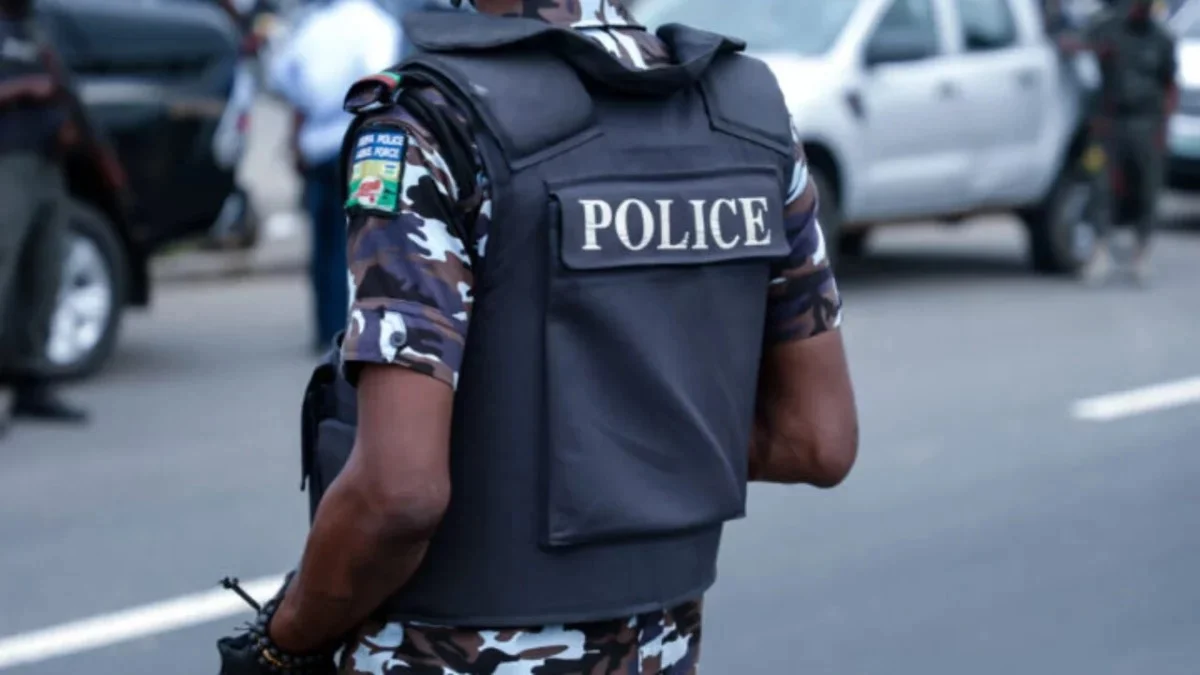
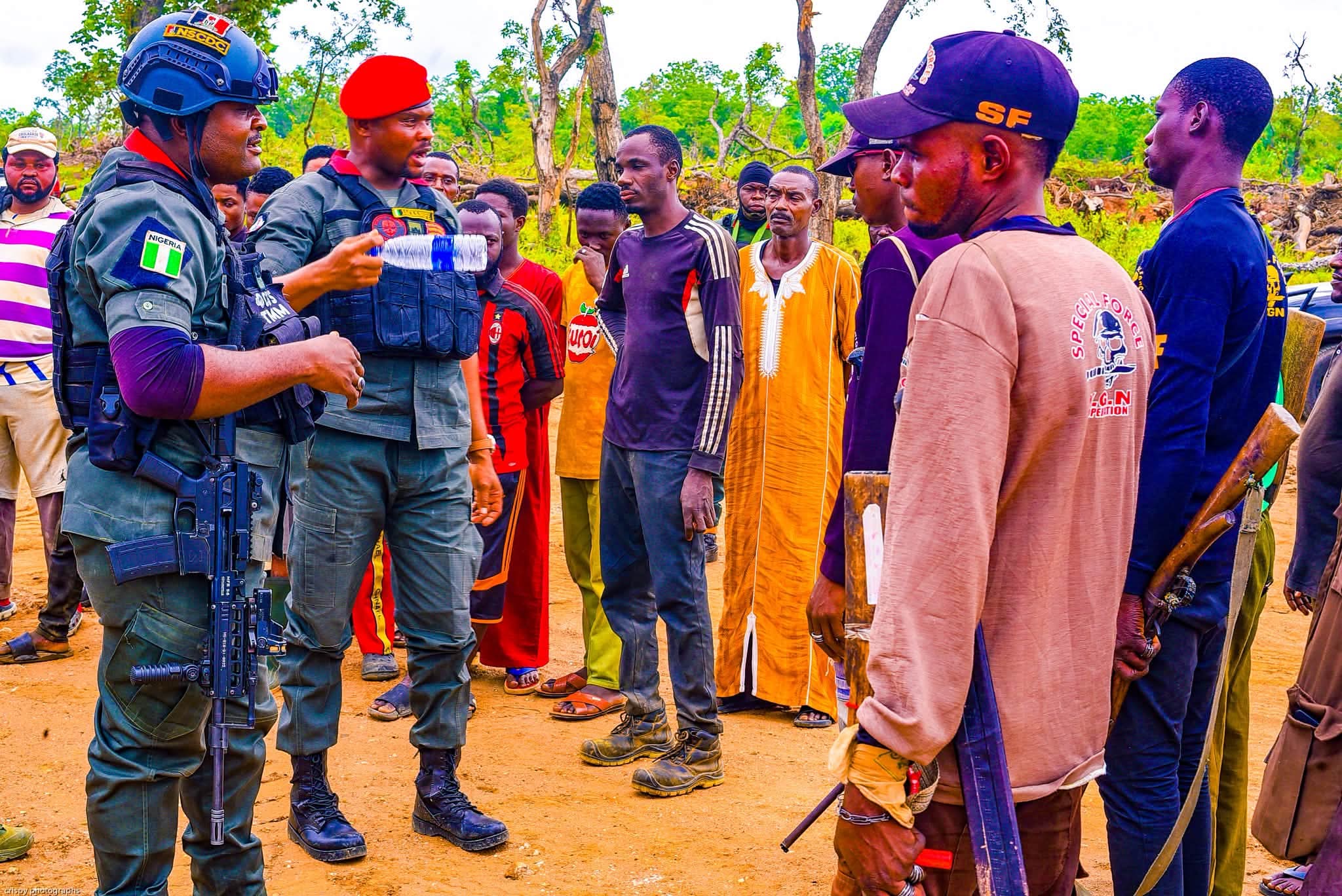
This crisis underscores an urgent need for a paradigm shift in railway security. Mere deployment of soldiers or police to patrol tracks is no longer sufficient. If the NRC is truly committed to running a secure and sustainable rail system, then profiling nearby villages and their inhabitants is inevitable. Security agencies must establish intelligence databases that identify individuals and groups with histories of vandalisation, sabotage, or criminal collaboration. This should not translate into indiscriminate harassment of innocent villagers but rather targeted intelligence-led profiling that distinguishes legitimate residents from criminal collaborators. Host communities that consistently harbour criminals must face real consequences whether through sanctions, exclusion from certain development projects, or full-scale military-police operations.
At the same time, the Nigerian Railway Corporation must embrace state-of-the-art surveillance technologies to monitor the vast corridors it operates. In India, for instance, the railways employ over 500 drones for real-time surveillance of high-risk zones. In South Africa, AI-enabled cameras and track sensors immediately alert authorities to suspicious activities. Nigeria must follow suit. Drones, night-vision CCTV cameras, motion sensors, and integrated control centres should be deployed to cover every kilometre of rail lines, particularly those passing through vulnerable villages. With today’s technology, even the removal of a single bolt from a track can trigger an alarm in a command centre.
These technologies must be combined with smarter community engagement. Villagers who report suspicious activities should be incentivized, perhaps through reward systems or community development benefits. Conversely, communities that harbour criminals should be denied privileges until they cooperate with authorities. Without accountability at the community level, sabotage and vandalisation will continue unchecked.
The recent railway accident, far from being dismissed as mere human error, must be treated as a wake-up call. It was not just an unfortunate mishap; it was a likely act of deliberate sabotage designed to cause loss of life and discredit Nigeria’s railway revival. Allowing such acts to go unpunished will embolden criminals and their collaborators, ensuring more tragedies in the future.
Nigeria’s rail system is too important to fail. It is central to decongesting highways, promoting safer passenger movement, enhancing trade, and connecting distant regions. Yet its survival depends on whether authorities can decisively confront the dual threats of sabotage and community complicity. Profiling villages, punishing collaborators, investing in state-of-the-art surveillance, and treating sabotage as terrorism are not optional—they are the only way forward. Unless this is done, billions in investment will continue to be wasted, passengers will continue to live in fear, and Nigeria’s railways will remain a dangerous gamble rather than the secure backbone of national transportation.