 Keji Mustapha
By Isiaka Mustapha, Editor-in-Chief, People’s Security Monitor
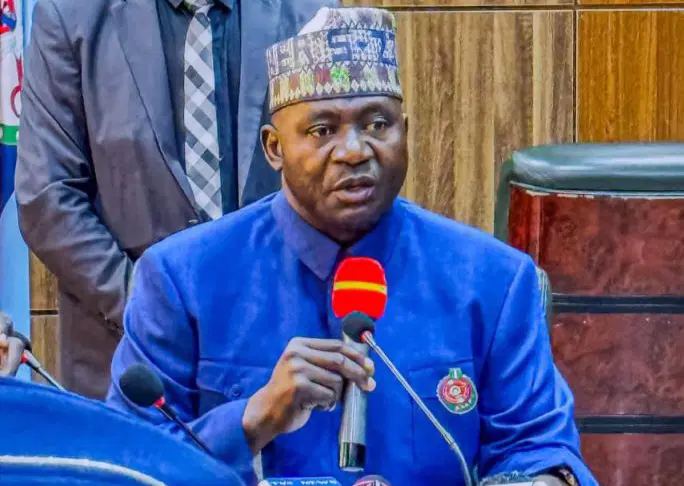
The Minister of Defence, Gen. Christopher Musa (retd.), has attributed some of the difficulties faced by security forces in rescuing victims of terrorism and kidnapping to the vast size and challenging terrain of forested areas used as hideouts by criminal groups.
Musa made the disclosure during an interview on Channels Television’s Politics Today, where he discussed the Federal Government’s ongoing efforts to combat terrorism, banditry and kidnapping across the country.
According to the minister, security agencies have continued to rescue abducted Nigerians through intelligence-driven operations, but terrorists and kidnappers often exploit Nigeria’s extensive forest terrain to evade troops and move their victims before security forces can establish their precise locations.
Musa specifically described Sambisa Forest as being comparable in size to Belgium, stressing that its vastness makes rapid search-and-rescue operations particularly challenging. He explained that security forces are frequently required to deploy surveillance, intelligence gathering and tactical containment strategies before moving in to rescue hostages.
The Defence Minister said terrorists often disappear into forested areas shortly after carrying out attacks or kidnappings, sometimes before security agencies receive accurate information about the incident. He added that security forces therefore have to cut off escape routes and restrict the movement of the perpetrators before attempting to reach the victims.
Musa cited a recent operation in Kwara State in which security forces reportedly rescued kidnapped victims after restricting the movement of their abductors. He explained that troops sometimes have to deny criminal groups access to their established routes and sources of support before a successful rescue operation can be achieved.
The minister also disclosed that security agencies were paying increasing attention to the financial networks associated with kidnapping and other criminal activities. He said ransom payments could provide valuable intelligence for tracing criminal networks, while the Central Bank of Nigeria was involved in efforts to monitor suspicious financial transactions linked to illicit activities.
Musa further urged state governors to exercise caution when distributing motorcycles as palliatives, warning that some of the motorcycles could be diverted into the hands of terrorists and other criminal elements, potentially enhancing their mobility and operational capabilities.
He maintained that despite the enormous geographical challenges posed by Nigeria’s forests and difficult terrain, security agencies were recording progress in the fight against terrorism and kidnapping, with intelligence-led operations continuing to play a critical role in rescuing victims and disrupting criminal networks.