 Keji Mustapha
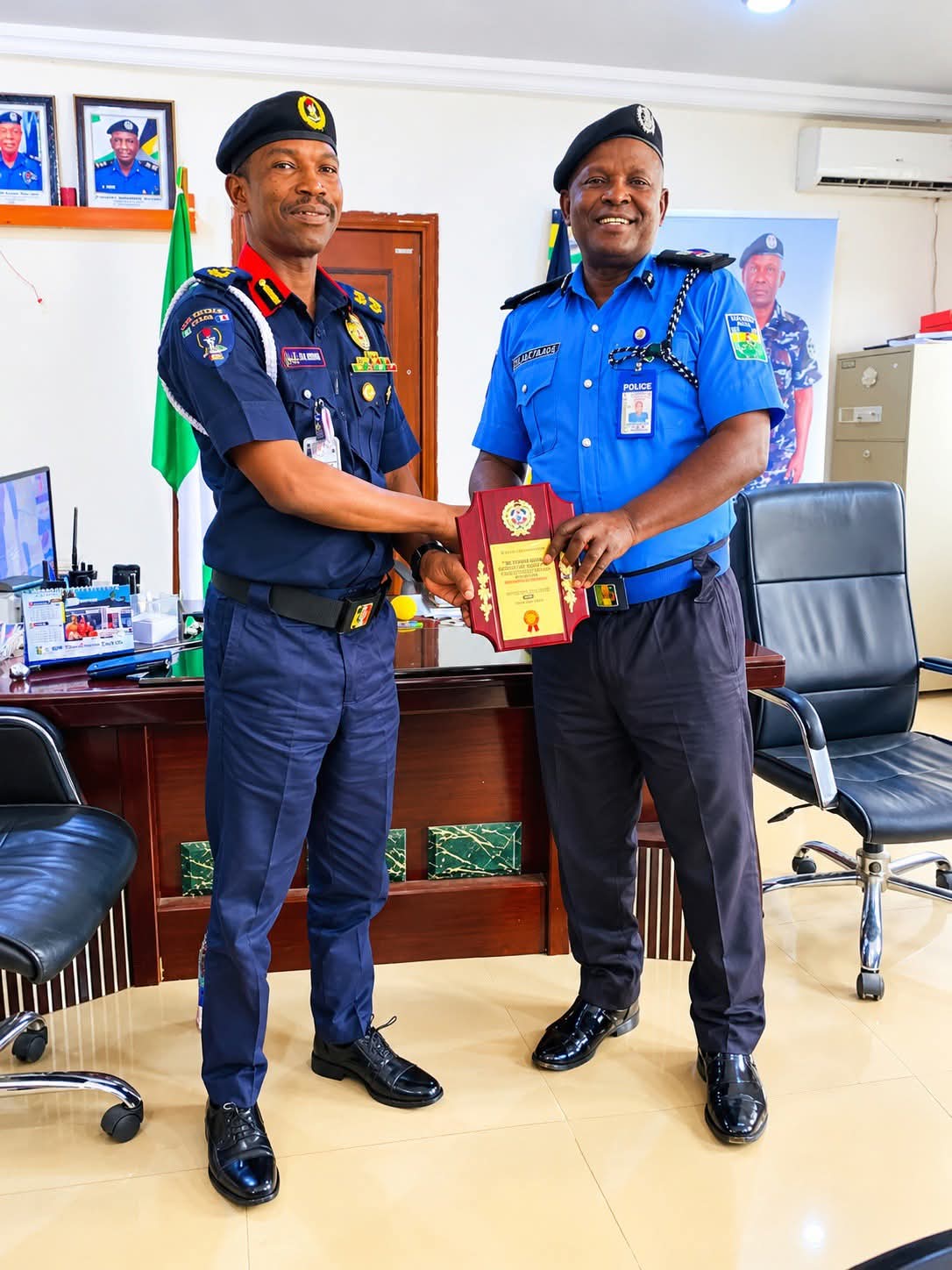
Pix: ACC John Onoja Attah, Commander, NSCDCMining Marshal.
By Isiaka Mustapha, Editor-In-Chief, People’s Security Monitor
Plateau State, once celebrated for its rich mineral deposits and strategic importance in Nigeria’s mining history, is today confronted by a crisis that threatens its social fabric, security architecture, and economic future. Across Jos and its surrounding communities, illegal mining has evolved from an isolated criminal enterprise into a vast underground economy that appears to operate beyond effective state control. The consequences are evident in environmental degradation, rising insecurity, fatal accidents, and the growing involvement of vulnerable youths in dangerous mining activities.
At the heart of the crisis are persistent concerns about corruption and weak enforcement mechanisms. Many residents and stakeholders have repeatedly questioned how large-scale illegal mining operations continue to flourish despite the visible presence of multiple security agencies and regulatory institutions. The ability of illegal miners to return to sites shortly after raids has fuelled public suspicion that some elements within the enforcement system may be compromised, although such allegations require thorough investigation and proof.
The scale of illegal mining in Plateau State raises fundamental questions about accountability. Excavation sites emerge openly in remote villages and even in areas known to authorities. Heavy machinery is moved across communities, minerals are transported through established routes, and buyers continue to access illegally mined products. Such activities are difficult to reconcile with the presence of agencies mandated to regulate and secure mining operations.
Security personnel assigned to combat illegal mining often operate under difficult conditions. However, concerns persist that some enforcement efforts are undermined by corruption, collusion, or inadequate supervision. Whether through the exchange of illicit payments, selective enforcement, or deliberate neglect of duty, public confidence has been weakened by the perception that enforcement actions are inconsistent and frequently ineffective.
The situation has become particularly troubling because illegal mining is no longer limited to organised criminal syndicates. Across many communities, unemployed youths increasingly view illegal mining as one of the few available means of survival. In areas where poverty, joblessness, and limited economic opportunities persist, mineral-rich lands have become informal employment centres attracting thousands of young people.
Even more alarming is the reported participation of underage individuals in illegal mining activities. Children who should be in classrooms are instead found around excavation pits, exposed to hazardous working conditions, environmental toxins, and the constant threat of cave-ins. The long-term consequences for education, health, and social development are profound and potentially devastating.
The transformation of illegal mining into a livelihood strategy reflects broader governance failures. When communities perceive that mineral resources are generating wealth for a few while leaving local populations impoverished, illegal participation becomes normalised. What begins as economic desperation gradually evolves into a culture of acceptance, making enforcement increasingly difficult.
Particular attention has been directed towards the capacity of specialised enforcement units tasked with addressing mining-related crimes. The number of personnel dedicated to monitoring vast mining territories appears grossly inadequate when compared to the sheer scale of illegal operations. Hundreds of mining locations scattered across difficult terrain cannot realistically be monitored by a relatively small contingent of officers.
This manpower challenge has serious implications. Enforcement teams are often expected to cover extensive geographical areas with limited logistical support, insufficient equipment, and constrained operational budgets. Under such circumstances, sustained monitoring becomes nearly impossible, creating opportunities for illegal operators to continue their activities with minimal disruption.
Questions have also been raised regarding discipline and operational effectiveness among some personnel deployed to mining areas. Observers have argued that prolonged exposure to lucrative illegal mining networks can create environments where authority structures become weakened and operational objectives are compromised. Such concerns underscore the need for stronger oversight mechanisms and accountability systems.
The reality on the ground suggests that illegal mining networks often possess significant financial resources and local influence. These networks can mobilise labour quickly, maintain intelligence on enforcement movements, and resume operations almost immediately after enforcement actions. This adaptability has made the fight against illegal mining exceptionally difficult.
Many communities now view enforcement operations with scepticism because raids are frequently followed by the rapid return of illegal miners. This recurring cycle has created a perception that enforcement efforts are reactive rather than strategic. Without sustained prosecutions and dismantling of criminal networks, temporary site closures achieve little lasting impact.
The human cost continues to mount. Fatal accidents, mine collapses, drowning incidents, and violent disputes have become recurring features of the illegal mining landscape. Families lose breadwinners, communities suffer economic setbacks, and victims are often forgotten shortly after tragedies occur. The statistics may never fully capture the extent of the suffering.
Environmental destruction presents another dimension of the crisis. Farmlands are excavated, water sources polluted, and once-productive landscapes transformed into dangerous wastelands. Future generations may inherit environmental damage that will require decades and enormous resources to reverse.
Perhaps the most disturbing aspect of the crisis is the gradual erosion of state authority. When illegal activities become more organised than regulatory responses, public confidence in institutions begins to decline. Communities start relying on informal arrangements rather than lawful processes, creating fertile ground for further criminality and instability.
Many observers now describe the situation using a popular expression: if you cannot defeat them, you join them. While this phrase reflects public frustration rather than established reality, it captures a widespread perception that illegal mining networks have become so entrenched that some individuals view resistance as futile. Such sentiments are dangerous because they normalise lawlessness and undermine efforts at reform.
The future of Plateau State’s mining sector depends on decisive action. Stronger oversight, increased manpower, better equipment, transparent investigations into allegations of corruption, community engagement, youth employment programmes, and rigorous prosecution of offenders are essential. Without comprehensive reforms, illegal mining will continue to expand, institutional weaknesses will deepen, and the casualties both human and environmental will continue to rise.