
 Keji Mustapha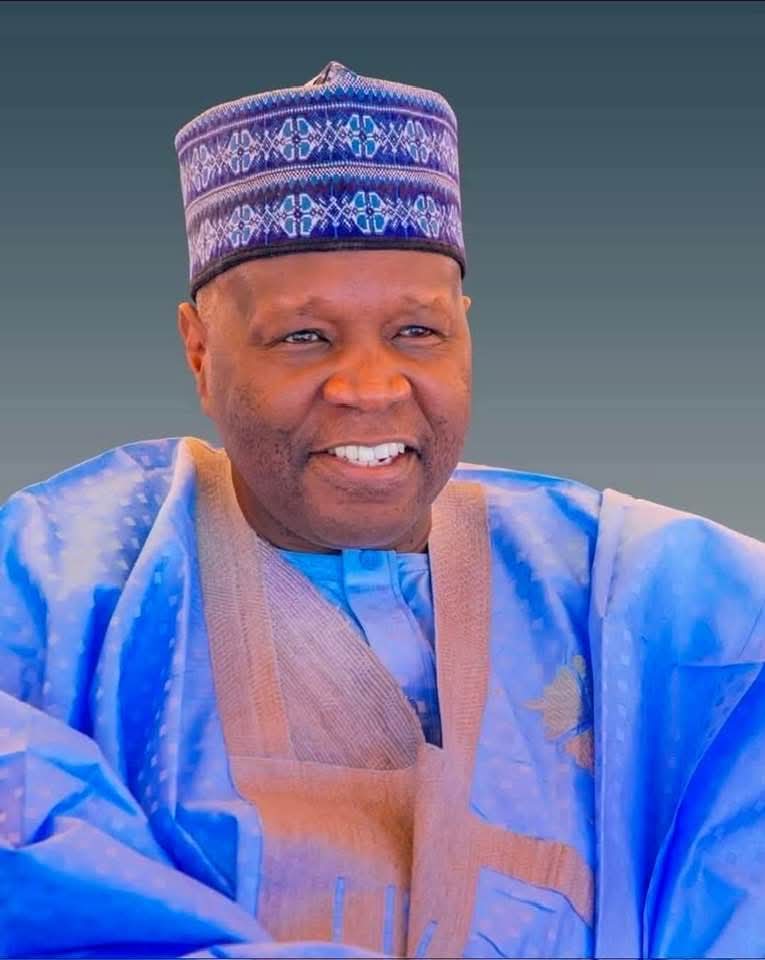
Pix: Gov. Yahaya
By Kassim Omomia
Every worthwhile endeavour carries intrinsic value. Efforts that produce meaningful impact, advance human welfare, and translate into positive outcomes are consistently recognised and deserving of commendation.
In democratic governance, politics serves as a vital instrument for advancing the principle of government of the people, by the people, and for the people.
This is because, when politics is understood as a structured process and practised within established rules, it becomes a mechanism that fosters democratic values, accountability, and transparency for the benefit of society.
However, a recurring question remains: to what extent are these democratic ideals upheld in accordance with the rule of law that underpins democratic practice? At what levels, whether national, sub national, or municipal, do citizens genuinely experience the dividends of good and transparent governance?
Nevertheless, the promotion of democracy through accountability is evident across different levels, as there are measurable and verifiable indicators through which impact and governance performance can be assessed.
Just like the media, there are also pressure groups and advocacy practitioners who, through critical and objective perspectives, assess governments and governance styles across Nigeria. From local government chairmen to legislators, governors, and the presidency, their actions, achievements, speeches, and outcomes are closely scrutinised and documented. These assessments often translate into commendations, and at other times criticism or condemnation, aimed at encouraging reform and improvement.
In Gombe State, the political leadership of Governor Muhammadu Inuwa Yahaya, CON, Dan Majen Gombe, is widely described as inclusive, people centred, and welfare oriented. These governance outcomes reflect a leadership style perceived as humane and exemplary, often evaluated through performance metrics akin to a strong academic grade. Indeed, politics in this context is increasingly regarded as a measure of success or failure based on deliverables.
Politics, much like an examination, is expected to be conducted in line with established rules, notwithstanding occasional challenges. In Gombe State, it is argued that governance processes have largely been conducted within regulatory frameworks. The administration is frequently described as having operated over nearly eight years without major scandals or institutional indictments, with emphasis placed on accountability, discipline, and transparency as guiding principles of governance.
As Chairman of the Northern Governors Forum, Governor Inuwa Yahaya has also been credited with demonstrating leadership maturity and a commitment to national cohesion during critical moments in Nigeria’s development, particularly in addressing security challenges affecting parts of the country.
Over the course of the administration, various achievements have been recorded across multiple sectors, alongside numerous recognitions and awards. These span security, infrastructure development, agriculture, healthcare, education, urban renewal, erosion control, and human capital development. A central theme consistently highlighted is improved security and stability, regarded as a foundation for socio economic activity and public welfare.
The scale of these developments is frequently described as extensive and visible across the state. In the words attributed to Hon. Patrick Obayagbon, such projects are “audible to the deaf and visible to the blind,” reflecting their perceived physical presence and impact.
Gombe State, often described as a relatively stable state in the North East region, has also received recognition for security performance. The state has, in successive years, been acknowledged by the Peoples Security Monitor as one of the most secure states in Nigeria, an assessment attributed to improvements in crime prevention, public safety, and security coordination.
In the 2026 edition of the award, Gombe State again received recognition, with Governor Inuwa Yahaya honoured for leadership in security management. The recognition was presented in acknowledgement of efforts directed at strengthening public safety architecture and institutional coordination.
The administration’s approach to security has been linked to intelligence driven operations and inter agency collaboration, which observers credit with contributing to improved law and order. This has also been associated with increased public confidence and a more stable environment for economic activity.
In addition, emphasis has been placed on social cohesion and peaceful coexistence among diverse ethnic and religious groups within the state. This inclusive approach is widely viewed as contributing to sustained harmony and improved development outcomes.
The state’s security strategy is often described as resting on key pillars, including collaboration among security agencies and communities, adherence to the rule of law and human rights principles, investment in technology driven security systems, provision of logistics support to security institutions, and strengthened accountability in security related expenditures.
These measures are frequently cited as contributing factors to the state’s relative stability and are sometimes referenced as a model for adaptation in other parts of the country facing security challenges.
The government has also been noted for sustaining collaboration with federal security institutions and community based structures, with the broader objective of safeguarding lives, property, and critical infrastructure.
Gombe State continues to be regarded as one of the more peaceful and secure states in its region, with corresponding implications for investment confidence and ease of doing business.
According to officials, these outcomes are the result of deliberate, structured, and data informed governance strategies under the leadership of Governor Muhammadu Inuwa Yahaya.
Representation at national events has also reinforced the state’s position, with government representatives highlighting continued commitment to peace building, security cooperation, and sustainable development.
Further recognition has been recorded across multiple sectors, including agriculture, healthcare, education, digital governance, and public service delivery. These include awards for innovation in governance systems, performance in healthcare delivery, agricultural transformation, and improvements in the business environment.
The state has also been recognised for reforms in land administration, digital systems, and regulatory efficiency, as well as for sustained performance in national ease of doing business rankings over multiple years.
Additional honours include national service awards and recognition for contributions to public administration and governance reforms.
Government officials maintain that these achievements reflect an ongoing commitment to consolidating gains in security, economic development, and institutional reforms, while sustaining collaboration with federal and sub national stakeholders.
Overall, Gombe State’s trajectory is presented as one characterised by stability, institutional development, and multi sectoral progress, with continued emphasis on sustaining peace and improving the welfare of citizens.