
 Keji Mustapha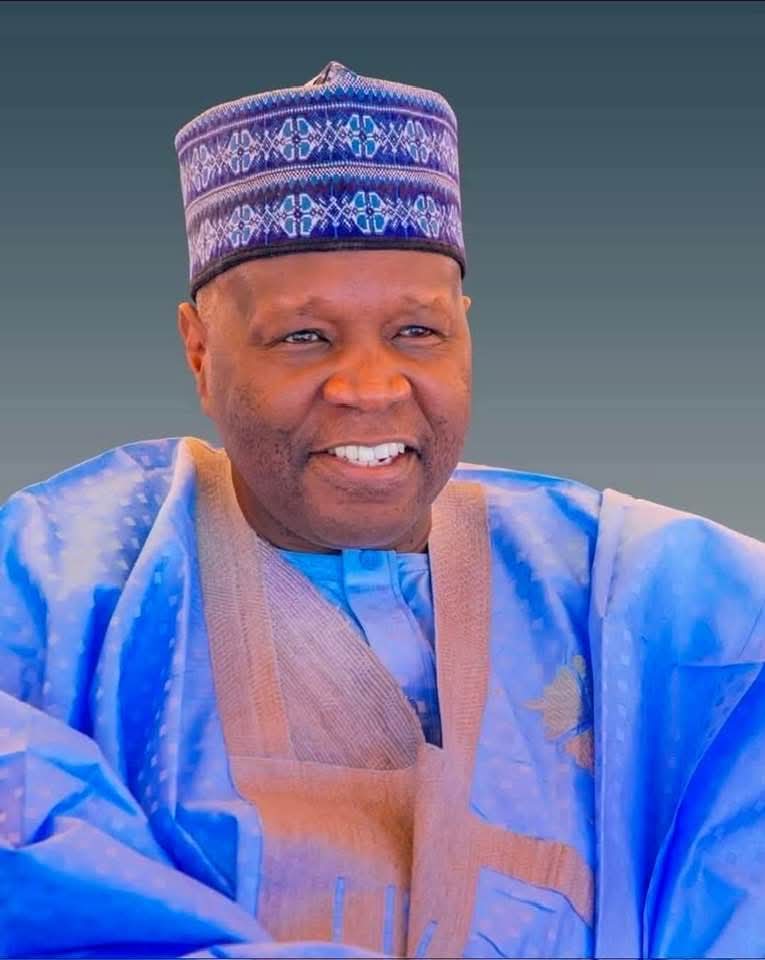
Pix: Gov. Yahaya
By Kassim Omomia, Abuja
Every worthwhile achievement carries value, particularly when it produces measurable benefits for society, strengthens institutions, and improves human welfare. Such efforts merit recognition when they translate into tangible progress and public good.

Within democratic governance, politics serves as an essential instrument for advancing the principle of government of the people, by the people, and for the people. When properly conducted in line with established rules, it becomes a structured process that promotes accountability, transparency, and effective service delivery.

A recurring question, however, is whether these democratic principles are consistently upheld in practice in accordance with the rule of law, and whether citizens at national, state, and local levels genuinely experience the benefits of good governance.
Despite these concerns, it remains possible to assess democratic performance through observable indicators, including policy outcomes, institutional integrity, and the impact of government programmes on citizens.
In Gombe State, governance under Governor Muhammadu Inuwa Yahaya has been widely presented as inclusive and development oriented, with emphasis on public welfare, infrastructure renewal, and institutional strengthening. His administration is often described by supporters as performance driven, with outcomes that reflect structured planning and implementation.
Public accountability in governance is also reinforced through civic scrutiny by the media, civil society organisations, and advocacy groups, which evaluate leadership performance across different tiers of government. These assessments typically influence public perception, shaping both commendation and constructive criticism aimed at reform and improvement.
In Gombe State, various developmental projects have been commissioned in recent years, including market rehabilitation, road construction, and institutional facilities, reflecting ongoing efforts to expand economic activity and public infrastructure.
Over the course of the administration, the state has also recorded recognition in areas such as security management, healthcare delivery, education, agriculture, and ease of doing business. These achievements are frequently cited as indicators of policy continuity and administrative stability.
Security remains a central theme in the state’s governance narrative. Gombe has been repeatedly highlighted in public assessments for maintaining relative stability compared to parts of the North East region, with emphasis placed on collaboration between security agencies and community structures.
The administration’s approach to security is commonly described as intelligence driven, supported by coordination among stakeholders, investment in logistics, and efforts to strengthen institutional response capacity. These measures are presented as contributing factors to improved public safety and economic confidence.
The state’s interfaith and multi ethnic composition has also been noted as a factor supporting peaceful coexistence, with governance messaging often stressing unity, tolerance, and social harmony as foundations for stability and development.
In recent evaluations, Gombe State has received recognition for security performance, including awards attributed to governance and public safety outcomes. These acknowledgements are often linked to policy frameworks aimed at reducing crime and strengthening law enforcement coordination.
Representatives of the state government have consistently maintained that these outcomes are the result of deliberate planning and sustained policy execution, particularly in security architecture, infrastructure development, and human capital investment.
In addition, the state has received commendations in areas such as digital governance, agricultural transformation, and public service reform. These recognitions reflect broader efforts to modernise administrative systems and improve service delivery efficiency.
Further awards and acknowledgements have also been recorded in sectors including health care delivery, education advancement, and business environment reforms, contributing to the state’s profile in national governance assessments.
Officials have reiterated that government priorities remain focused on consolidating gains in security, expanding infrastructure, and sustaining reforms aimed at economic growth and social development.
Overall, Gombe State continues to be presented by stakeholders as a case study in coordinated governance efforts, where policy execution, institutional collaboration, and developmental planning intersect to shape public outcomes.