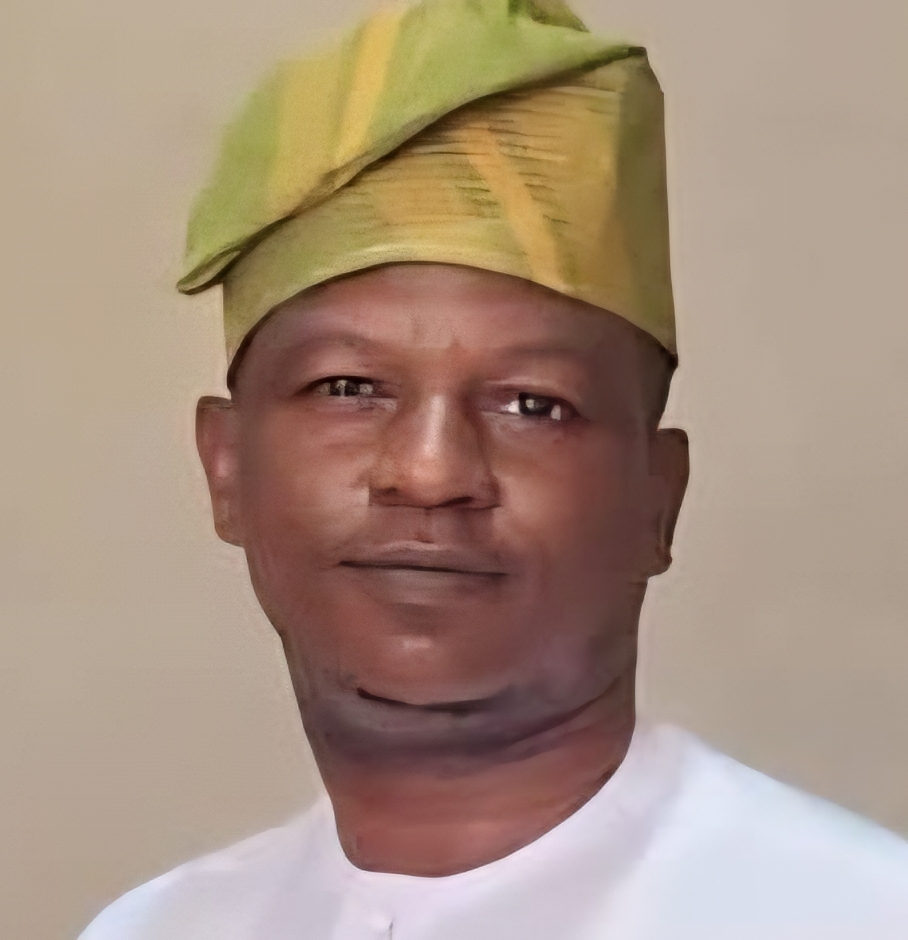
 Keji Mustapha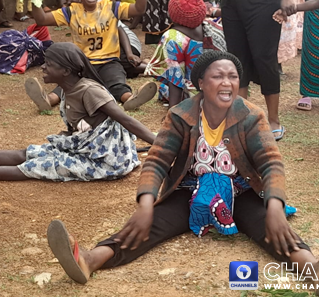
By Bisiriyu Olakunle, Jos, Plateau State
For more than three decades, government offices in Jos and Abuja have held stacks of detailed reports, painstakingly documenting testimony from victims, witnesses, and community leaders. These reports, produced by successive commissions of inquiry, sought to investigate why Plateau State, once known for its peace, continues to erupt into violence.
Despite the wealth of information and recommendations contained in these reports, killings have persisted. The appeals of victims and communities for justice, structural reform, and healing remain largely unheeded. Each new outbreak of violence leaves survivors burying the dead, rebuilding homes, and confronting trauma, even as the same unresolved issues fuel the next wave of conflict.
Over the years, governments at both state and federal levels have convened high-powered panels to examine the recurring crises, issuing findings based on extensive investigations into the causes. Yet, these reports have rarely been published, debated, or translated into concrete action. Analysts and residents alike argue that the core crisis is not only the violence itself, but the repeated failure of leadership to act on knowledge already collected.
Plateau’s violence is complex, arising from overlapping tensions around land, identity, politics, religion, and economics. Jos, at the heart of Nigeria’s Middle Belt, hosts indigenous Christian communities such as the Berom, Afizere, and Anaguta, alongside Hausa-Fulani and other long-established groups. Competition for political positions, land allocation, and state resources frequently escalates disputes from administrative disagreements into full-scale communal violence. Markets are attacked, homes and places of worship are destroyed, and unemployment among youths often fuels manipulation by actors who profit from chaos. Security forces are often reactive rather than preventive, arriving too late to halt escalation and, in many cases, perceived as partial rather than impartial.
The first significant government inquiry followed the April 1994 clashes, which erupted over political appointments and local influence. The Justice J. Aribiton Fiberesima Commission conducted hearings and examined land, political, and identity disputes. It recommended sanctions for culpable parties, but the report was never published, no White Paper was produced, and no reforms followed. Many believe the failure to act then set the stage for the 2001 crisis, which claimed around 1,000 lives following tensions over a federal appointment and spiralled into widespread destruction.
Subsequent panels, including the Tobi and Galadima Commissions (2001), the 2004 Presidential Panel, the Ajibola and Abisoye Commissions (2008), and the Lar-Kwande Committee (2010), repeatedly identified the same drivers: land disputes, political exclusion, identity tensions, impunity, and weak governance. Each produced detailed findings and actionable recommendations, yet none were fully implemented. Reports languished unpublished, White Papers were never issued, and systemic reforms failed to materialise.
The consequences for ordinary residents have been devastating. Over two decades, more than 11,000 people have been killed and over 420 communities abandoned. Entire areas remain depopulated, displaced persons linger in camps for years, and property destroyed in one cycle of violence is often rebuilt only to be destroyed again. Experts consistently note that the absence of prosecutions for perpetrators has emboldened repeat offenders, perpetuating an escalating cycle of brutality.
Across all panels, the recommendations have been consistent: enforce the law, prosecute instigators, reform land allocation, clarify legal definitions of indigeneship, and promote intercommunal dialogue. Yet entrenched power structures and political reluctance have prevented meaningful change. Civil society efforts, while persistent, have been fragmented and limited in impact.
Plateau stands at a critical juncture. The knowledge to break the cycle of violence exists, documented in meticulous detail over decades. Until political leaders act decisively—confronting impunity, reforming institutions, and addressing the root causes of tension—the killings are likely to continue, and the dream of lasting peace will remain elusive.