 Keji Mustapha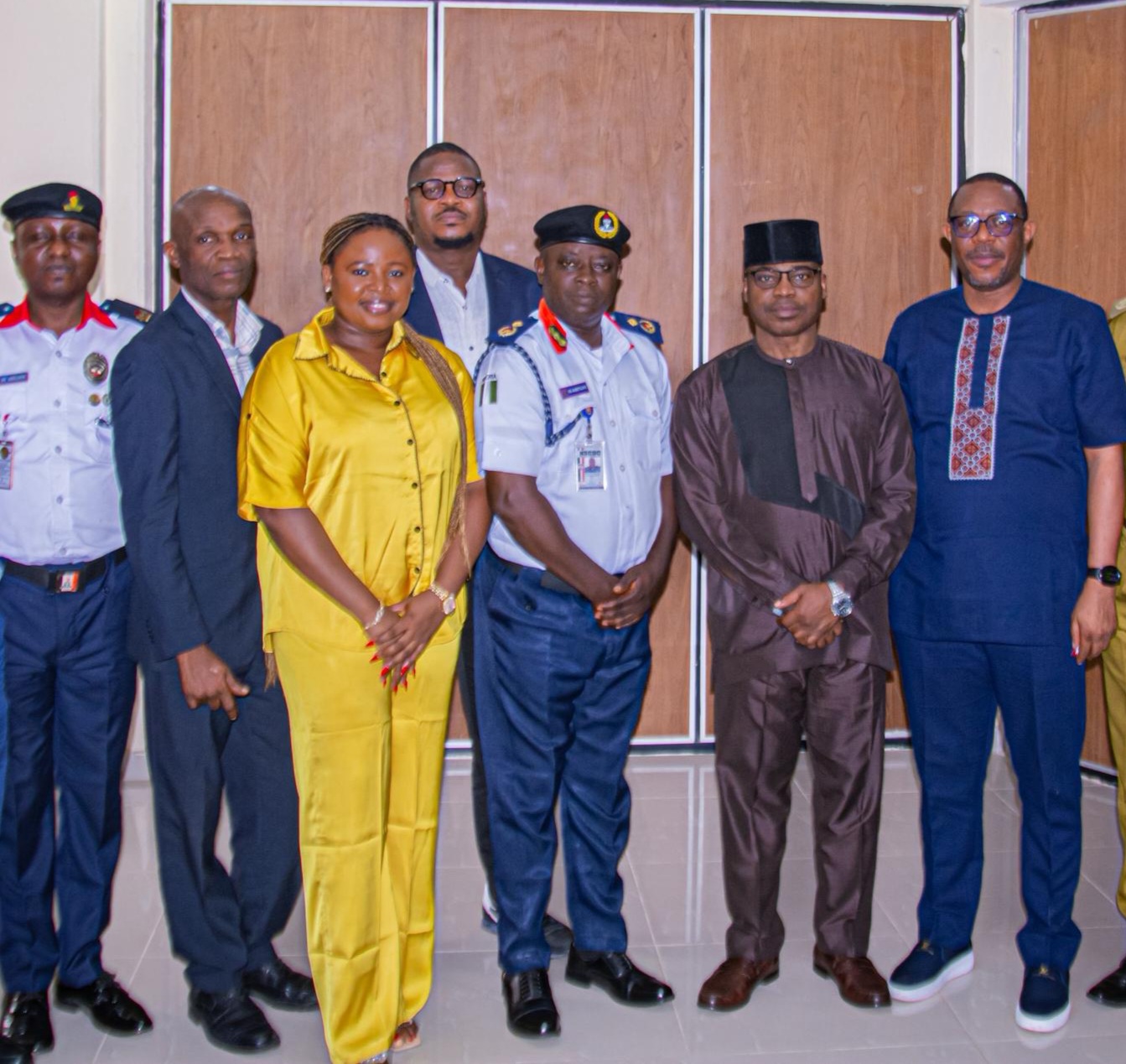
The Nigeria Security and Civil Defence Corps (NSCDC), Lagos State Command, on Tuesday hosted the Technical Committee of the Office of the National Security Adviser (ONSA) on Critical National Assets and Infrastructure Protection (CNAIP) for a strategic stakeholders’ meeting in Lagos.
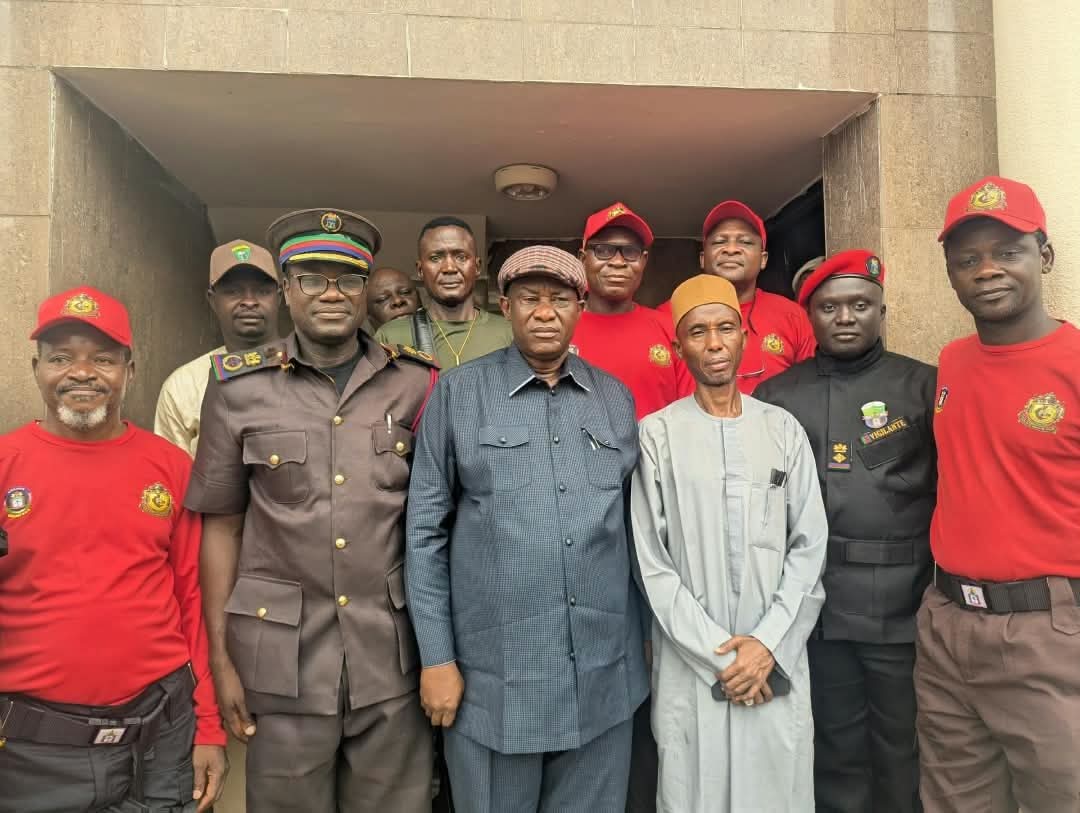
The committee, led by Air Vice Marshal E. E. Effiom, Director of the Directorate of Critical National Assets and Infrastructure Protection (DCNAIP), convened the summit at the Conference Hall of the Federal Ministry of Works on February 17, 2026. The meeting brought together key stakeholders, including representatives of the Federal Ministry of Works, Lagos State Government agencies, security agencies, owners and operators, scrap dealers, and employers’ associations.
Members of the ONSA technical team at the meeting included the Acting Deputy Commandant General in charge of the Critical National Assets and Infrastructure Directorate of the NSCDC, National Headquarters, Abuja, Dr. Benito Eze, mni; Commandant of Corps E.R. Onibiyo; and Assistant Commandant of Corps A.A. Bakare, Deputy Director of Strategy and Assistant Director, Critical Information Infrastructure.
In his opening remarks, Air Vice Marshal Effiom explained that the directorate was established to ensure full implementation of the national framework for the protection of critical assets and infrastructure. He stressed that no nation can achieve sustainable development without safeguarding its strategic assets. He particularly highlighted the importance of fibre optic cables to Nigeria’s telecommunications system, warning that vandalism of such infrastructure must not be tolerated.
The director further urged stakeholders to adopt a whole-of-government approach to ensure coordinated and systemic protection of assets and infrastructure across Lagos State and the country. He emphasized that failure to adequately protect national assets would not be accepted as an excuse. He also called for stricter internal regulation of scrap dealers and employers’ associations by relevant Lagos State agencies to curb activities that may aid vandalism.
The summit featured an extensive interactive session, providing stakeholders the opportunity to contribute practical insights based on the peculiar challenges in Lagos State.
Speaking during the session, Dr. Benito Eze underscored the importance of cooperation, collaboration, and coordination among all relevant agencies to ensure effective protection of critical national assets and infrastructure nationwide.
The Lagos State Commandant of the NSCDC, Mr. Adedotun Keshinro, who was represented by the Head of the CNAI Department, Deputy Commandant of Corps Kolawole Agbetiloye, reiterated the command’s commitment to stakeholder sensitization. He disclosed that the command had concluded community engagement sessions across the three senatorial districts, 10 Area Commands, and 22 Local Government Areas in the state, with further engagements scheduled to continue until the end of March 2026.
The Federal Controller of Works in Lagos State, Engr. Olufemi Dare, called for stronger security collaboration to combat vandalism of roads and bridges. While acknowledging persistent cases of infrastructure damage, he commended security agencies for their efforts in reducing acts of sabotage.
Also speaking, the Zonal Controller of the Nigerian Communications Commission (NCC), Mr. Tunji Jimoh, praised the ONSA technical committee for successfully coordinating the stakeholders’ engagement. He reaffirmed the NCC’s commitment to sensitization and collaboration with the NSCDC Lagos Command to curb vandalism of fibre optic cables, manholes, and power installations.
Major infrastructure owners and operators, including MTN Nigeria, IHS Towers, and Ikeja Electric, commended DCNAIP–ONSA for effectively operationalising Federal Government strategies on the protection of critical national assets and infrastructure across the country.
In her remarks, the Security Specialist at IHS Towers, Mrs. Ijeoma Chigbu, noted that Lagos State was already witnessing positive outcomes from the community engagements initiated by the NSCDC Lagos Command in 2025. She described the command’s grassroots presence and direct interaction with stakeholders across the state as commendable and impactful.
Other agencies represented at the summit included the Nigerian Army, Nigeria Customs Service, Nigeria Police Force, Federal Road Safety Corps, National Drug Law Enforcement Agency, Federal Fire Service, Nigeria Correctional Service, FAAN–AVSEC, NEMSA, Fiber One, and other relevant stakeholders.