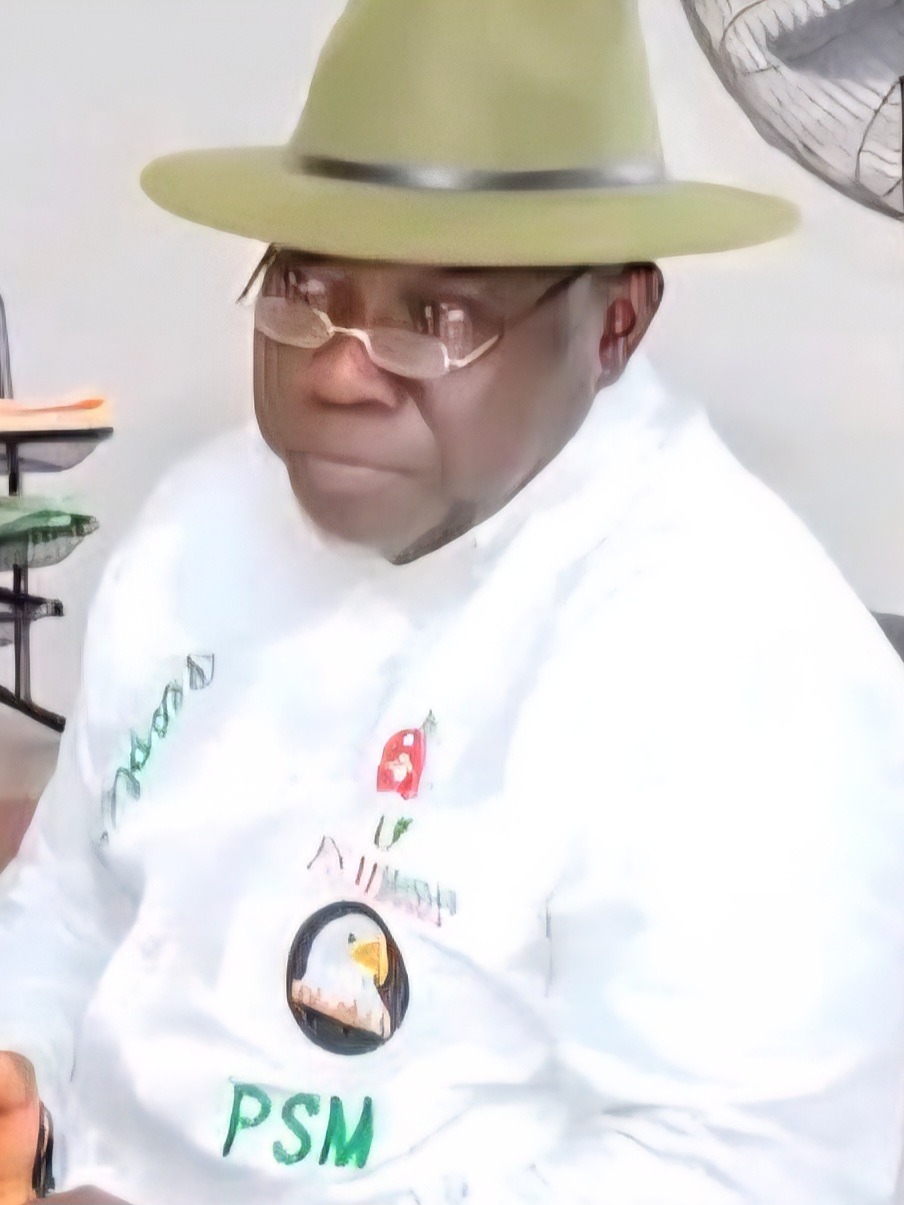
 Keji Mustapha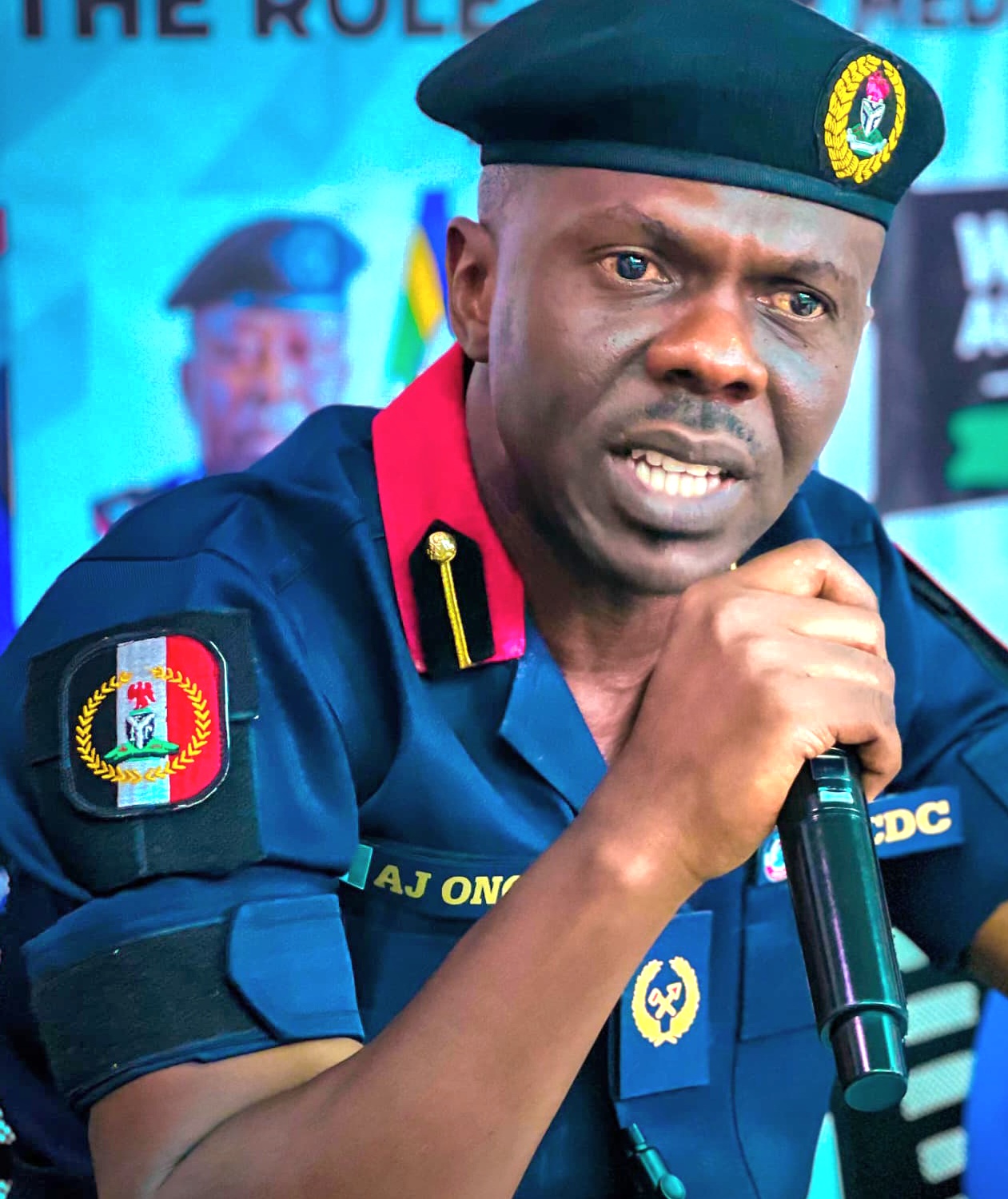
Written by Dr. Chima Chibuike, Research Fellow at the University of Oklahoma, United States of America.
In an era when Nigeria is fighting to diversify its economy and
preserve national wealth beyond oil, one man has quietly become the
face of integrity, patriotism, and service within the security sector.
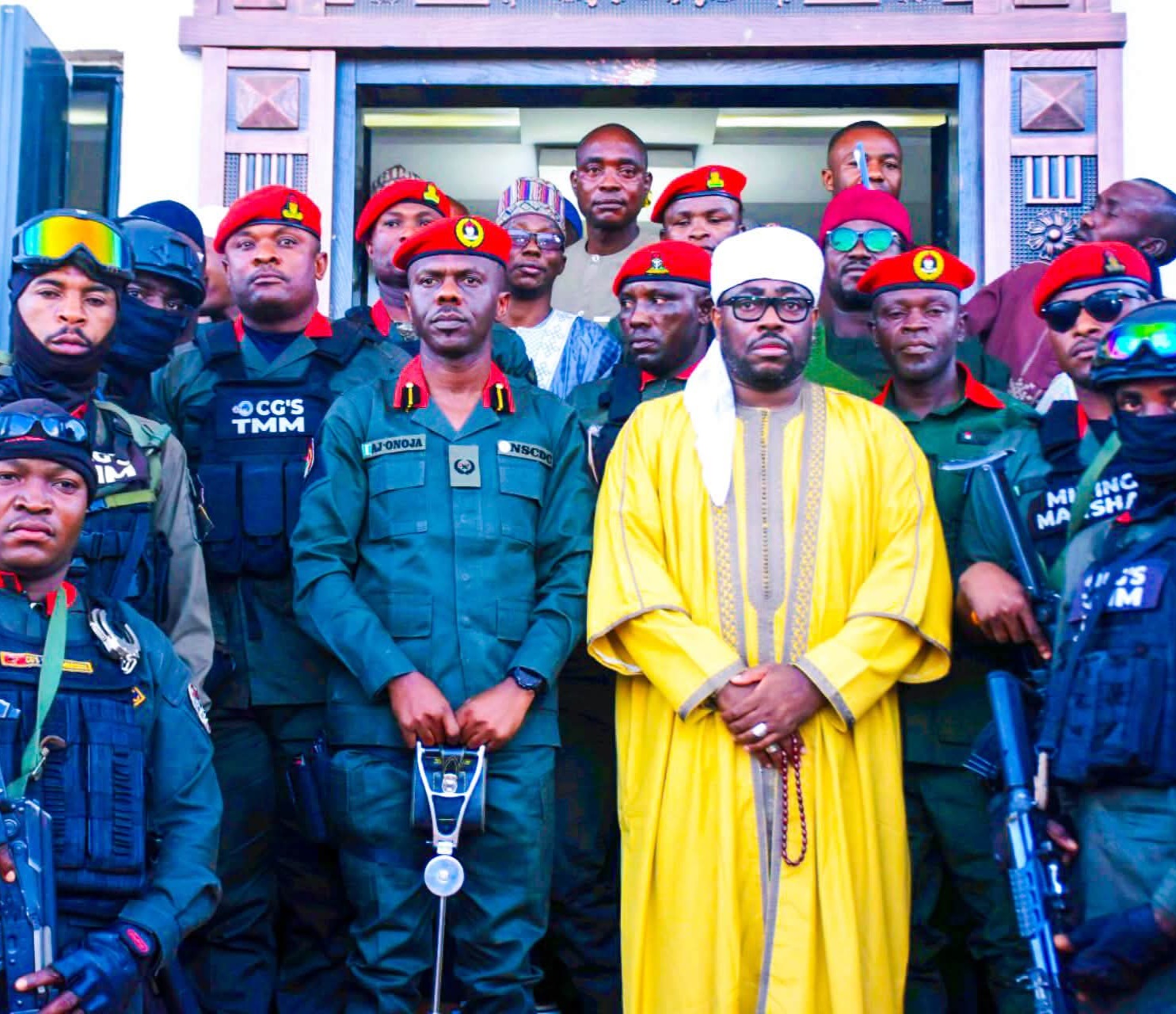
Assistant Commander of the Corps (ACC) Onoja John Attah, Commander of
the Nigeria Security and Civil Defence Corps (NSCDC) Special Mining
Marshals, has emerged as a guardian of Nigeria’s solid minerals, an
officer whose unwavering dedication has saved the nation from the grip
of mineral thieves and economic saboteurs.
At a time when illegal mining activities threatened to cripple one of
the country’s most promising non-oil sectors, ACC Attah stepped
forward with a clear mission: to defend Nigeria’s mineral heritage
from the clutches of syndicates that had long exploited it. Under his
leadership, the NSCDC Special Mining Marshals have disrupted vast
criminal networks, recovered stolen minerals, and restored sanity to
mining corridors that were once lawless. His operational record is
evidence of his results-driven leadership and his belief that
Nigeria’s mineral wealth must serve Nigerians, not foreign profiteers.
Illegal mining is one of the country’s most silent yet devastating
crimes. It drains billions from public revenue, fuels insecurity,
destroys ecosystems, and robs communities of their future. Through a
series of well-coordinated enforcement operations, Attah and his team
have not only dismantled illegal mineral storage facilities and
arrested offenders, but they have also created a deterrent effect that
continues to save the economy from daily losses. Experts in the
extractive industry credit the Special Mining Marshals with preserving
significant mineral revenue that might otherwise have been lost to
smuggling rings.
More than just a commander in uniform, Attah represents a new
generation of officers who understand that national duty is not about
position, but purpose. His work is driven by a rare patriotic zeal, an
unflinching belief that every gram of Nigeria’s gold, lead, lithium,
and coal belongs to the Nigerian people. He has often been described
by colleagues as “the wall that corruption cannot climb,” a man who
has refused every form of inducement and compromise in a sector
notorious for vested interests.
The ethical strength of ACC Attah is legendary within and beyond the
NSCDC. In several instances where corrupt elements have sought to
influence enforcement operations, he has remained unmoved. His
insistence on due process, accountability, and transparency has
restored public confidence in the Mining Marshals’ mandate. While some
officers chase wealth or power, Attah’s focus remains
unwavering firmly protecting the economic integrity of Nigeria, even when it
comes at personal cost.
Attah’s leadership also extends beyond enforcement to institution
building. He has strengthened coordination between the NSCDC, the
Ministry of Solid Minerals Development, and state governments to
ensure that enforcement actions are complemented by policy and
community engagement. His efforts have contributed to the
formalisation of artisanal mining operations and a better
understanding between security agencies and host communities. This
inclusive approach reflects strategic foresight and deep understanding
of how to sustain security through social cooperation.
The numbers tell a compelling story. In recent years, the mining
sector’s recorded revenues have surged, partly due to reduced illegal
exports and better compliance. Thousands of illegal miners have been
apprehended, and hundreds of cases are before competent courts. These
are not abstract statistics; they represent billions of naira in
preserved national value and thousands of jobs protected in legitimate
mining enterprises. Such tangible economic impact strengthens the
argument that men like Attah are not just officers; they are national
assets.
Beyond Nigeria’s borders, ACC Attah has become a symbol of credible
enforcement and moral authority. Nigerians in the diaspora and
international observers have commended his approach, describing it as
a model for resource protection in developing nations. His work has
earned accolades from civic groups, journalists, and professional
bodies who see in him a reflection of what public service can achieve
when guided by conscience and patriotism.
What sets Attah apart is his quiet humility. Despite his achievements,
he remains approachable, focused, and disciplined. His leadership
inspires his subordinates to act with professionalism and respect for
the rule of law. Within the NSCDC, he is seen not only as a commander
but as a mentor, one who leads by example and insists that honour is
more valuable than any reward.
The impact of his moral strength resonates across mining communities.
Residents who once feared law enforcement now see the NSCDC as
partners in progress, thanks to Attah’s insistence on engagement and
fairness. His operations have promoted peace, improved government
revenue, and fostered trust between citizens and the state. Such trust
is the foundation of national development.
The significance of his service cannot be overstated. By preventing
the illegal export of Nigeria’s solid minerals, ACC Attah is
safeguarding future generations from economic dependency. Every
shipment intercepted, every syndicate dismantled, and every illegal
site sealed translates to billions of naira retained within the
economy, funds that can power education, healthcare, and
infrastructure. His work has quietly become part of Nigeria’s fight
for self-reliance and sustainable development.
Integrity, patriotism, and professionalism—these are the virtues that
define ACC Onoja John Attah. In a system too often plagued by
compromise, his consistency has given Nigerians a reason to believe in
public service again. It is precisely this type of leadership that
deserves to be recognised with a national honour.
A national honour for Attah would not merely be a personal reward; it
would be a statement of national values. It would affirm that in
today’s Nigeria, honesty still matters, integrity still counts, and
patriotism still pays. It would also serve as a moral boost. an
inspiration for him to continue pushing boundaries, expanding
operations, and working even harder for the country he so passionately
defends. Recognition from the Federal Government would further
energize Attah and his team to sustain and deepen the reforms that are
restoring sanity to Nigeria’s mining sector.
Indeed, bestowing a national honour on ACC Onoja John Attah would have
a multiplier effect. It would send a clear message that Nigeria values
those who protect its resources with integrity, and it would spur him
to greater accomplishments. For a man whose entire career has been
built on service, such recognition would only ignite a deeper passion
to do more—to protect more, reform more, and give more back to
Nigeria.
Onoja John Attah is not just a man in uniform’ he is a movement of
conscience, discipline, and hope. His career reminds us that
patriotism is not a slogan but a lifestyle, and that true national
service is measured by sacrifice, not comfort. In him, Nigeria finds a
reflection of its best ideals: courage in the face of corruption,
steadfastness in the pursuit of justice, and loyalty to the nation
above all else.
At a time when the country needs heroes who restore faith in
leadership, ACC Onoja John Attah stands tall. He has earned not just
the admiration of Nigerians, but their trust and gratitude. For his
sterling conduct, his unwavering defence of the nation’s mineral
wealth, and his unmatched ethical leadership, he deserves nothing less
than a national honour that will propel him to serve even more
passionately and diligently in the noble task of protecting Nigeria’s
future.