 Keji Mustapha
Chief Emeka Nwachukwu, writes in from Garki, Abuja
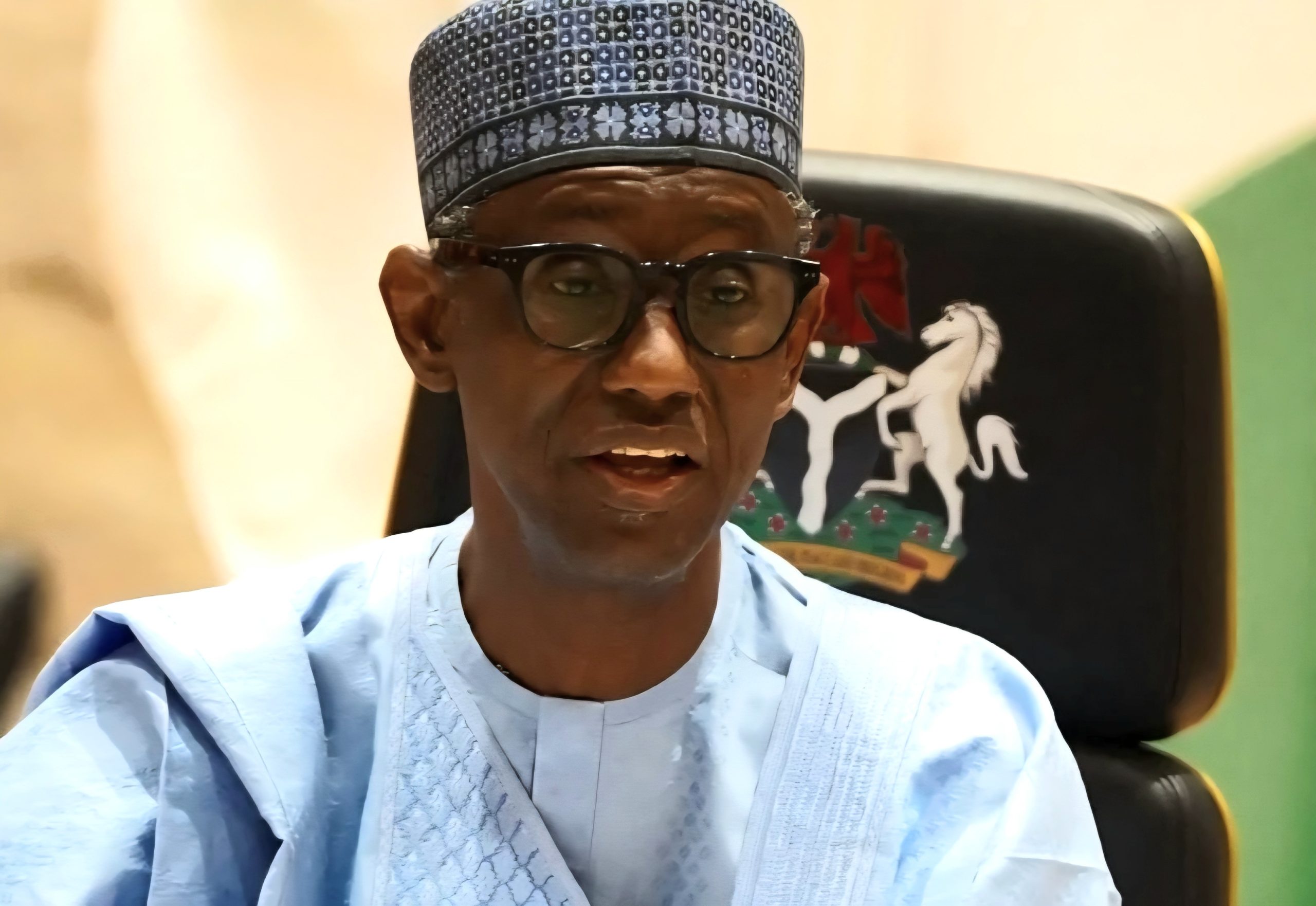
When President Bola Ahmed Tinubu appointed Deputy Controller-General Olumode Samuel Adeyemi as Controller-General of the Federal Fire Service on August 14, 2025, many Nigerians viewed the decision as a bold step toward revitalizing a crucial emergency institution. Barely weeks after assuming office, visible changes are already unfolding, signaling that the Federal Fire Service may finally be regaining its long-lost operational strength, morale, and public trust.
Upon his assumption of duty, Controller-General Adeyemi wasted no time in identifying gaps and introducing practical solutions. One of his earliest actions was to prioritize the welfare of personnel by increasing the staff cooperative loan ceiling from ₦300,000 to ₦500,000. This decision, although administrative, has had an immediate morale-boosting effect across the ranks. He has also drawn a firm line against job racketeering, warning that merit, not favoritism, will be the new standard in recruitment and promotion.
Adeyemi’s approach reflects a leadership style defined by discipline, accountability, and pragmatic engagement. Within weeks, the Service Headquarters in Abuja and zonal offices across the country have reported increased activity, with long-dormant operational sections being reactivated. From training and logistics to public safety awareness, the Service is gradually moving away from years of bureaucratic stagnation toward visible efficiency.
President Bola Ahmed Tinubu is reportedly pleased with the Controller-General’s early steps, describing his leadership as a “brilliant takeoff.” The Presidency has also hinted at plans to amend the Fire Service Act to grant the agency stronger operational independence and a clearer statutory mandate in line with modern emergency management standards.
For an organization that had, over the years, been seen as reactive rather than proactive, these early signs of renewal are significant. Fire safety drills, community outreach campaigns, and inter-agency collaborations have begun to increase once again. Nigerians are beginning to feel a new sense of assurance that the Service is returning to its primary duty of protecting lives, property, and national assets.
While much remains to be done, particularly in training, infrastructure renewal, and modernization of response systems, the direction is clear. Under Adeyemi’s watch, the Federal Fire Service is repositioning itself as a truly professional emergency response agency. The signs of change are not in rhetoric but in action, and reforms that improve the welfare of officers, restore public trust, and reaffirm the Service’s critical role in national development.
The tide, indeed, is changing for good.