 Keji Mustapha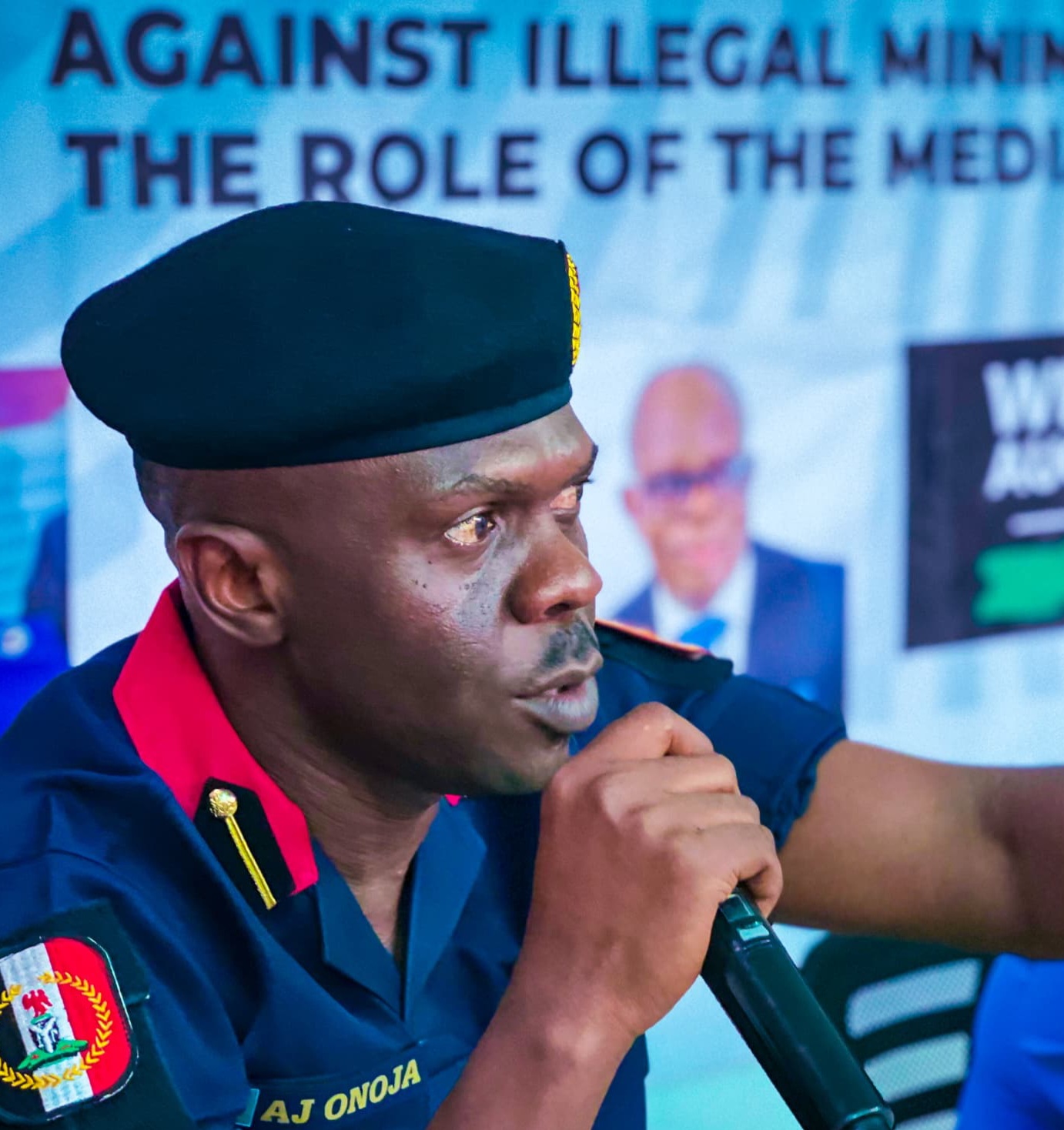
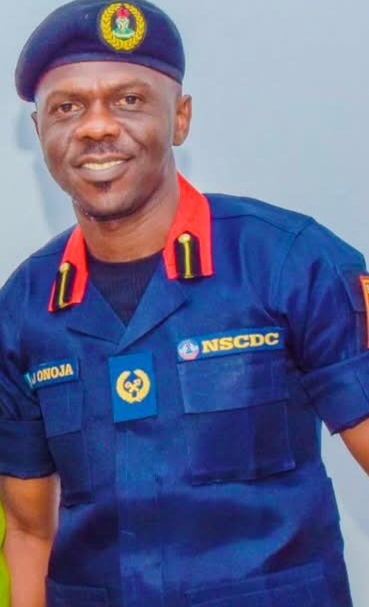
Pix: ACC Onoja Attah
Chief Oghenero Oghenetegaoghene writes in from Ughelli, Delta State
In the struggle to safeguard Nigeria’s mineral wealth, one figure has steadily emerged as a decisive force: Assistant Commandant of Corps (ACC) John Onoja Attah, Commander of the NSCDC Special Mining Marshals. At a time when illegal mining threatens national security, drains billions in revenue and fuels crime, his leadership has brought both clarity and resolve. Through courage, integrity and strategy, Attah has begun to chart a different path for the protection of the nation’s resources.
Illegal mining is more than an economic offence; it is a grave security challenge. It poisons the environment, destabilises local communities, and in some cases bankrolls armed groups. For too long, the issue has been treated as peripheral. That changed with the creation of the Special Mining Marshals under the Nigeria Security and Civil Defence Corps (NSCDC), and their placement under Attah’s command. The move has proven astute. His record shows what firm and incorruptible leadership can achieve.
The results speak for themselves. More than 400 illegal sites have been identified across over 20 states. Hundreds of suspects have been arrested, equipment confiscated, and cases pushed forward for prosecution. These are not just numbers on paper; they represent concrete victories against a criminal economy that had flourished for decades. His actions demonstrate that impunity in the solid minerals sector is no longer guaranteed.
What distinguishes Attah is not only the outcomes, but also his methods. He is known for rejecting inducements and refusing to bow to pressure. In a country where corruption has eroded many enforcement agencies, his refusal to compromise is both rare and powerful. It is this integrity that reassures investors, strengthens stakeholder confidence, and convinces ordinary citizens that the campaign against illegal mining is genuine.
Yet Attah is also a strategist who recognises the value of collaboration. His call for media support, rather than scepticism, reflects a leader who values partnership. He has worked with licensed operators, civil society groups, and host communities to build a climate where legal mining can thrive and criminal operations are gradually starved of space. Such inclusive approaches show foresight.
Still, the obstacles are formidable. The geography is often hostile, equipment inadequate, and the networks behind illegal mining both wealthy and politically connected. For any officer, the temptation to compromise is immense. That Attah continues to resist speaks to unusual resilience — and underscores why he deserves broader support.
Nigeria cannot afford to frame this as his personal war. If the Mining Marshals prevail, the nation will benefit from increased revenues, new jobs, and safer host communities. If they falter, the outcome will be dire: environmental devastation, further insecurity, and deepened economic loss. Supporting Attah and his men is therefore an investment in Nigeria’s stability and prosperity.
Support must be multi-faceted. The Federal Government must provide modern tools, vehicles, and technology. The judiciary must treat illegal mining cases as priorities, ensuring swift and transparent trials. Communities must see the Marshals as allies, not adversaries. Only such a layered response can consolidate current gains.
There is also a moral dimension. At a time when public cynicism about service is widespread, Attah represents a counter-example: a public officer committed to duty above personal gain. His story is a reminder that integrity is still possible in Nigeria’s public space. It is also an inspiration for younger officers who might otherwise believe that compromise is inevitable.
The stakes are high. Nigeria’s mining sector could become a cornerstone of national development, but only if it is shielded from criminal exploitation. Attah has put his career and safety on the line to protect that future. The least the nation can do is to shield him from sabotage and give him the institutional strength to expand his impact.
The world is watching. Global buyers know the difference between clean minerals and those sourced from conflict zones. Nigeria cannot afford to be tagged as a supplier of “conflict resources.” Supporting the Mining Marshals and ensuring transparency will position the country as a responsible player in the international market.
Ultimately, ACC John Onoja Attah is more than a commander; he is an asset to Nigeria’s wider security community. His incorruptible style and results-driven approach provide a model for how security agencies should function in a democracy. At a time when the country desperately needs examples of selfless service, his leadership shines. Protecting him, resourcing him, and celebrating him are not optional. They are necessary steps if Nigeria is serious about defending its resources and its future.