 Keji Mustapha
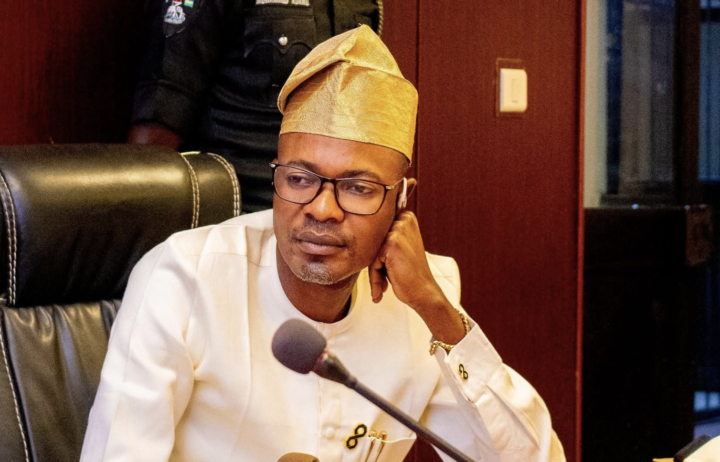
The Chairman of the Police Service Commission (PSC), retired Deputy Inspector General of Police, Hashimu Argungu, mni, has stressed the critical need for Nigerian police officers to possess a strong understanding of the law, police orders, and operational instructions, as well as embody essential professional values such as efficiency, courtesy, tact, integrity, and impartiality.
DIG Argungu made this known during a keynote address delivered at a high-level security workshop which commenced in Abuja on September 15, 2025. The event, organised by the United Nations Development Programme (UNDP) in collaboration with development partners and the governments of Borno, Adamawa, and Yobe States, focused on strengthening ethical and trauma-informed responses within the security sector.
Speaking on the topic, “Ethics, Mental Health, and the Future of Policing and Security in Nigeria,” and under the theme, “Command Leadership for Ethical and Trauma-Informed Security Response,” the PSC Chairman emphasized that the future of policing in Nigeria hinges not only on physical readiness but also on ethical discipline and psychological resilience. He stated that ethics and the professional code of conduct form the bedrock of effective policing and that ethics training is essential for enabling police departments to achieve their full potential. Officers, he said, often exercise significant discretion in the enforcement of the law, making it vital that they are guided by sound ethical standards.
He also addressed the importance of medical and psychological fitness in the recruitment and continued service of police officers. He explained that comprehensive health evaluations are necessary to determine whether candidates are physically and mentally capable of meeting the demands of police work. These evaluations, he said, should include tests for speech impediments, dental and jaw malformations, knock knees, flat feet, bent limbs, deformed hands, vision defects, and any other conditions that may impair a candidate’s ability to perform effectively.
DIG Argungu went on to highlight the significant stress factors facing police officers, noting that policing is inherently stressful due to frequent exposure to trauma, violence, and danger. He added that organizational challenges, such as inadequate staffing, poor leadership, lack of equipment, and excessive workloads, further compound this stress. Officers also face external pressures from society, financial strain, and family-related issues, as well as internal emotional struggles. He warned that if left unaddressed, these stressors can lead to serious mental and physical health issues, including burnout, depression, substance abuse, and even suicide.
Turning to the broader challenges facing the future of policing in Nigeria, the PSC Chairman noted that contemporary threats are no longer limited to traditional causes such as unemployment, poverty, and the problem of out-of-school children. Instead, he highlighted the growing influence of digital platforms and social media, which are increasingly being used for malicious purposes including the spread of propaganda and the recruitment of criminal elements. He warned about the rise of hooliganism being driven by unscrupulous actors who exploit digital spaces to mobilize followers for unlawful activities.
In conclusion, DIG Argungu emphasized that security officers in the 21st century must be equipped with digital literacy and technological skills. They must be able to identify cybercrimes and understand the implications of computer-based offences in an increasingly digital society. He called for enhanced training to ensure officers can meet the demands of modern policing and contribute effectively to national security in a rapidly evolving technological landscape.