 Keji Mustapha
By Isiaka Mustapha, CEO/Editor-In-Chief, People’s Security Monitor
Solomon Ehigiator Arase’s passing on August 31, 2025, at age 69, closes the chapter on one of Nigeria’s most consequential modern police careers. His death confirmed by the Nigeria Police Force and widely reported by national outlets has drawn tributes that cut across government, law enforcement, the media, and civil society.
Arase’s record is indeed impressive. He was an investigator and an institutional reformer; a lawyer steeped in human-rights language and a field commander attentive to operational details; a technocrat who could talk metrics, yet a public servant who understood symbolism. In a federation where citizen trust in policing has too often been brittle, he tried early and visibly to change the conversation.

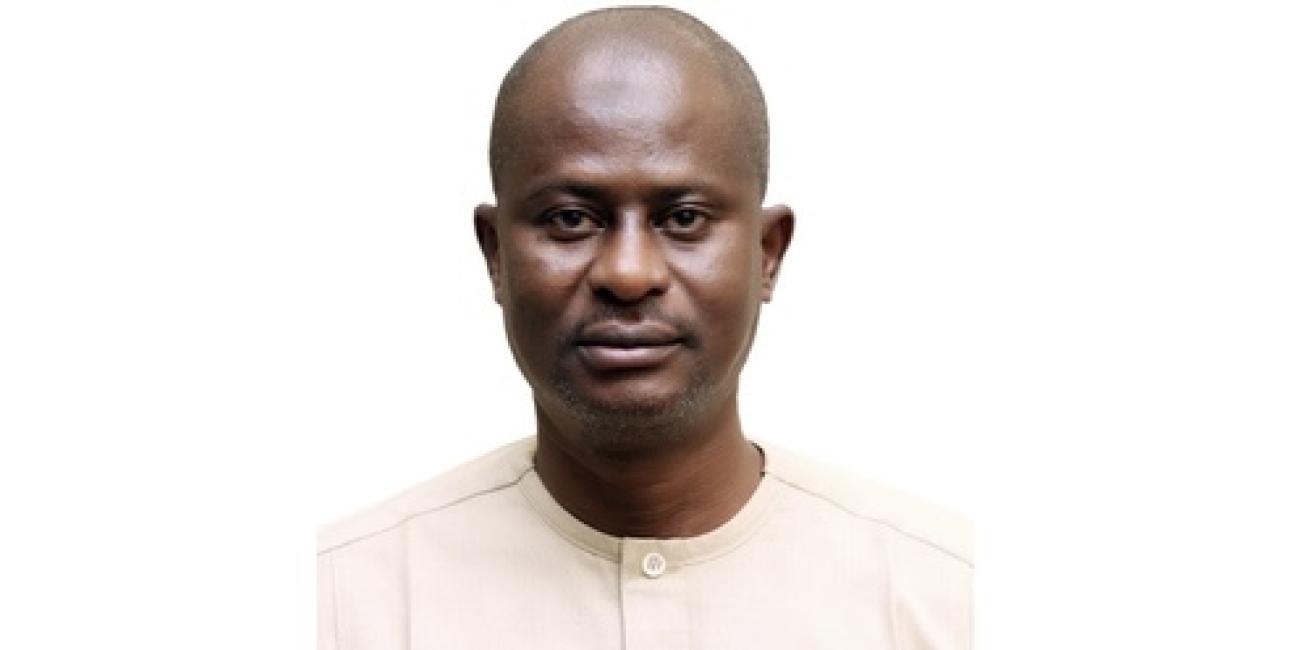
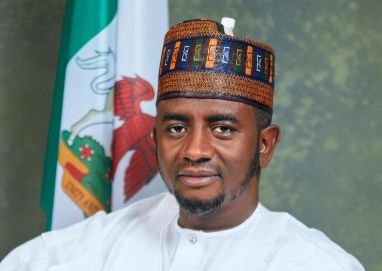
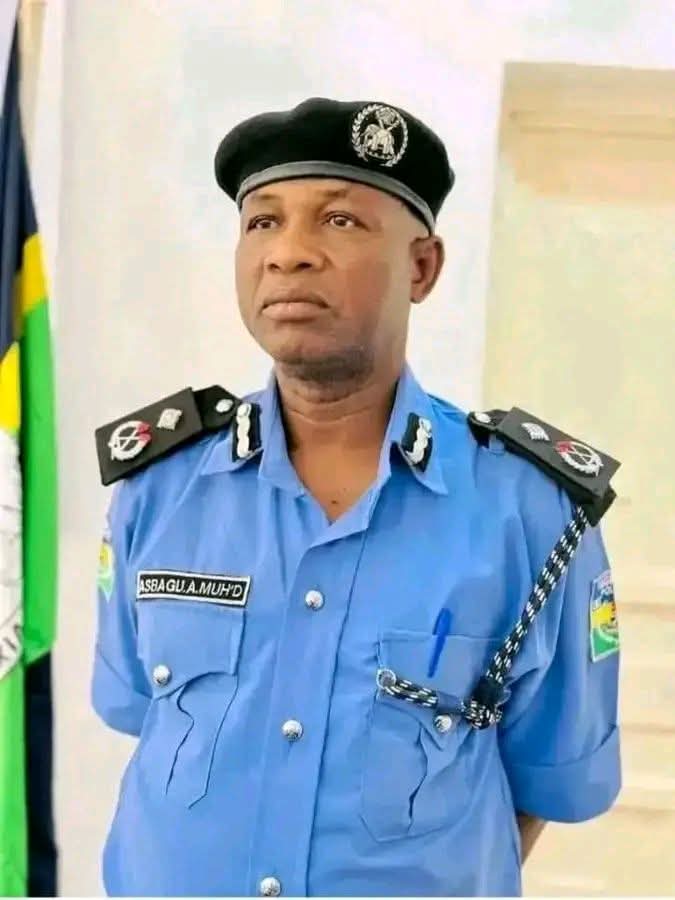
Pix: (R) Isiaka Mustapha, CEO/Editor-In-Chief, presenting the Medal of Meritorious Service to the late Police Chief under the auspices of the People’s Security Monitor.
When Solomon Arase was appointed the 18th Inspector-General of Police in April 2015, he brought to the office a strong commitment to building systems. Within months, on November 13, 2015, he established the Nigeria Police Complaints Response Unit (CRU), the first centralized, multi-channel helpdesk that allowed citizens to report misconduct and track case updates. Both independent analyses and academic studies trace the CRU’s creation directly to his tenure. Between November 2015 and November 2017, the unit, also known as PCRRU, recorded over 7,000 complaints, resolved more than 80 percent of them, and sanctioned dozens of officers. Although later performance varied, those initial years proved the viability of a genuine accountability mechanism.
Accountability wasn’t limited to dashboards. In February 2016 the Police dismissed 51 officers and demoted 56 for corruption and related infractions painful, imperfect, but unmistakable signals that discipline was back on the table. He also moved policing back onto Nigeria’s roads without the notorious “tollgate” culture. Under Operation Safer Highways, Arase launched 259 dedicated highway patrol vehicles nationwide, later scaling with additional deployments (including a publicly stated +350 and then +158), to replace static roadblocks with mobile visibility patrols. Contemporary reports credited the scheme with closing security gaps on major corridors.
Arase emphasized intelligence-led policing at a time when abductions and organized robbery demanded specialist responses. Credible contemporaneous accounts attribute to his watch the creation of the Intelligence Response Team (IRT) to take on high-profile kidnappings and complex cases, a capability that, for better and worse, would later loom large in Nigeria’s security story. He paired this with a directive against unlawful phone searches, insisting on basic civil-liberty guardrails for everyday encounters. He also leaned into citizen whistle-blowing. The “Stop the Bribe” e-reporting platform publicly endorsed and amplified during his tenure—signaled a willingness to invite public scrutiny, not deflect it.
After retiring in June 2016, Arase didn’t leave the space. In January 2023 he became Chairman of the Police Service Commission (PSC), continuing a push for standards and public engagement until his exit from that role in 2024. His legal and academic footprints were substantial; he was noted as a fellow/graduate of the National Defence College and a member of the Body of Benchers. He also invested in people. Through the Solomon Ehigiator Arase Foundation (SEAF), he supported scholarships,especially for children of fallen officers and underserved youth an often overlooked but vital piece of policing’s social compact.
For his service, Arase received the national honour of Commander of the Order of the Federal Republic (CFR) in October 2022, an official recognition documented on the published 2022 National Honours list. Beyond state recognition, he was celebrated by civil society. Notably, the People’s Security Monitor, Nigeria’s leading independent security watchdog, bestowed on him an Award for Meritorious Service, recognizing his reforms, his push for community-driven accountability, and his insistence that policing must be measured by public trust as much as by arrests or seizures. This award, alongside other press-era accolades, underscored that his impact was felt not only in government circles but also in the eyes of ordinary Nigerians and security observers who monitored his reforms closely.
It would be naïve to present Arase as a miracle worker in a system beset by historical underfunding, politicization, and uneven accountability. Later reporting questioned whether the CRU kept momentum after its early surge; and like many elite units globally, IRT’s reputation would depend on how successors used (or abused) the tools he helped embed. That is precisely the point: leadership builds systems that outlast personalities and then prays successors steward them well. Yet on the metrics that matter for a one-year IGP, the evidence is hard to ignore: a working national complaints line with thousands of cases logged and resolved; a visible enforcement of internal discipline; an operational pivot from static roadblocks to mobile patrols with hundreds of vehicles fielded; and a clear embrace of intelligence work and basic civil-liberties messaging. In a country hungry for policing that is both effective and legitimate, those are not small things.
Arase’s death robs Nigeria of a practitioner-scholar who believed that trust is tactical that listening to citizens, protecting rights, and publishing your own performance data can make officers safer and communities freer. That belief is now a legacy others must either carry forward or betray. The fairest tribute will not be a flurry of condolence statements, but a recommitment to the reforms he championed: keep the CRU fully staffed and transparently reported; protect citizens’ phones and dignity at checkpoints; sustain intelligence-led investigations while safeguarding lawful process; invest in officer welfare so integrity is affordable; and keep highways patrolled by vehicles, not roadblocks.
May his family find comfort, and may his soul rest in peace.