 Keji Mustapha
By Isiaka Mustapha, Editor-in-Chief, People’s Security Monitor
There is something profoundly distasteful about turning the death of 37 human beings into political ammunition before the facts surrounding their deaths have been established. The reported custodial deaths of suspected illegal miners in Niger State are grave enough without being dragged prematurely into Nigeria’s familiar theatre of partisan combat. Thirty seven lives have been lost; families are mourning; serious questions demand answers. This is therefore a moment for grief, truth and sober investigation, not a convenient campaign platform for politicians seeking to score points against the government.
A death in custody is never an ordinary occurrence. Once the state takes a person into detention, it assumes a corresponding responsibility for that person’s safety and lawful treatment. The circumstances surrounding these deaths must consequently be subjected to rigorous scrutiny. But accountability is meaningful only when it is founded on evidence. It cannot be replaced by political rhetoric, conjecture or conclusions reached before investigators have completed their work.
It is significant, therefore, that the Federal Government has not simply dismissed the matter. President Bola Ahmed Tinubu, through the Minister of Interior, Dr Olubunmi Tunji Ojo, moved to establish the circumstances surrounding the deaths and ordered a comprehensive investigation. An Independent Investigative Committee was subsequently constituted to examine the incident, establish the facts, identify any negligence or misconduct and recommend measures to prevent a recurrence.
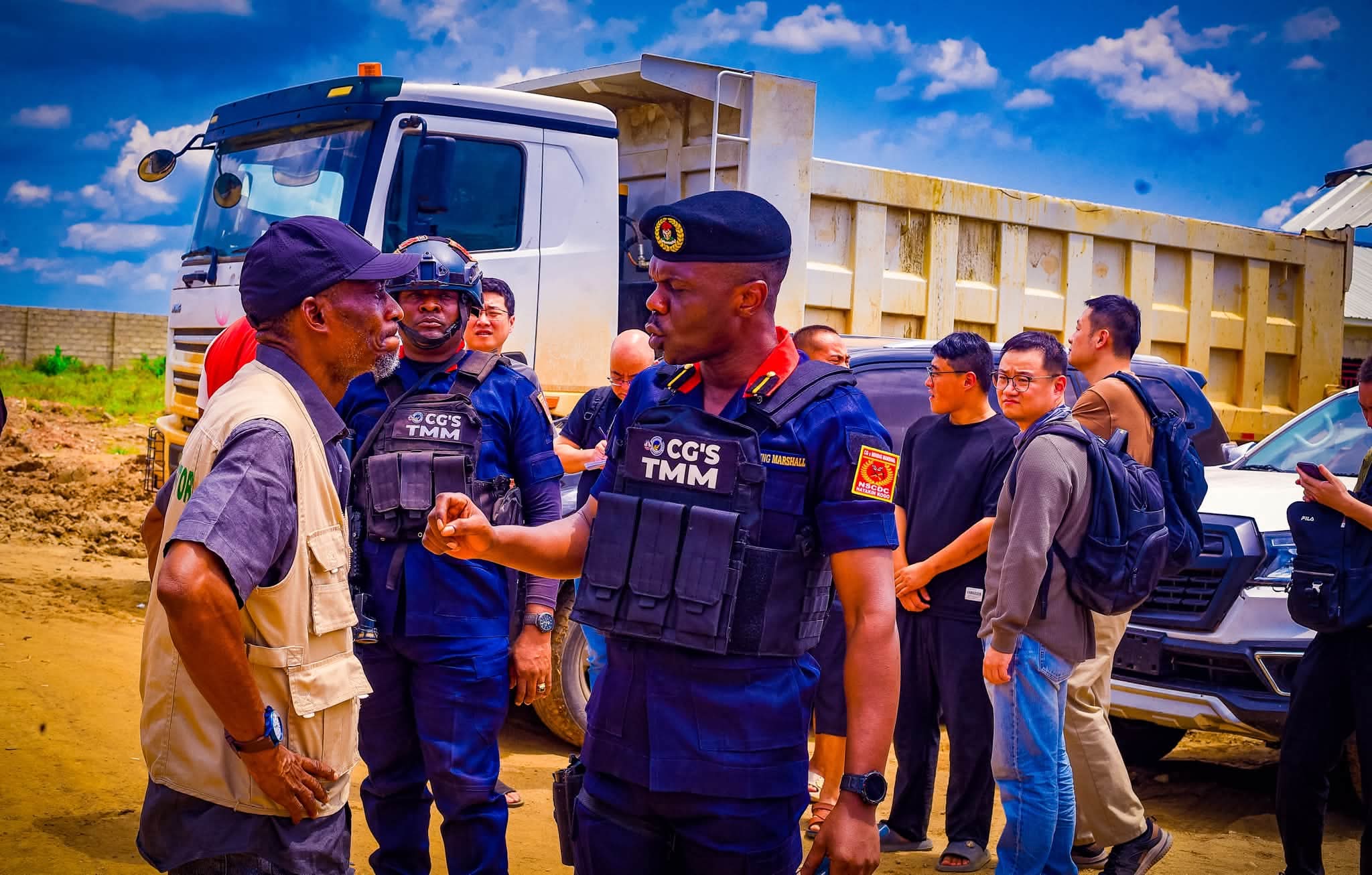
The authorities have also taken administrative steps pending the outcome of the inquiry, including the suspension of personnel connected with the incident. The NSCDC leadership, under Commandant General Professor Ahmed Abubakar Audi, has pledged cooperation with the investigation. These measures do not prejudge the outcome, nor should they be presented as the end of the matter. They are, rather, part of the institutional process required to determine what happened and what must follow.
It is against this backdrop that the political exploitation of the tragedy deserves scrutiny. Former Minister Solomon Dalung and former Vice President Atiku Abubakar are entitled to question government conduct and demand accountability. That is part of democratic discourse. But there is a difference between legitimate scrutiny and using an unresolved human tragedy as a political cudgel against an administration whose investigative machinery is already examining the incident.
The temptation to convert every national tragedy into a partisan campaign issue should be resisted. Nigeria’s political discourse is already deeply charged, and importing the Niger deaths into another round of political confrontation risks shifting attention from the victims to the politicians. The deceased must not become mere props in an argument about the fortunes or failures of competing political camps.
The questions before the nation are clear: What happened in the detention facility? How did the suspects die? Were established procedures followed? Were there failures of supervision, medical attention or custodial management? Did negligence or misconduct contribute to the deaths? These are questions of fact, and their answers should emerge from evidence rather than political declarations.
Premature conclusions can be as damaging as official silence. When political actors establish their preferred narrative before an investigation is concluded, every subsequent finding risks being interpreted through a partisan lens. That does not strengthen accountability; it weakens public confidence in the institutions charged with establishing the truth.
At the heart of the matter are families who have suffered an irreparable loss. Their grief should not be appropriated for political purposes. They deserve credible answers about how their relatives died and what, if anything, will be done to ensure that others do not suffer the same fate. The dignity of that grief demands seriousness from both government and political actors.
The investigative process must consequently be given the space to work. If individual culpability is established, appropriate legal and disciplinary action should follow. If institutional failures are uncovered, they must be corrected. If custodial procedures prove inadequate, they must be strengthened. In each instance, evidence, not political affiliation, should determine the response.
The tragedy also presents an opportunity to examine the wider standards governing the detention of suspects by security agencies. Arrest and detention confer no licence for abuse or neglect. Every person in custody remains subject to the protection of the law, regardless of the allegations against them. Strengthening those safeguards is one of the enduring lessons that should emerge from this incident.
Political leaders and former public officials have a legitimate role in holding governments to account. But responsible opposition does not require that every tragedy be converted into campaign material. There are occasions when the national interest calls for restraint, particularly when an independent process is already underway. The Niger deaths should be one of those occasions.
This is not a moment for political grandstanding. It is a moment to mourn the dead, stand with the bereaved, establish the facts and ensure that any wrongdoing is addressed. The government should be judged by the credibility and outcome of its response, while politicians should ensure that their interventions advance rather than obstruct the search for truth.
The 37 suspected illegal miners deserve to be remembered not as instruments in a political contest but as human beings whose deaths demand answers. Nigeria should allow the investigation to establish those answers, insist on appropriate accountability where the evidence warrants it and implement reforms capable of preventing a recurrence. That is the responsible path forward. Anything that turns their deaths into a campaign strategy diminishes a tragedy that should instead compel the nation to pause, reflect and seek justice.