 Keji Mustapha
Pix: Former NSCDC Commandant General, DCG Hilary Kelechi
By Isiaka Mustapha, Editor-in-Chief, People’s Security Monitor
Former Commandant General of the Nigeria Security and Civil Defence Corps (NSCDC), retired Deputy Commandant General Hillary Kelechi, has strongly disagreed with comments attributed to prominent security expert, Dr. Tajudeen Ogunkanmi, who reportedly described the Corps and other paramilitary as institutions created to complement other security agencies.
Kelechi argued that the NSCDC has grown into a frontline security organization whose operational contributions, sacrifices, and statutory responsibilities have made it an indispensable component of Nigeria’s security architecture.
The former NSCDC boss maintained that reducing the Corps to a supporting role ignores decades of active participation in some of the country’s most critical security operations, including counter-insurgency campaigns, anti-banditry missions, intelligence gathering, and the protection of critical national assets and infrastructure.
According to him, “while the Armed Forces remain constitutionally responsible for defending the nation against external aggression and major security threats, the NSCDC has consistently demonstrated its capacity and commitment in addressing internal security challenges across the federation.
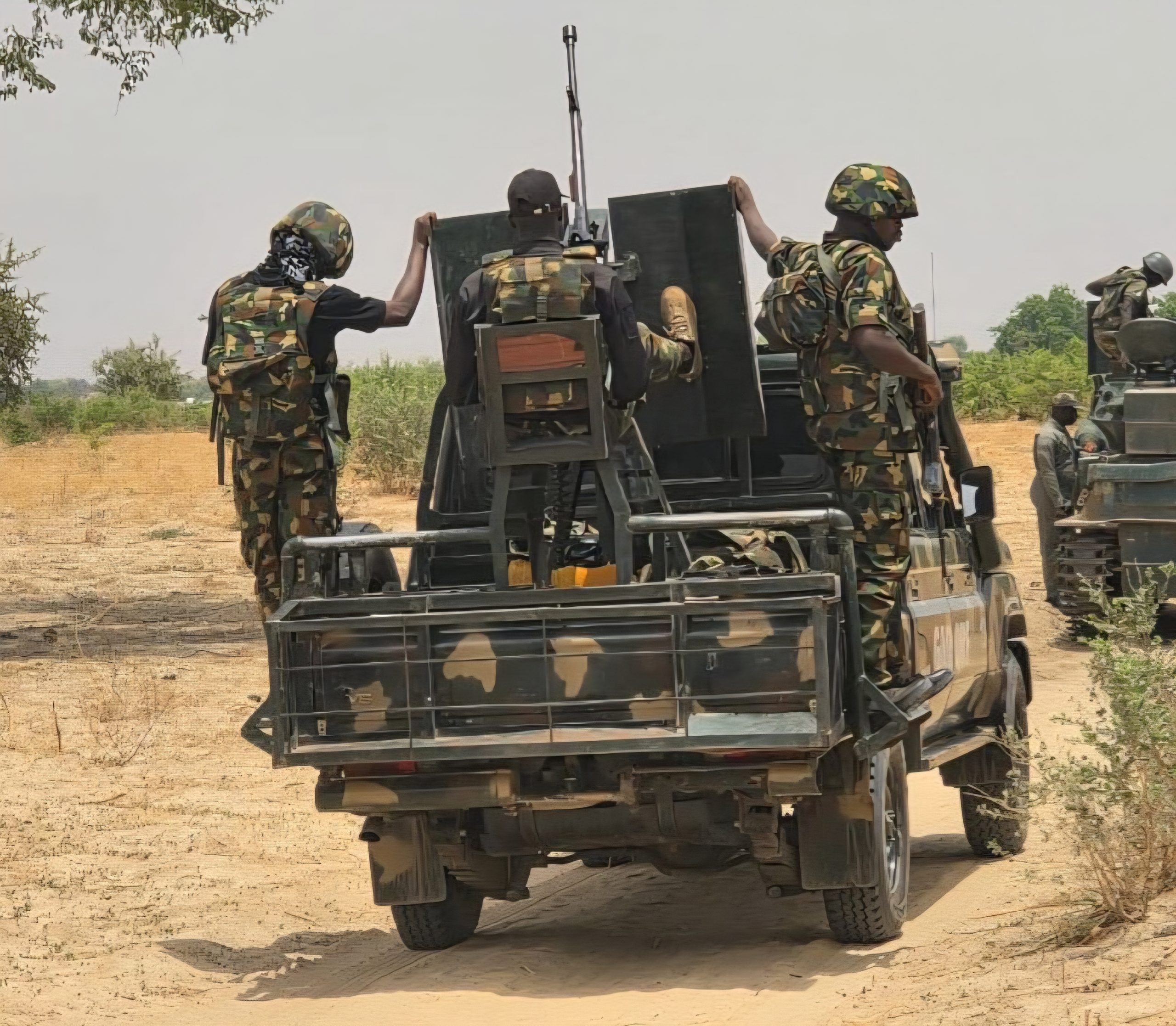
The Corps’ operational relevance became particularly evident during the height of the Boko Haram insurgency in the North-East. When former President Muhammadu Buhari directed all Service Chiefs to relocate to Maiduguri to intensify military operations against insurgents, the NSCDC also deployed its Assistant Commandant General in charge of Operations to the theatre in support of the national security effort.
That deployment underscored the confidence reposed in the Corps and highlighted its role as a critical partner in Nigeria’s counter-terrorism strategy.
Since then, NSCDC personnel have continued to serve alongside members of the Nigerian Armed Forces and other security agencies in joint task force operations across the country. Their operations have targeted insurgents, bandits, kidnappers, oil thieves, vandals, and other criminal elements threatening national stability.”
Kelechi said: “Beyond combat support operations, the Corps has distinguished itself in intelligence gathering, surveillance, crisis response, and the protection of strategic national infrastructure, including power installations, pipelines, telecommunications facilities, and mining sites.
Its personnel have also been deployed in several conflict-prone communities where they have contributed to peace-building efforts, law enforcement, and the protection of vulnerable populations.
The sacrifices made by NSCDC officers and men in the course of these assignments have been considerable. Several operatives have lost their lives while participating in joint security operations, while many others have sustained injuries in the line of duty.”
.
Security analysts affirm these sacrifices reflect the Corps’ growing significance within Nigeria’s evolving security framework and demonstrate its willingness to share the burden of securing the nation.
Kelechi insisted that the performance and contributions of the Corps should be evaluated based on its operational achievements and statutory mandate rather than perceptions that seek to diminish its role.
He further stressed that contemporary security challenges require a coordinated approach involving all security institutions, with the NSCDC continuing to play a strategic role in preserving national peace, protecting critical assets, and supporting the overall security objectives of the Federal Government.