 Keji Mustapha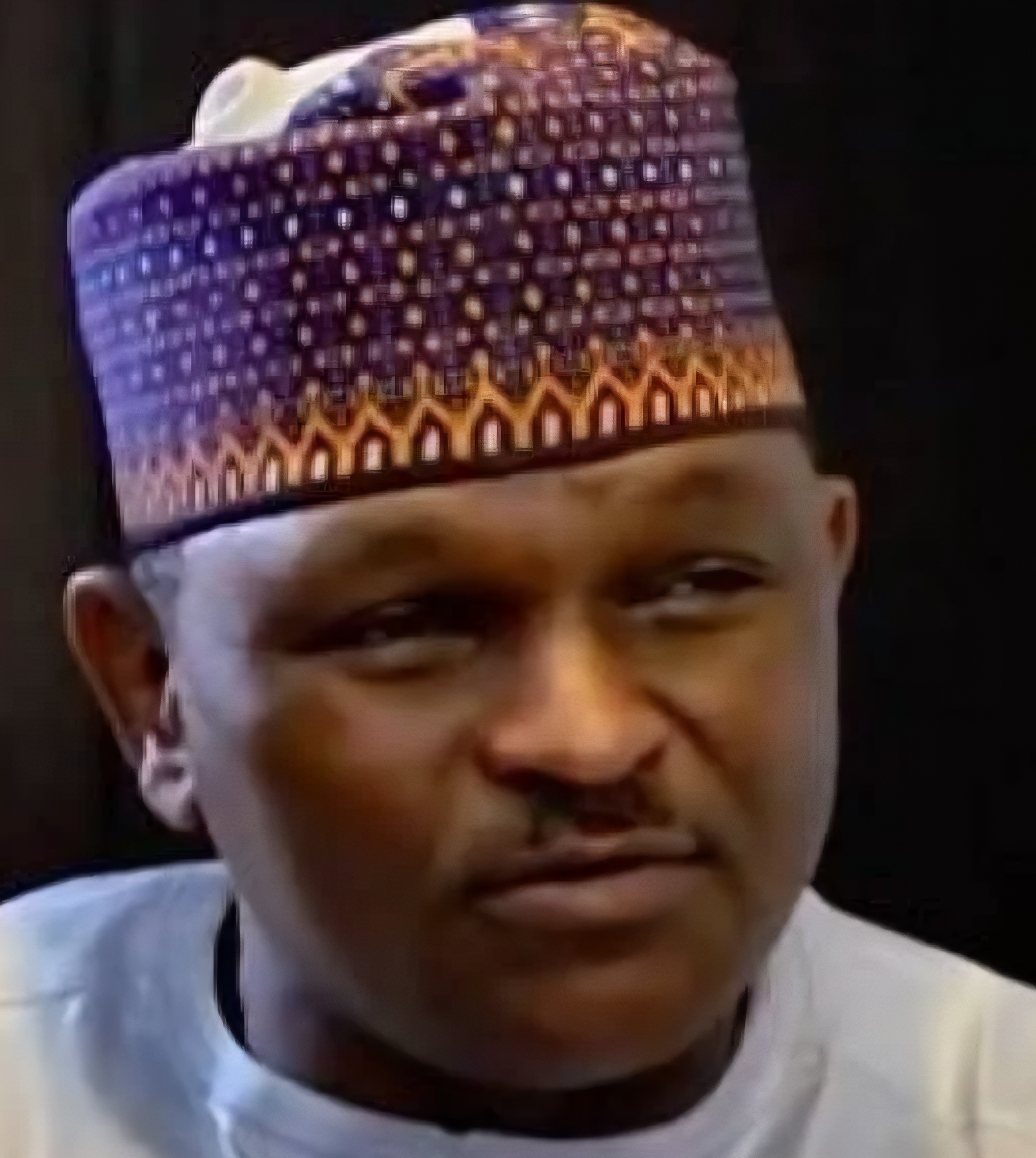
By Tunji Braimoh, Abuja
Former Chief Security Officer to late Head of State, General Sani Abacha, Major Hamza Al-Mustapha (retd.), has dismissed claims made by a former Department of State Services (DSS) operative regarding the circumstances surrounding the military ruler’s death, describing the account as untrue and misleading.
The controversy followed the publication of a book by retired DSS Assistant Director, Dennis Amachree, in which he reportedly recounted General Abacha’s final movements and the events leading up to his death in June 1998.
Speaking with journalists after the Memorial Conference held in honour of the late General Hassan Usman Katsina at Arewa House in Kaduna on Saturday, Al-Mustapha strongly disputed Amachree’s version of events and urged Nigerians to disregard the claims.
According to him, the account presented in the publication does not reflect what transpired during the final hours of the former Head of State.
Al-Mustapha alleged that the narrative was deliberately fabricated and insisted that he possesses evidence capable of contradicting the claims contained in the book.
He maintained that records in his possession, including what he described as video evidence of the events surrounding Abacha’s death, support his position that the former DSS officer’s account is inaccurate.
The retired army officer, however, did not provide further details about the alleged evidence or indicate whether it would be made available to the public.
He criticised attempts to make allegations against individuals who are no longer alive to defend themselves, arguing that such claims should be treated with caution.
Al-Mustapha further called on Nigerians to ignore what he described as falsehoods and focus on verifiable facts regarding one of the most debated episodes in the nation’s political history.
General Abacha came to power on November 17, 1993, following a military takeover and remained Nigeria’s Head of State until his sudden death at the Presidential Villa in Abuja on June 8, 1998.
At the time, the Federal Government announced that the military ruler died after a brief illness. However, the circumstances surrounding his death have continued to generate speculation and conflicting accounts over the years.
Various former military officers, intelligence operatives, diplomats and political figures have offered differing narratives through books, interviews and public commentaries, leading to sustained debate about what transpired during Abacha’s final moments.
As one of the late leader’s closest associates during his administration, Al-Mustapha has repeatedly challenged accounts he believes distort the legacy of the former Head of State or misrepresent events that occurred during that period.
His latest intervention adds another chapter to the long-running controversy over Abacha’s death, a subject that remains one of the most contentious issues in Nigeria’s contemporary political history.