 Keji Mustapha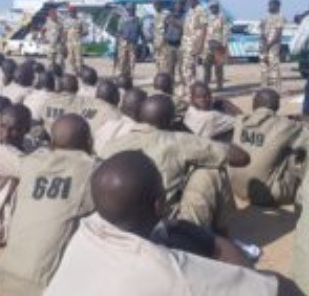
The Borno State Government has defended the reintegration of repentant terrorists into society, assuring the public that measures have been put in place to discourage them from returning to insurgency after undergoing rehabilitation and deradicalisation programmes.
The Commissioner for Women Affairs and Social Development in Borno State, Zuwaira Gambo, stated that one of the final stages of the rehabilitation process involves the former insurgents taking an oath with the Quran, which she described as a significant deterrent against re engaging in terrorism.
Speaking during an interview aired on News Central Television on Monday, Gambo explained that the oath taking forms part of the “Borno Model” rehabilitation process designed for repentant insurgents.
According to her, “When they come to us through all the processes of the Borno Model, the last thing they do is take an oath with the Quran. Once you swear with the Quran, you know the implication.”
She added that fears that the rehabilitated individuals may return to the bush were understandable, but argued that such persons would face consequences from insurgent groups if they attempted to rejoin them.
“People assume they will go back to the bush. They may, but they are dead on arrival. The moment you surrender to constituted authority, you become an infidel to them,” she stated.
The Commissioner, however, acknowledged that inadequate funding remains a major challenge affecting the sustainability of the rehabilitation and reintegration programme.
She noted that government agencies are often confronted with the responsibility of feeding, clothing, educating, and rehabilitating large numbers of former insurgents and other beneficiaries.
Her comments come amid growing public debate over the Federal Government’s De radicalisation, Rehabilitation and Reintegration initiative under Operation Safe Corridor.
On April 19, reports emerged that 744 former terrorists completed the programme and were scheduled for reintegration into society. Of the number, 597 were from Borno State, while others came from Adamawa, Yobe, Kano, and other states.
The development generated widespread reactions from stakeholders, many of whom raised concerns about transparency, accountability, justice for victims, and the long term security implications of reintegrating former insurgents into local communities.
President of the Nigerian Bar Association, Afam Osigwe, said the policy was not entirely misplaced but warned that reintegration efforts must also address the concerns and trauma of victims affected by insurgency.
He stated that reintegrating individuals accused of violent crimes without adequate engagement with victims could create the impression that perpetrators were being rewarded while victims were neglected.
Similarly, Amnesty International Country Director, Isa Sanusi, called for greater transparency in the process.
Sanusi stressed that while international law supports the reintegration of repentant fighters, the Nigerian authorities must clearly disclose the identities of beneficiaries, their roles during the insurgency, and the level of crimes allegedly committed before their rehabilitation and reintegration into society.