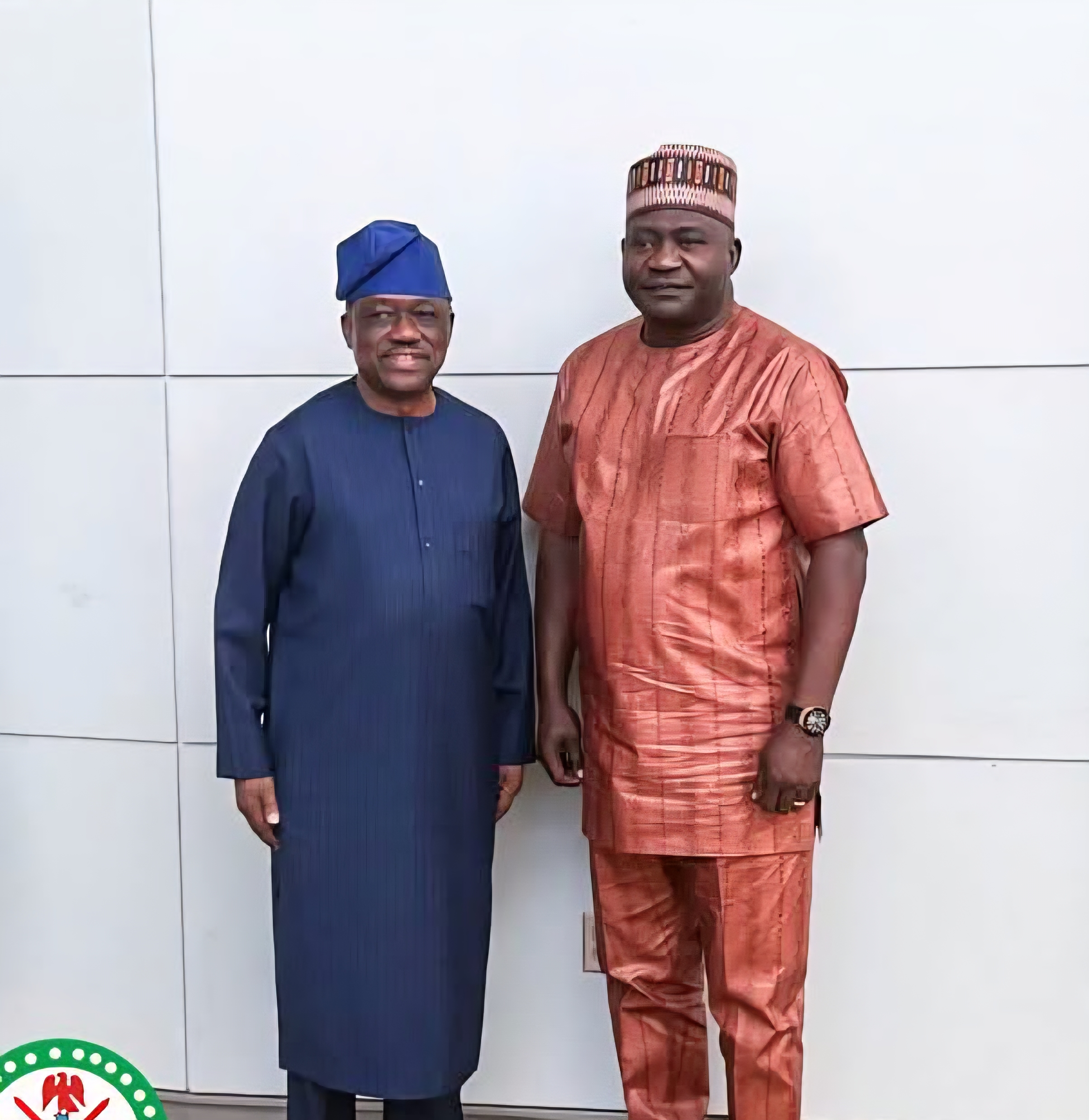
 Keji Mustapha
Pix: General Christopher Musa
By: Isiaka Mustapha, Chief Operating Officer/Editor-In-Chief, People’s Security Monitor
From the moment retired General Christopher Musa, formerly Chief of Defence Staff, assumed the role of Nigeria’s Defence Minister, it became clear that his approach to national security would be anything but ordinary. His reputation for disciplined professionalism carried expectations, but Musa’s first speeches in office suggested something deeper: a belief that Nigeria’s security challenges are not merely military problems but national ones that demand strategic clarity, institutional reform, and citizen engagement.
Listening to Musa speak at national security forums, one hears a pattern. He does not talk in abstract slogans. He talks in action items, coordinated intelligence sharing, restored morale for troops, and systems that close gaps between intent and result. For many Nigerians who have grown weary of vague assurances, this emphasis on measurable outcomes offers a fresh breath of pragmatic optimism.
The Minister’s insistence that no single agency can secure the nation alone is more than diplomatic language. It underscores a fundamental shift from isolated operations to a collaborative model that values input from the military, police, Ministry of Interior agencies, and even civic organizations. In a country where overlap and jurisdictional confusion have long undermined security efforts, this stance feels overdue.
Equally noteworthy is Musa’s focus on technology as an enabler and not a solution in itself. Initiatives such as digital information systems are not glamorous talking points but practical tools that can reduce bureaucratic delay, improve accountability, and allow commanders in the field to respond faster to evolving threats. In an age where insurgents and criminal networks adapt quickly, outdated processes are vulnerabilities and not traditions.
One of the most courageous aspects of Musa’s approach has been his public condemnation of ransom negotiations. He has challenged the long-standing practice of paying kidnappers to secure the release of captives, arguing that it fuels criminal economies and emboldens perpetrators. This stance will not be easy to implement and it will demand a safety net for vulnerable communities. Yet refusing to placate criminals with cash is a statement of principle that may, in time, weaken cycles of crime that erode public safety.
But Musa’s strategy does not paint security as solely a matter of force. He has repeatedly drawn attention to the social and economic conditions that incubate extremism and violence, including poverty, unemployment, and inadequate local governance. By linking military strategy to social development, he pushes Nigeria to confront the root causes that often go unaddressed in conventional defence planning.
Under his watch, there has been a visible emphasis on training and professional development within the armed forces. This is not merely about drilling soldiers; it is about cultivating strategic thinking, adaptability, and confidence in confronting a broad spectrum of threats. When soldiers and officers feel well prepared, their effectiveness and resilience improve, and that boosts public trust in the institutions that protect them.
General Musa has also recognized the value of regional cooperation. Security threats in West Africa do not respect national borders, and his efforts to deepen intelligence sharing and coordinated responses with neighboring states reflect an understanding that Nigeria’s safety is measured not just within its borders but in partnership with others.
Improving troop welfare has also been a consistent theme. It is a simple truth that a well-supported and motivated military is more effective. Health care, timely pay, and family support systems are not luxuries but essential foundations for morale. Musa’s emphasis on these areas communicates respect for those who serve and acknowledges that the human element of defence matters as much as strategy and equipment.
There is a human dimension to Musa’s leadership that is often overlooked in discussions about security policy. In press briefings and public statements, he repeatedly frames security as a shared responsibility, a collective endeavor that includes citizens, communities, and families. This inclusive language fosters a sense of shared ownership that is rare in defence narratives.
I have watched analysts debate the merits of Musa’s policies, and what stands out is that even critics rarely dismiss his intentions. Instead, they often argue about feasibility, resource constraints, or implementation timelines. That speaks to the sincerity of his vision; it is not hollow rhetoric but a framework that invites scrutiny, debate, and refinement.
Observers who pay attention to defence culture will note another significant shift, the attempt to normalize accountability. Musa has emphasized that strategic outcomes must be measured and that leaders at every level are responsible for both successes and failures. This insistence on accountability is not punitive but corrective, designed to foster a culture where mistakes are learning moments and excellence is rewarded.
Sometimes the most meaningful statements from Musa are not the loud ones but the quiet reassurances that the Ministry is listening to frontline commanders, community leaders, and civil society. Security policy divorced from the lived realities of citizens and soldiers alike is destined to fail. His approach suggests a deliberate effort to make policy responsive and not detached.
In conversations with military veterans, I have heard respect for Musa’s insistence on restoring dignity to defence institutions. That respect is not blind; it is rooted in the belief that a defence establishment that values its people and engages with its critics is stronger for it. When institutions earn public confidence, society as a whole is better positioned to confront shared threats.
Certainly, challenges remain. Nigeria’s security landscape is complex, dynamic, and often unforgiving. There are no quick fixes. But the very act of confronting complexity with transparent strategy rather than obscuring it with vague claims marks a significant departure from past practice.
In a country where public confidence in security institutions has at times been fragile, General Musa’s emphasis on strategic coherence and collaboration offers a stabilizing counterpoint. It suggests that security is not merely a battle to be fought but a system to be strengthened.
As Nigeria navigates the difficult terrain of insecurity, economic strain, and social fragmentation, leadership that blends discipline, clarity, and empathy is essential. In that context, Musa’s vision, while not perfect, provides a template that prioritizes long-term resilience over short-term optics.
Ultimately, the effectiveness of any Defence Minister will be judged not by speeches but by lives saved, communities protected, and the gradual expansion of safe spaces for ordinary Nigerians. Under the framework General Musa champions, there is reason to believe that the strategic revamp of Nigeria’s security is not just a phrase but a tangible objective with real stakes.