 Keji Mustapha
Amid escalating killings, mass abductions, and widespread security failures across the country, several state Houses of Assembly have begun considering the creation of state police — a reform long debated and recently backed by President Bola Tinubu as part of ongoing constitutional amendments.
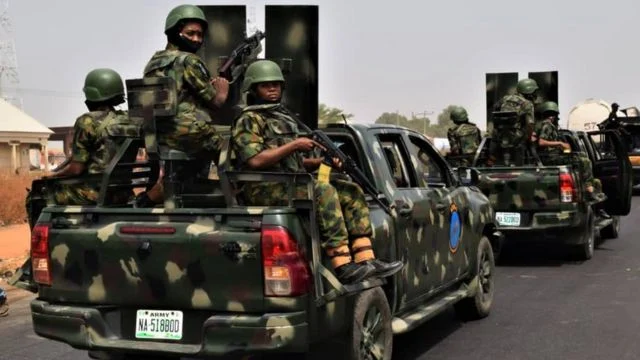
Nigeria continues to witness a resurgence of violent banditry, terrorist attacks, and rampant kidnappings that overwhelm overstretched federal security agencies. With fewer than 400,000 federal police officers protecting a population of over 200 million, large communities remain exposed, a gap analysts say fuels the growing insecurity.
Last week, President Tinubu declared a national security emergency and directed security agencies to increase recruitment. He also urged the National Assembly to pass legislation enabling states to establish their own police forces where necessary. The proposal is now before the National Assembly’s constitution review committee and will soon be transmitted to the 36 state assemblies, according to Deputy Speaker Benjamin Kalu.
In Plateau State, one of the regions worst hit by violent attacks, lawmakers expressed readiness to support the creation of state police. A senior source said the Assembly is committed to any measure that can end the persistent violence. Speaker Daniel Naalong also wrote an open letter to the National Assembly urging quick action, stressing that while concerns about political misuse exist, the protection of human life must come first. Communities in Bokkos, Barkin Ladi, Bassa, Mangu, Riyom, Wase, Qua’an Pan, and Jos South have suffered repeated deadly assaults, leaving thousands dead and displaced.
In Sokoto State, legislators said they are prepared to fast-track any bill establishing state police. A ranking member noted that the Assembly previously created the Community Guard Corps, which has been successful, and expressed confidence that coordinated state policing could significantly curb attacks, especially following recent meetings of the Northern Governors’ Forum.
The Borno State House of Assembly also indicated readiness to support the reform. Assembly spokesperson Babakura Maina confirmed they would begin deliberations once the National Assembly forwards the proposal.
In Kaduna State, Governor Uba Sani called for the immediate establishment of state police, warning that the country’s centralised policing structure can no longer meet current security demands. He echoed concerns about inadequate manpower, noting that many rural communities lack any meaningful police presence.
Zamfara State, considered the epicentre of banditry, is preparing its own state police bill. Governor Dauda Lawal’s media aide, Mustafa Kaura, said the state has long desired localised policing and will soon send a bill to the Assembly. Zamfara already operates Community Protection Guards to assist security agencies.
In Kano State, deliberations will begin once lawmakers resume from recess in mid-December. Governor Abba Yusuf’s Chief Press Secretary, Kamaluddeen Shawai, said state police and other security-related matters will top the agenda. Kano currently operates a Neighbourhood Watch to boost local security.
Efforts to obtain comments from the Bauchi State Assembly were unsuccessful, though findings suggest the House had earlier supported constitutional amendments allowing state police.
In Nasarawa State, House Committee on Information Chairman Jonah Ali Dizaho said no proposal has yet been forwarded by the executive arm. However, the governor’s Senior Special Assistant on Public Affairs, Peter Ahemba, said state police would greatly improve intelligence gathering and response capacity.
Ondo State declared that it is already effectively operating a state policing model through its Security Network Agency, Amotekun. House Committee on Information Chairman Tunji Fabiyi said the state has demonstrated the viability of decentralised policing, noting that the recent approval for the recruitment of 500 additional Amotekun Corps personnel will further enhance the state’s security architecture.
Lawmakers in Gombe State have yet to begin discussions, with officials stating debate may start after an upcoming retreat in Calabar.
Across Nigeria, more states are aligning behind the push for decentralised policing. However, without constitutional amendment, no state can legally establish its own police service. All eyes now remain on the National Assembly as Nigerians await the legal backing required for states to create state police and strengthen the fight against growing insecurity.