 Keji Mustapha
The implementation of the Federal Government’s Safe Schools Initiative remains incomplete in thirty states, even as attacks on schools continue across the country.
The initiative was launched in May 2014 following the Chibok abduction and began with a ten million dollar pledge. A multi-donor trust fund was later established in partnership with the United Nations to protect education from violence.
Since then, Nigeria has signed the Safe Schools Declaration in 2015, ratified it in 2019, hosted the fourth global Safe Schools Declaration conference in Abuja, and adopted a National Policy on Safety, Security and Violence Free Schools in 2021.
The programme is supported by a one hundred and forty four point eight billion naira financing plan covering 2023 to 2026. The plan depends on contributions from the federal government, states, and international donors. However, reports indicate that only a portion of these funds has been released and that state co-funding remains inconsistent.
The slow rollout of the initiative has left schools vulnerable to attacks, discouraging enrollment and contributing to the growing number of out of school children, particularly in northern states.
On November 17, 2025, armed men attacked the Government Girls Comprehensive Secondary School in Maga, Kebbi State, abducting twenty four schoolgirls. The vice principal of the school was killed during the attack. The students were released on November 19.
A few days later, on November 21, gunmen invaded St. Marys Catholic School in the Papiri community of Agwara Local Government Area in Niger State, abducting hundreds of students and staff. Church and local officials confirmed that three hundred and three students and twelve teachers were taken in one of the largest school kidnappings in recent memory.
The attack occurred despite prior intelligence and government directives. Authorities had ordered the closure of boarding schools in the area because of security threats, but the school reportedly reopened. Several northern states have also temporarily closed schools in response to ongoing kidnappings.
Officials familiar with the initiative told our correspondent that many states have failed to provide funding or establish offices necessary for the programme to operate effectively.
The states reported to have not implemented the initiative include Abia, Adamawa, Akwa Ibom, Anambra, Bauchi, Bayelsa, Borno, Cross River, Delta, Ebonyi, Edo, Ekiti, Gombe, Imo, Kaduna, Kano, Kebbi, Kogi, Kwara, Lagos, Niger, Ogun, Ondo, Osun, Oyo, Plateau, Sokoto, Taraba, Yobe, and Zamfara.
In some states, including the Federal Capital Territory, Benue, Nasarawa, Katsina, Rivers, and Enugu, facilities were donated for the programme, but they remain unfurnished and unstaffed. Essential equipment, including electronic devices for monitoring schools, has not been provided, limiting surveillance and oversight.
Jigawa State has provided and equipped a coordination centre, but the centre has yet to be activated.
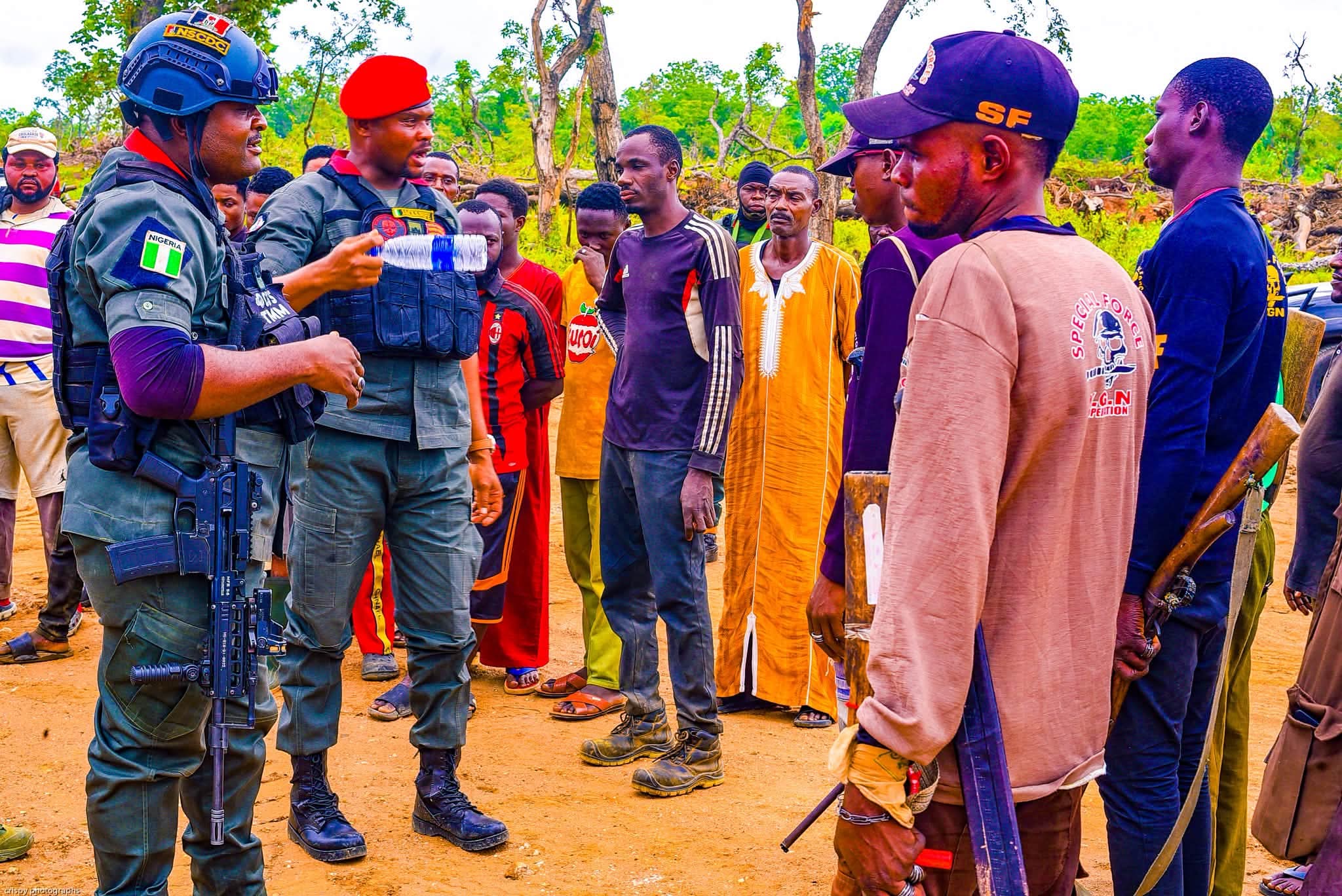
The National Safe Schools Response and Coordination Centre has registered eleven thousand five hundred and fifty schools on its central monitoring platform. Assistant Commandant General Emmanuel Ocheja, the commander of the centre, confirmed the registration and emphasised the importance of sustained funding to ensure the programme’s success.
Ocheja noted that technological upgrades, including surveillance drones and advanced command systems, are ongoing but require additional financial support. He also highlighted the need for a more sophisticated command and control centre and additional regional monitoring hubs.
The commander called on state governments to play a more active role in safeguarding schools and urged the establishment of stronger early warning systems capable of detecting potential threats before they reach school environments.
The federal government has appealed to state governors to adopt and implement the Safe School Transition Plan across their jurisdictions.
Hajia Halima Iliya, the National Coordinator of Financing Safe Schools in Nigeria, reaffirmed the government’s commitment to the initiative. She stated that the administration has demonstrated political will to implement policies aimed at securing schools and announced the approval of the 2026 to 2030 Transition Plan for safer schools.
The continued delays in the Safe Schools Initiative highlight the urgent need for coordinated action by both federal and state authorities to protect students, teachers, and educational institutions from ongoing threats.