 Keji Mustapha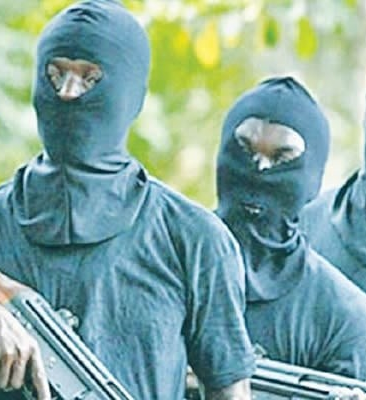
The Coalition of Northern Groups has accused both internal and external forces of orchestrating a deliberate campaign to plunge Northern Nigeria into deeper insecurity, claiming that recent attacks across the region appear timed and politically engineered.
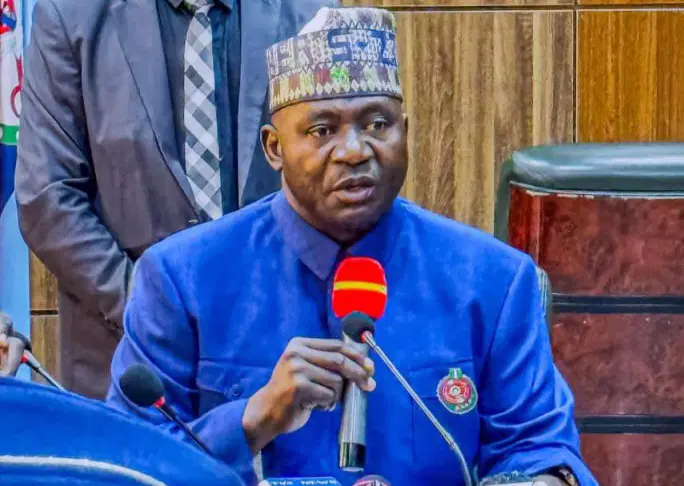
In a statement issued on Wednesday by its National Coordinator, Comrade Jamilu Aliyu Charanchi, the group alleged that the surge in violence bears “the fingerprints of a well-funded and politically motivated agenda,” insisting that the pattern goes far beyond the familiar banditry that has long troubled the North.
According to CNG, powerful foreign interests, local collaborators, and certain political actors are driving a misleading narrative designed to destabilise the region and provoke international intervention. The group accused the United States of being swayed by what it called exaggerated genocide claims focused on Plateau and Benue, while overlooking far higher casualty figures recorded in states such as Katsina, Zamfara, Kaduna, Kebbi and Borno.
Charanchi expressed concern that U.S. President Donald Trump appeared to have accepted the genocide narrative despite the position of American intelligence agencies and the U.S. Embassy in Nigeria. He noted that Trump’s special envoy on Arab and African Affairs, Massad Boulos, had previously dismissed the allegations as unfounded.
CNG argued that the timing and scale of recent attacks seem designed to validate these foreign-backed narratives.
“The escalation of violence looks calculated to give these fictitious genocide claims a semblance of truth,” Charanchi said. “The Federal Government must understand that Nigeria is confronting a coordinated internal and external conspiracy aimed at destabilising the nation.”
The coalition urged the government to expose and prosecute those—both local and foreign—who it says are fuelling misinformation. It also raised concerns that recent attacks on churches and Christian communities appear too closely aligned with external propaganda, suggesting the involvement of actors seeking to manipulate religious tensions.
CNG warned that Northern communities will not allow their suffering to be used to advance separatist, political or foreign agendas. It added that the rising insecurity has forced the closure of dozens of schools in Katsina, Niger and Kwara, a development the group described as a major setback for a region already battling a high number of out-of-school children.
The coalition linked a series of kidnappings across Kwara, Kebbi, Niger and Zamfara to a wider political plot, citing the abductions of worshippers in Kwara, schoolgirls in Kebbi and 315 students and teachers in Niger State, as well as the killing of a Brigadier General. It also referenced the kidnapping of 64 residents in Tsafe, Zamfara, which occurred during a visit by the Minister of State for Defence, Bello Matawalle, calling it a “warning that insecurity is being weaponised.”
CNG condemned what it described as toxic misinformation on social media, including a viral video claiming that IPOB operatives disguised themselves as Hausa or Fulani attackers to provoke ethnic conflict. It described such content as part of a broader effort to inflame ethnic divisions and undermine national unity.
The group issued a series of demands to the Federal Government, accusing the Tinubu administration of allowing insecurity to worsen due to inconsistent and indifferent leadership. It called for the arrest and prosecution of all sponsors of terrorism, including politicians, businessmen, clerics and compromised security operatives.
CNG also urged the government to track and dismantle international networks funding mass abductions and insisted that Service Chiefs be deployed to remain in affected regions until terrorist structures are destroyed.
Furthermore, the coalition demanded the creation of a high-level monitoring committee to provide transparent and regular updates on national security. It urged federal and state governments, alongside traditional rulers, to strengthen cooperation and push for immediate closure and protection of Nigeria’s porous borders to curb the movement of criminal elements and illegal weapons.