 Keji Mustapha
By Isiaka Mustapha, Chief Operating Officer/Editor-in-Chief, People’s Security Monitor
The appointment of new Service Chiefs by President Bola Ahmed Tinubu represents a pivotal moment in Nigeria’s ongoing pursuit of national security and stability. The nation watches with measured optimism as these military leaders take office, facing persistent security challenges while tasked with building on the notable accomplishments of their predecessors.
In recent years, Nigeria’s security landscape has experienced both progress and persistent threats. Data from the Armed Forces of Nigeria reveal that over 25,000 insurgents and bandits were neutralised between 2021 and 2024, while more than 50,000 captives, including women and children, were rescued across various theatres of operation. These figures underscore the success of joint military operations such as Operation Hadin Kai, Operation Safe Haven, and Operation Whirl Stroke. The new Service Chiefs inherit these gains but must also address the gaps that still threaten peace and national cohesion.
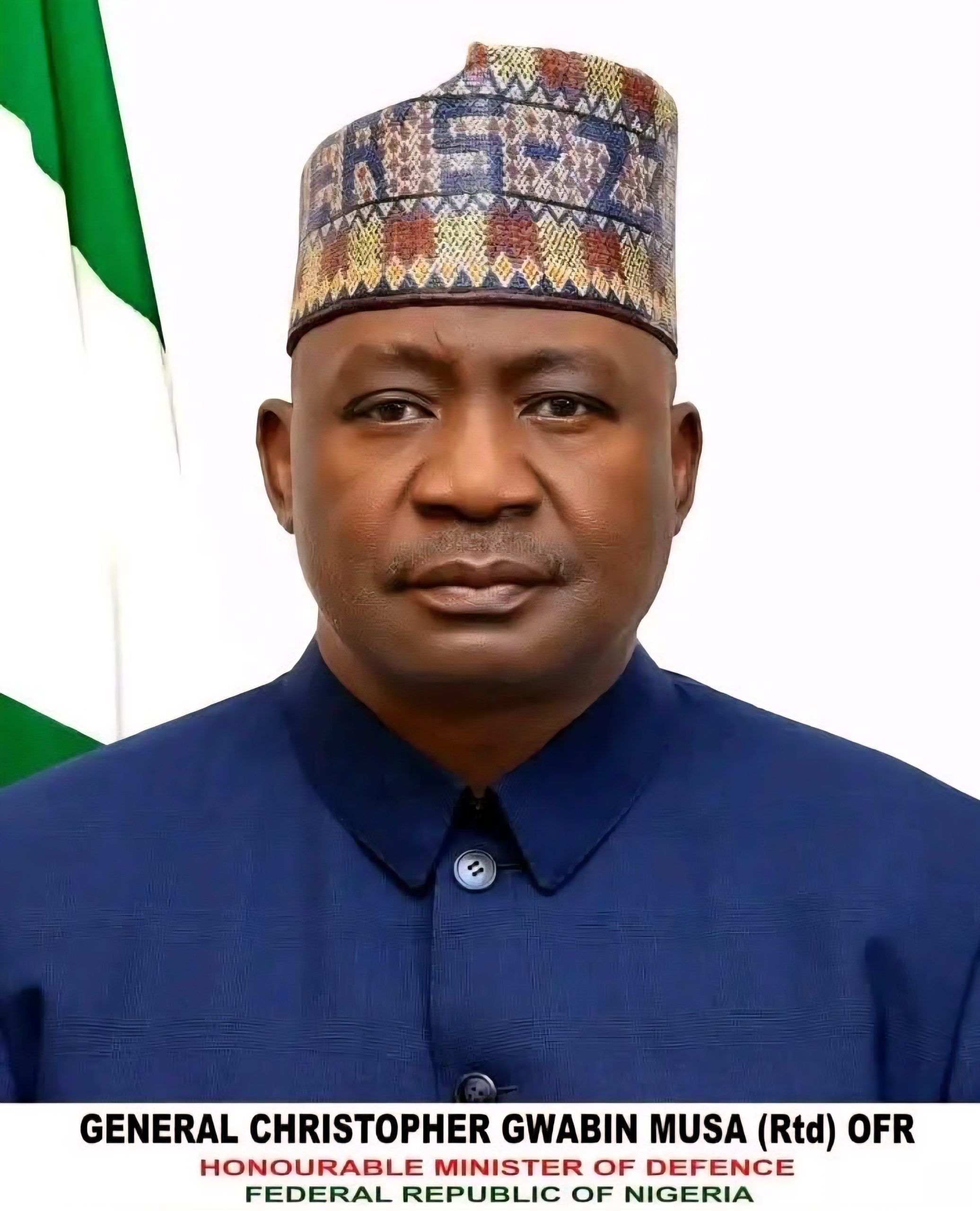
The outgoing Chief of Defence Staff, General Christopher Musa, is credited with strengthening joint inter-agency collaboration and introducing operational reforms that improved troop morale and accountability. Under his watch, the Armed Forces also recorded significant improvements in air-ground synergy and the deployment of new combat technologies, particularly in the North East and North West. However, despite these achievements, Nigeria continues to face the dual threat of terrorism and banditry, which accounted for over 5,800 deaths and 4,200 abductions in 2024, according to data from the Global Terrorism Index.
For the new Chief of Defence Staff, Lieutenant General Olufemi Olusola Oluyede, the task ahead is both daunting and strategic. He must build upon the established operational frameworks while re-evaluating the overall counterterrorism strategy to ensure greater intelligence sharing among the Army, Navy, Air Force, Police, and Civil Defence Corps. Fragmented communication among security agencies has often resulted in delayed responses and operational redundancies, a situation that must be urgently addressed.
The Nigerian Army, now under new leadership, faces the immediate challenge of consolidating gains in the fight against insurgency. The introduction of the Special Forces Brigade and Mining Marshals Unit under the Nigeria Security and Civil Defence Corps (NSCDC) has shown promising results in curbing illegal mining and funding of insurgent groups. The Army must strengthen these collaborations and integrate economic intelligence into its security planning, as over 40 percent of terrorist financing has been linked to illegal natural resource extraction.
For the Nigerian Navy, maritime security remains critical to national stability and economic survival. With the Gulf of Guinea contributing over 70 percent of Nigeria’s foreign exchange earnings through crude oil exports, the Navy’s vigilance is vital. Data from the International Maritime Bureau (IMB) show that piracy incidents in Nigerian waters dropped from 35 in 2020 to 7 in 2024, thanks to the Deep Blue Project and enhanced maritime surveillance systems. The incoming Chief of Naval Staff must sustain this downward trend and expand capacity for coastal monitoring to protect the nation’s blue economy.
The Nigerian Air Force also has a pivotal role in sustaining air superiority across combat zones. The force has made remarkable progress with the acquisition of new aircraft, including the JF-17 Thunder, Super Tucano, and King Air ISR platforms. However, the Air Force must now move towards full integration of drone warfare technology, real-time reconnaissance, and satellite-enabled targeting systems. These innovations will be crucial in enhancing precision strikes and reducing collateral damage in civilian-populated areas.
Similarly, the Defence Intelligence Agency (DIA) must deepen its human intelligence network, particularly in rural and border communities where bandits and insurgents operate. Intelligence failures have often preceded major attacks, including the 2022 Kuje Prison break and the 2023 Shiroro ambush. A restructured intelligence architecture that combines local community inputs with advanced cyber monitoring will be indispensable in preventing such lapses.
Another pressing task before the new Service Chiefs is the improvement of troop welfare. Reports from the Armed Forces Health Department indicate that between 2021 and 2024, over 2,000 personnel sustained life-changing injuries in various combat operations. The establishment of rehabilitation centres, mental health programmes, and a more transparent compensation structure must be prioritised to boost morale and maintain professionalism within the ranks.
Civil-military relations also demand renewed focus. The public’s perception of the military has improved considerably in the last three years, yet issues of human rights violations and excessive use of force remain recurring. The new leadership must strengthen military accountability mechanisms and reinforce adherence to international humanitarian laws in all operations.
Training and capacity building must not be overlooked. With the changing nature of warfare and the rise of cyber threats, the Armed Forces must invest in advanced tactical, digital, and leadership training. Nigeria’s defence academies should partner with global institutions to develop a new generation of officers skilled in artificial intelligence, cybersecurity, and drone operations.
The financial dimension of security operations also requires careful attention. According to the 2025 national budget, the defence sector received an allocation of 3.25 trillion naira, representing about 12 percent of total government expenditure. The efficient utilisation of these funds will determine the success or failure of ongoing reforms. Transparency, proper auditing, and procurement discipline must therefore be non-negotiable under the new administration.
The Service Chiefs must also strengthen collaboration with regional and international partners. The resurgence of cross-border terrorism in the Lake Chad Basin and Sahel region calls for closer ties with neighbouring countries such as Niger, Chad, and Cameroon. Joint operations under the Multinational Joint Task Force (MNJTF) have yielded positive results, but intelligence sharing and logistics coordination need to be further enhanced.
On the domestic front, synergy with non-state actors, vigilante groups, and traditional institutions remains essential in early warning and community policing. The Armed Forces must adopt people-centred security models that prioritise local intelligence and civilian participation without compromising professionalism or the rule of law.
The security of critical infrastructure, including railways, power installations, and communication networks, also demands renewed focus. In 2024 alone, Nigeria recorded over 130 attacks on railway facilities and 210 incidents of vandalism on power lines. Protecting these assets is vital to sustaining economic growth and national confidence.
The new Service Chiefs must therefore strike a balance between kinetic and non-kinetic approaches to security. While military action remains necessary, dialogue, deradicalisation, and socio-economic reintegration of repentant fighters must form part of the broader national strategy. The success of the North East Stabilisation Programme demonstrates that peacebuilding and development can coexist with counterterrorism efforts.
Finally, the Service Chiefs must remember that security is not a military task alone but a shared national responsibility. Their leadership must inspire trust, discipline, and a renewed sense of patriotism across all levels of the Armed Forces. By consolidating on past gains, embracing innovation, and fostering unity of command, Nigeria can achieve lasting peace and stability.
The road ahead is undoubtedly tedious, but with commitment, integrity, and strategic vision, the new Service Chiefs can lead Nigeria’s Armed Forces toward a safer, stronger, and more prosperous future.