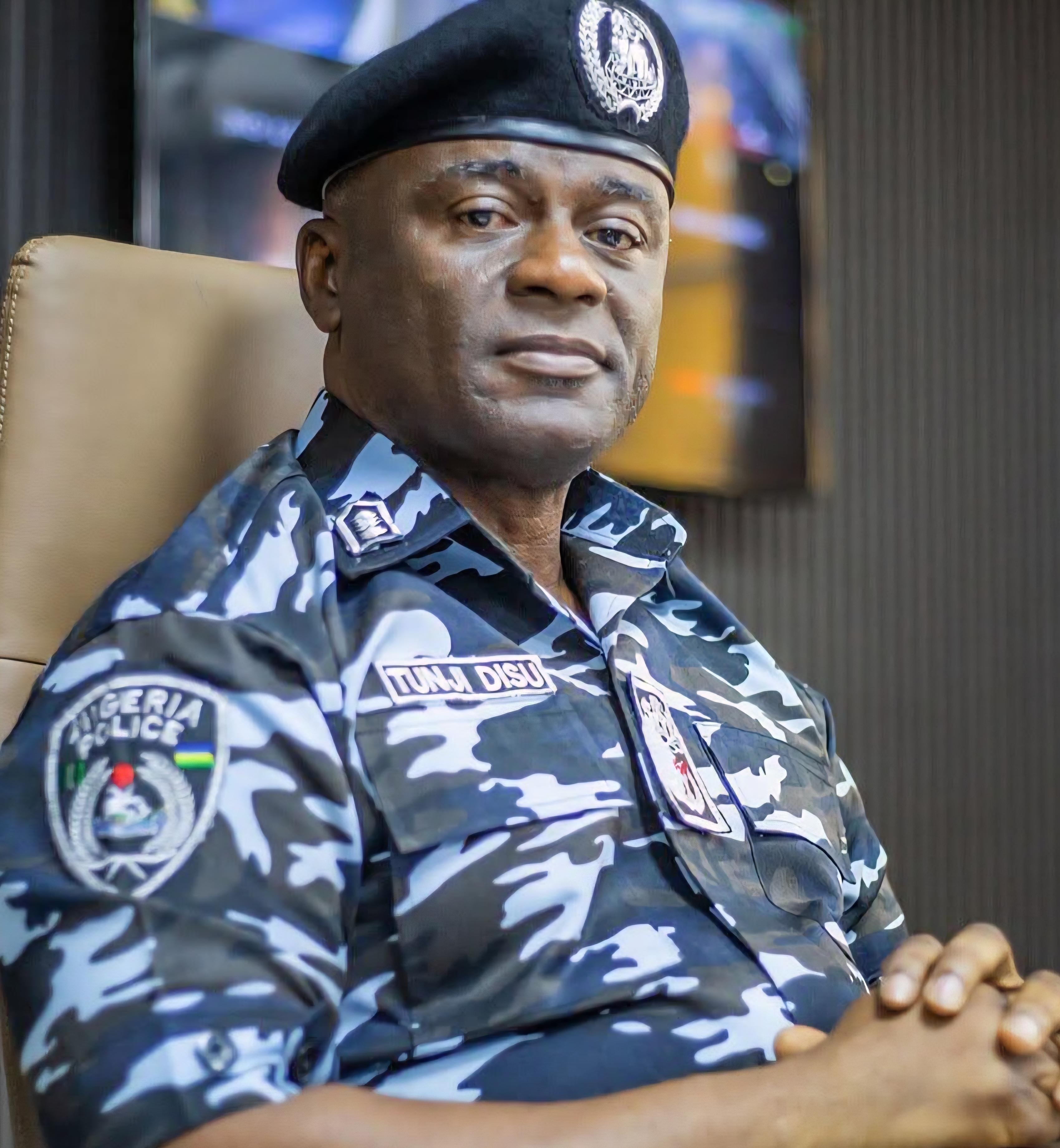
 Keji Mustapha
By Isiaka Mustapha, Chief Operating Officer/Editor-In-Chief, People’s Security Monitor
President Bola Ahmed Tinubu’s recent overhaul of Nigeria’s military hierarchy was as bold as it was unsettling. In a single stroke, he removed virtually all the service chiefs, sparing only the Army Chief who was instead promoted to Chief of Defence Staff. It was a move that signaled authority and urgency, but also revealed the fragility of Nigeria’s political and security landscape.
The timing was not accidental. The shake-up came on the heels of widespread rumours of an attempted coup and quiet reports of the detention of some officers earlier in October. Against such a backdrop, the President Tinubu’s decision seemed less about routine restructuring and more about preemptive control; an effort to extinguish whispers before they could catch fire.
The presidency framed the reshuffle as an operational necessity, a bid to inject new energy into the fight against Nigeria’s many security crises. From Boko Haram insurgency in the northeast to banditry in the northwest and separatist tensions in the southeast, the country’s military apparatus is stretched thin. The government’s line is that fresh leadership would mean renewed discipline and sharper coordination.
Yet, even well-intentioned changes carry risks. In a system where loyalty often competes with professionalism, a sudden purge of top commanders can breed anxiety within the ranks. It sends a signal; one that says trust is conditional and power is constantly under review. When such a message flows down the chain of command, it can either reassert discipline or corrode morale.
Tinubu’s decision to elevate the sitting Army Chief rather than dismiss him like the others was an important nuance. It preserved an element of continuity within disruption. That single act could be interpreted as strategic consolidation, the President keeping one proven loyalist in place to stabilize a suddenly altered command environment. But in Nigeria’s delicate military politics, it could also appear as favoritism, an attempt to centralize influence around one figure.
The political optics were immediate. Opposition figures and civic groups questioned whether the shake-up addressed any real structural deficiencies or merely tightened the president’s grip on power. In an era where Nigeria’s citizens are increasingly skeptical of political motives, abrupt changes without open explanation risk being seen as power plays rather than reform.
Operationally, the effects could cut both ways. On one hand, new commanders can bring fresh ideas, new urgency, and renewed vigour to long-stagnant security operations. On the other, rapid leadership changes can disrupt planning cycles and coordination between the services, especially in the middle of active counterinsurgency and anti-banditry campaigns. Command continuity, not just competence, often decides success in such theaters.
Legally, Tinubu acted within his constitutional authority. Nigerian Presidents have broad powers to hire and fire the military top brass. But legality is not the same as prudence. When leadership reshuffles appear reactive rather than methodical, they can create an impression that military governance depends more on political survival than on institutional evaluation. That perception weakens both civilian oversight and military professionalism.
The international dimension cannot be ignored. West Africa has endured a wave of coups in recent years, from Mali to Niger, and global observers watch Nigeria’s stability with intense interest. The timing of Tinubu’s action, coinciding with coup rumours, inevitably invited scrutiny. Even allies saw in it an attempt to preempt the kind of military disloyalty that has toppled governments across the region.
Within Nigeria, the move could complicate delicate regional balances. Military appointments have always been read through the country’s complex ethnic and geopolitical lens. If the new lineup is seen as skewed toward one region or network, it risks stoking old resentments. Discontent within the ranks can easily morph into broader political unease, especially when the public mood is already sour over economic hardship and inflation.
At the same time, the reshuffle could deliver a short-term morale boost among officers who see it as a signal of accountability, proof that complacency will no longer be tolerated. If the new service chiefs act swiftly and effectively, Tinubu’s decisiveness may be vindicated. The danger lies in the perception that the action was driven by fear rather than foresight.
What this episode lays bare is the delicate line between decisiveness and defensiveness. Tinubu’s leadership style, marked by quick political maneuvers, is becoming his signature. Yet the military is not a political party; it is an institution that depends on cohesion, hierarchy, and mutual trust. Shake it too hard and the whole structure trembles.
For Nigeria, stability is not a luxury. The country is battling multiple internal wars while its economy strains under reform shocks. The President’s instinct to demonstrate control is understandable. But control without clarity can easily turn into coercion, and coercion breeds uncertainty, the very condition a leader seeks to avoid.
To steady the ship, the government must communicate clearly why these changes were made, what metrics will define success, and how institutional independence will be safeguarded. The secrecy surrounding the coup rumours and the abruptness of the reshuffle have left the public guessing. Transparency is not a weakness; in moments of tension, it is the strongest form of reassurance.
The stakes are not confined to Abuja. Every decision at the top ripples across field units in Maiduguri, Zamfara, and Anambra. Soldiers on the ground need clarity, not confusion. They must believe that the changes above them are rooted in strategy, not in politics. That belief determines whether they fight with conviction or with hesitation.
Tinubu’s reshuffle is therefore both a test and a signal. It tests the resilience of Nigeria’s armed forces under political pressure, and it signals the President’s intent to project control in an uncertain time. Whether history will judge it as an act of leadership or of insecurity will depend on what follows.
If the new chiefs deliver measurable improvement in coordination and discipline, Tinubu’s decision will look prescient. If internal distrust deepens and operations falter, it will appear reckless. The next few months will reveal which it is.
In the end, the move was less about personnel than about power. Tinubu has chosen to redefine loyalty as the ultimate qualification for command. That may buy temporary calm, but in the long run, Nigeria needs an army loyal not to personalities, but to the republic. Until that balance is achieved, every reshuffle will carry the echo of crisis.