 Keji Mustapha
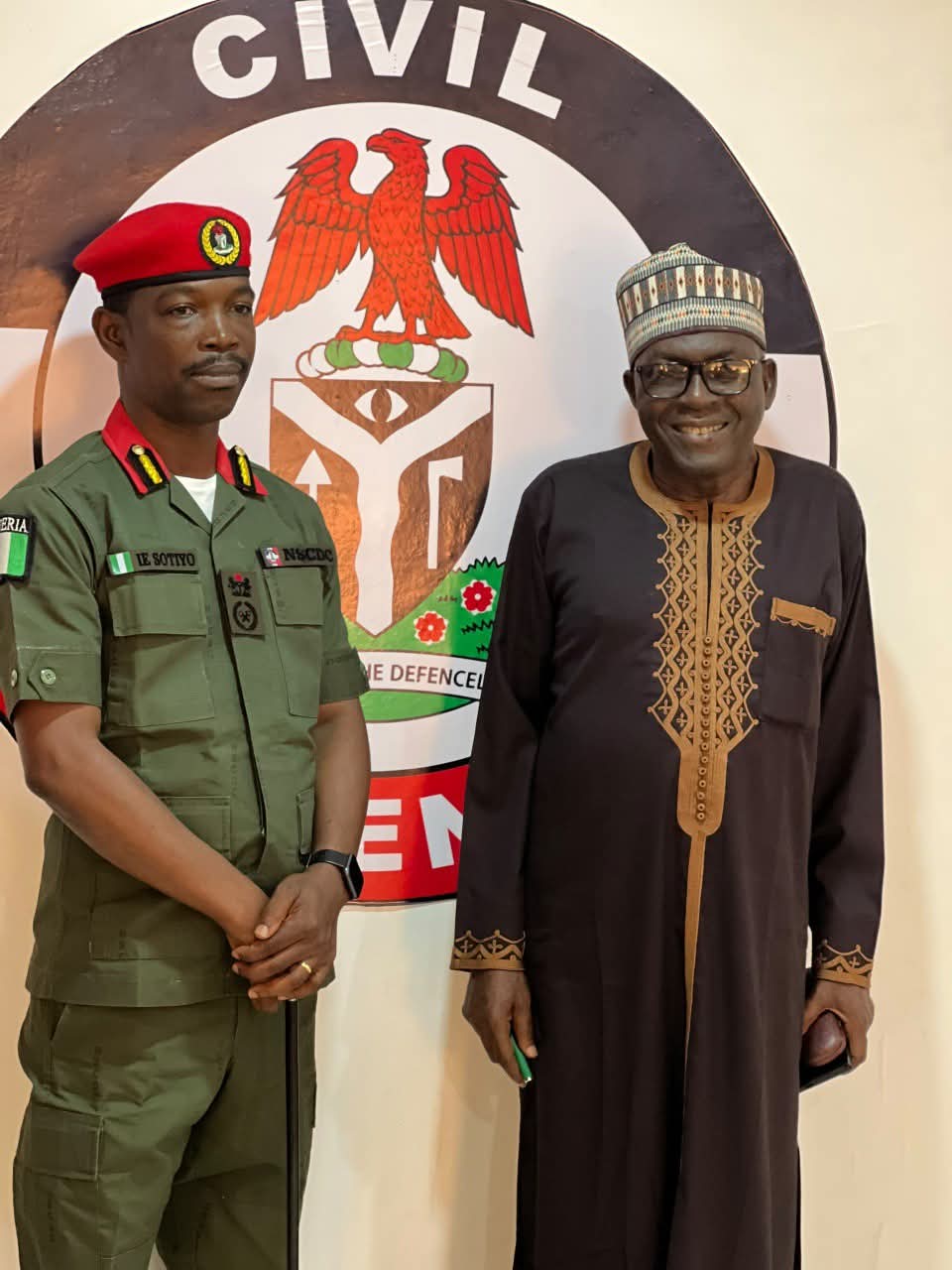
At the inauguration of the House of Representatives Ad Hoc Committee on Illegal Mining, Assistant Commander of the NSCDC Special Mining Corps, ACC Attah John Onoja, called for a more robust legal framework, stressing that strong and punitive laws are essential to deter criminals from engaging in illicit mining. He explained that illegal mining causes severe damage to Nigeria’s economy and environment, and only firm legal action can curb the menace.
ACC Onoja revealed that Nigeria loses about nine billion dollars annually to illegal mining activities, a situation that deprives the nation of critical revenue needed for infrastructure and social development. He added that since the establishment of the NSCDC Special Mining Marshals in March 2024, over five hundred suspects have been arrested across the country, while about two hundred and seventy are currently facing prosecution for offenses related to illegal mining. He warned that without tougher laws and penalties, the fight against the crime will remain an uphill task.
He also identified major challenges confronting the fight against illegal mining, including weak legislation, inadequate penalties, slow judicial processes, and the activities of well-organized criminal networks. According to him, some offenders exploit legal loopholes or enjoy protection from influential individuals, making enforcement difficult. He called on lawmakers to enact new laws that prescribe heavier fines, stricter imprisonment terms, and faster prosecution timelines to discourage offenders.
The Assistant Commander noted that many illegal mining sites are located in remote and difficult-to-access areas such as forests, hills, and riverbanks, making surveillance and enforcement expensive and risky. To overcome this, he said the NSCDC has started deploying drones, satellite mapping, and other modern surveillance technologies to detect and monitor illegal activities before carrying out targeted operations.
Onoja further highlighted the importance of inter-agency collaboration, citing the Corps’ partnership with the Raw Materials Research and Development Council as an example of effective teamwork. Through such cooperation, he said, the NSCDC now benefits from geological data, technical expertise, and forensic analysis that strengthen investigations and prosecutions of offenders.
He concluded by urging the House of Representatives Ad Hoc Committee to prioritize the review and strengthening of mining-related laws. He maintained that empowering law enforcement agencies with strong legal tools is the only way to protect Nigeria’s mineral wealth, ensure environmental sustainability, and make legitimate mining operations thrive. He assured that the NSCDC remains committed to sustaining the campaign against illegal mining with determination and professionalism.