 Keji Mustapha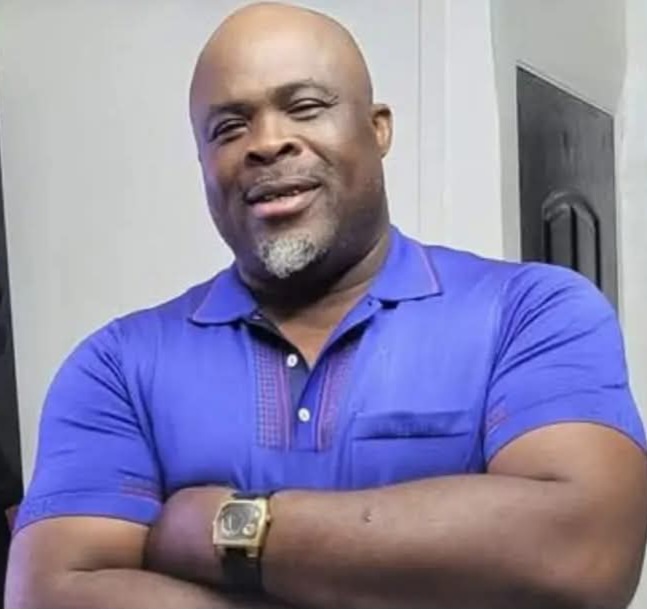
Pix: Samsideen Oladiti, better known as “Shamelon
By Isiaka Mustapha, Editor-In-Chief, People’s Security Monitor
The arrest of Samsideen Oladiti, better known as “Shamelon,” a top figure in the National Union of Road Transport Workers, has once again thrown the spotlight on the violent reputation of transport unions in Lagos. Oladiti was picked up by the police after a viral video captured him brutally assaulting a dispatch rider on Lagos Island. The rider was later rushed to hospital with serious injuries and, according to reports, did not survive. Though the matter is still under investigation and the suspect remains innocent until a court decides otherwise, the allegations are too weighty to be treated with levity. They demand nothing short of full judicial scrutiny and accountability.
It is important to stress that what we know so far is largely built on video evidence, eyewitness accounts, and police statements. The alleged assault is on record, but whether Oladiti’s actions directly caused the rider’s death is a matter for investigators and the judiciary to establish beyond reasonable doubt. Nevertheless, the seriousness of the accusation, coupled with public outrage, makes it imperative for Lagos State to ensure that this case is neither swept under the rug nor resolved through quiet settlements.
For decades, violent clashes and alleged killings tied to NURTW members have scarred the Lagos’s image and disrupted its peace. In 2015, the murder of an aide nicknamed Mamok was linked to rival union factions. Two years later, the killing of popular NURTW chieftain “Hamburger” in Oshodi during a union fracas triggered widespread violence. Even in courtrooms, testimonies have surfaced about alleged assassinations carried out on behalf of union bosses. These incidents show that the problem is systemic, not isolated.
The state government cannot afford to compromise on this particular case because it speaks to a broader pattern of impunity. If past killings tied to transport unions had been followed through with transparent and firm justice, Lagos might not be facing yet another alleged killing by a union figure today. Weak prosecutions or political interference have historically emboldened violent actors, leaving ordinary citizens at the mercy of men who see themselves as untouchable.
Public confidence is also at stake. The viral video showing a dispatch rider battered in broad daylight was enough to spark protests at Sandgrouse Market and fuel outrage across social media. For citizens who already feel unsafe on Lagos roads, the perception that a powerful union leader can assault a rider to death even if still unproven in court is terrifying. Only a thorough and uncompromised legal process can restore faith that the rule of law, not raw violence, governs Lagos.
There is also the matter of deterrence. When people in positions of local influence face swift and transparent prosecution for alleged crimes, it sends a message that no one is above the law. Conversely, when cases are settled quietly or diluted by politics, it encourages others to take the law into their own hands. The Lagos State government must weigh not just the individual allegations against Oladiti, but the ripple effect of what a compromised prosecution would mean for the city’s future.
Equally important is witness protection. Allegations against NURTW members often collapse because key witnesses withdraw under intimidation. The government must guarantee the safety of eyewitnesses, medical staff who treated the victim, and even community members who protested. Without credible witness testimony, the case risks collapsing into technicalities, which would again leave citizens feeling abandoned by the justice system.
Beyond the courtroom, the Lagos State government must also confront the underlying culture of violence within the transport unions. If Oladiti’s case is treated merely as an isolated incident, the deeper issue of union members operating as unchecked enforcers on Lagos streets will persist. A parallel reform process involving regulation, training, and accountability mechanisms is necessary to break the cycle of violence tied to the NURTW.
Still, Oladiti deserves a fair trial. Justice is not achieved by mob judgment but through evidence, due process, and the impartial application of law. The video evidence, medical reports, and eyewitness accounts must be properly tested in court. If found guilty, he must face the full penalty provided by law. If cleared, it must also be clear that the process was fair, transparent, and untainted by politics.
Ultimately, this case is bigger than one man or one union. It is about whether Lagos will continue to tolerate a culture where allegations of murder and violent assault hang repeatedly around a single sector without systemic reform. For the family of the late dispatch rider, for other riders who live in fear, and for Lagosians who want a safe city, the government must not compromise.This kind of allegation calls for open trial, not quiet backroom bargaining.