 Keji Mustapha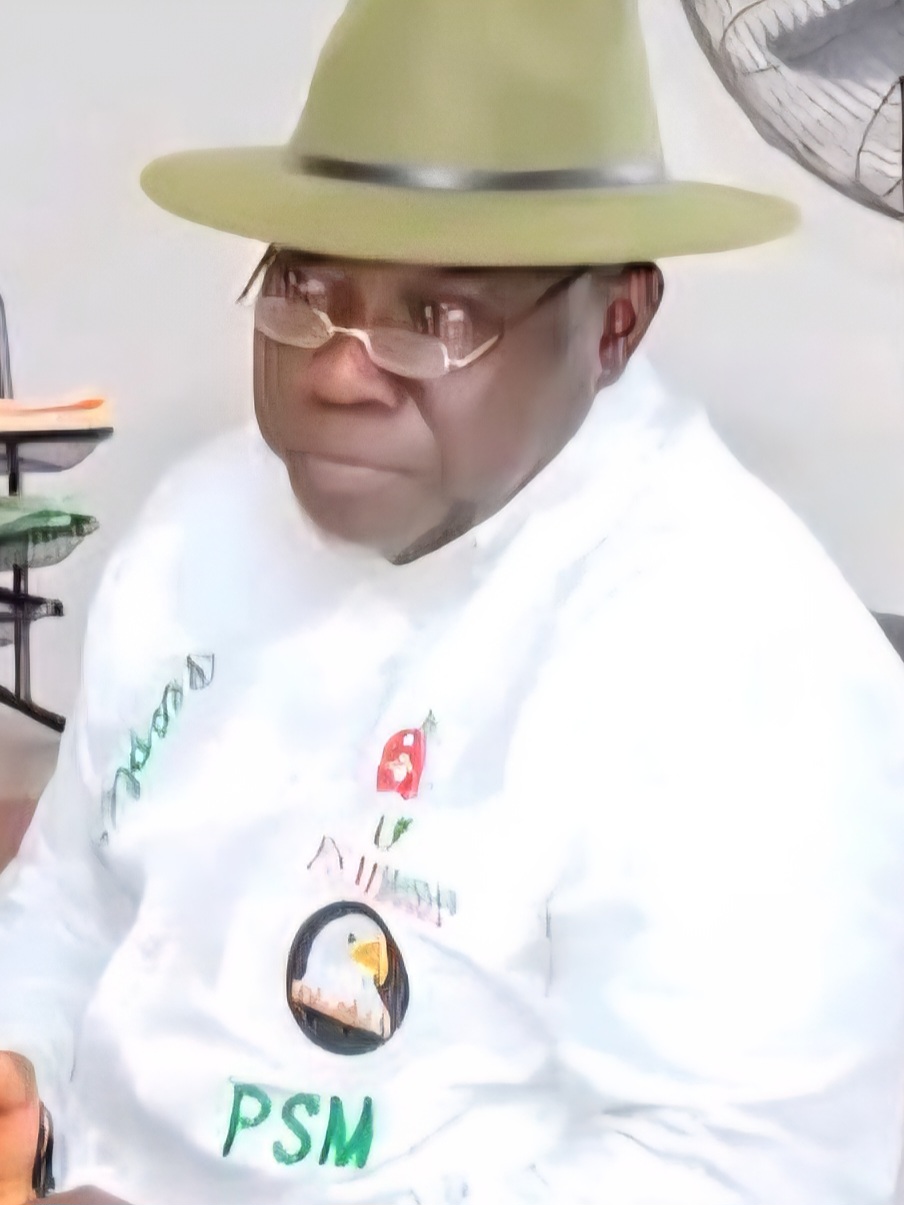
By Isiaka Mustapha, Editor-in-Chief, People’s Security Monitor
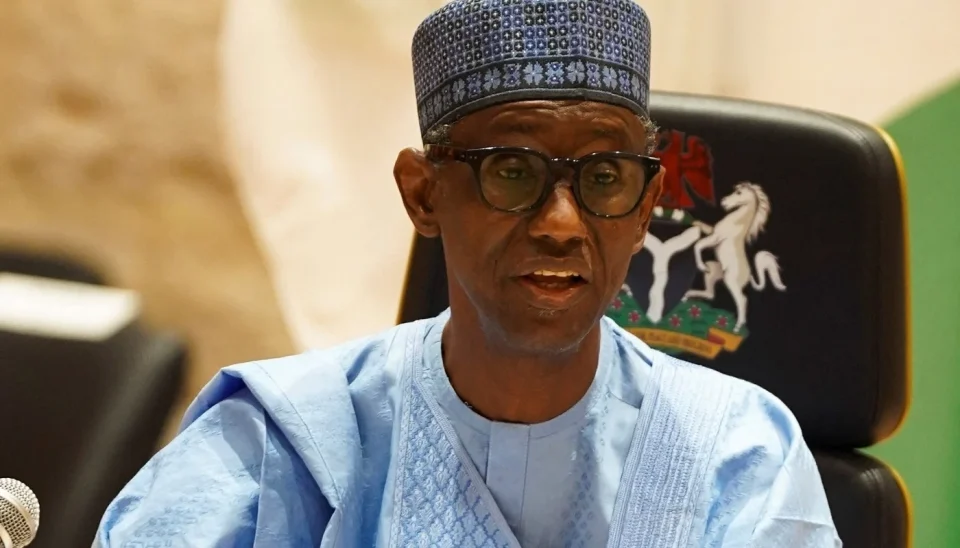
Recent public comments by the Minister of Defence, General Christopher Musa (rtd.), against former Kaduna State Governor Nasir El-Rufai deserve serious scrutiny, particularly because they involve allegations concerning a matter that has entered the legal process. At a time when Nigeria is confronted by grave security challenges, it is difficult to understand why the Defence Minister would choose to engage in a public war of words with a former governor instead of allowing the judicial process to run its full course.
Musa reportedly accused El-Rufai of responsibility for some of the deadly violence that occurred in Kaduna during his administration, including allegations relating to killings in Southern Kaduna. Such accusations are extremely serious and should not be treated as political rhetoric. If the government possesses credible evidence linking any individual to criminal conduct, the appropriate course is to present that evidence before the relevant investigative and judicial authorities rather than subjecting the accused to trial by media.
The fundamental principle of justice is that a person accused of an offence remains presumed innocent until proven guilty by a competent court. This principle does not disappear because the accused is a former governor, opposition figure or controversial public personality. It is therefore inappropriate for a serving Defence Minister to make sweeping public pronouncements that could be interpreted as prejudging a matter already under legal consideration.
General Musa occupies a highly sensitive constitutional position. As Defence Minister, his statements are not merely those of an ordinary citizen. They carry the authority and influence of a senior government official responsible for a crucial component of Nigeria’s national security architecture. Consequently, he should exercise greater restraint when commenting on politically sensitive matters, especially those capable of deepening existing divisions.
The judiciary should be allowed to determine the facts. If there is evidence against El-Rufai, let it be properly presented, tested and challenged before a court. If the evidence is insufficient, the accused should not be condemned through public statements. Anything short of this risks weakening public confidence in the justice system and creating the impression that political narratives are being used to supplement or even substitute judicial proceedings.
Kaduna’s history of communal violence is far more complicated than the political career of any single individual. The state has experienced serious ethnic and religious tensions for decades, including the Zangon Kataf crisis of 1992 and the violence that followed the 2011 presidential election. Any serious examination of the state’s security challenges must therefore consider the historical, political, ethnic, religious, economic and administrative factors that have contributed to the conflicts.
Against this background, attributing Kaduna’s long-running divisions and violence primarily to one former governor is an oversimplification of a complicated national problem. El-Rufai’s administration can certainly be subjected to scrutiny, criticism and investigation where necessary, but such examination should be based on evidence rather than political recrimination.
There is also a danger that inflammatory exchanges between prominent public officials could reopen old wounds among communities in Kaduna State. The people of Kaduna have endured enough violence and distrust. What the state needs from national leaders is reconciliation, justice and responsible leadership,not competing narratives capable of reinforcing ethnic and political suspicions.
Musa’s intervention therefore risks producing the opposite of what a national security official should seek. Instead of helping to calm tensions, public accusations against a former governor could further polarise supporters and opponents of El-Rufai and encourage competing communities to interpret the controversy through ethnic or political lenses.
The timing of Musa’s comments is equally troubling. Nigeria is currently facing a broad spectrum of security threats, including terrorism, banditry, kidnapping, communal violence, arms proliferation, attacks on vulnerable communities and other forms of criminality. These challenges require the Defence Minister’s sustained attention, strategic thinking and institutional leadership.
The Nigerian Armed Forces continue to carry the enormous burden of defending the country against violent groups across multiple theatres. Soldiers and other security personnel are deployed in several parts of the country, often under extremely difficult conditions. Their sacrifices demand that the political leadership responsible for defence concentrate on improving operational effectiveness, intelligence, equipment, welfare and inter-agency coordination.
The Defence Minister should therefore be more saddled with the task of delivering enduring security for Nigerians than engaging in political exchanges over the record of a former governor. Nigerians want to know how the government intends to permanently reduce insecurity, protect rural communities, dismantle terrorist and bandit networks, secure Nigeria’s borders and prevent criminal groups from replenishing their manpower and weapons.
There is nothing wrong with holding former public officials accountable. Indeed, accountability is essential to democracy. But accountability must be institutional, transparent and based on evidence. It should not become an avenue for political score-settling or a contest in which senior officials trade accusations through the media.
Musa would also do well to recognise that public office demands restraint. The strength of a minister is not demonstrated by how forcefully he attacks a political opponent, but by how effectively he performs the responsibilities entrusted to him. The Defence Ministry is too important to become a platform for settling political arguments or revisiting personal and partisan disputes.
More importantly, the government must avoid creating the impression that political affiliation determines who receives due process. If El-Rufai has questions to answer, let the appropriate institutions ask those questions. If prosecutors have evidence, let them present it. If a court is seized of the matter, let the court make its determination. The outcome should be respected by all parties, regardless of political allegiance.
It is particularly important that national leaders understand the difference between accountability and prejudgment. Accountability asks that allegations be investigated and, where evidence exists, prosecuted. Prejudgment assumes guilt before the evidence has been judicially tested. A democratic government should never allow the latter to replace the former.
General Christopher Musa should, therefore, withdraw from the political battlefield and return his attention to the battlefield that Nigerians actually expect him to win. Nigeria needs a Defence Minister focused on protecting lives, strengthening national defence and restoring confidence in the country’s security institutions, not one embroiled in a public confrontation with a former governor.
The Musa-El-Rufai controversy should ultimately be settled not by television interviews, political declarations or competing accusations, but by facts and the law. The courts should be allowed to do their work without interference or prejudicial commentary. Nigeria’s democracy will be stronger when even its most powerful officials demonstrate that no individual is above the law, and that no accused person is below its protection.
At a time when national unity remains fragile and security challenges continue to test the capacity of government, responsible leadership requires caution, maturity and a commitment to institutional processes. Kaduna does not need another battle of words. Nigeria does not need another political distraction. What Nigerians need is justice where wrongdoing is established, reconciliation where communities have been divided, and, above all, enduring security delivered by a Defence Ministry focused squarely on its constitutional responsibility.
Isiaka Mustapha, Editor-in-Chief, People’s Security Monitor writes from Abuja.
pressgallery2013@gmail.com
08055001816