 Keji Mustapha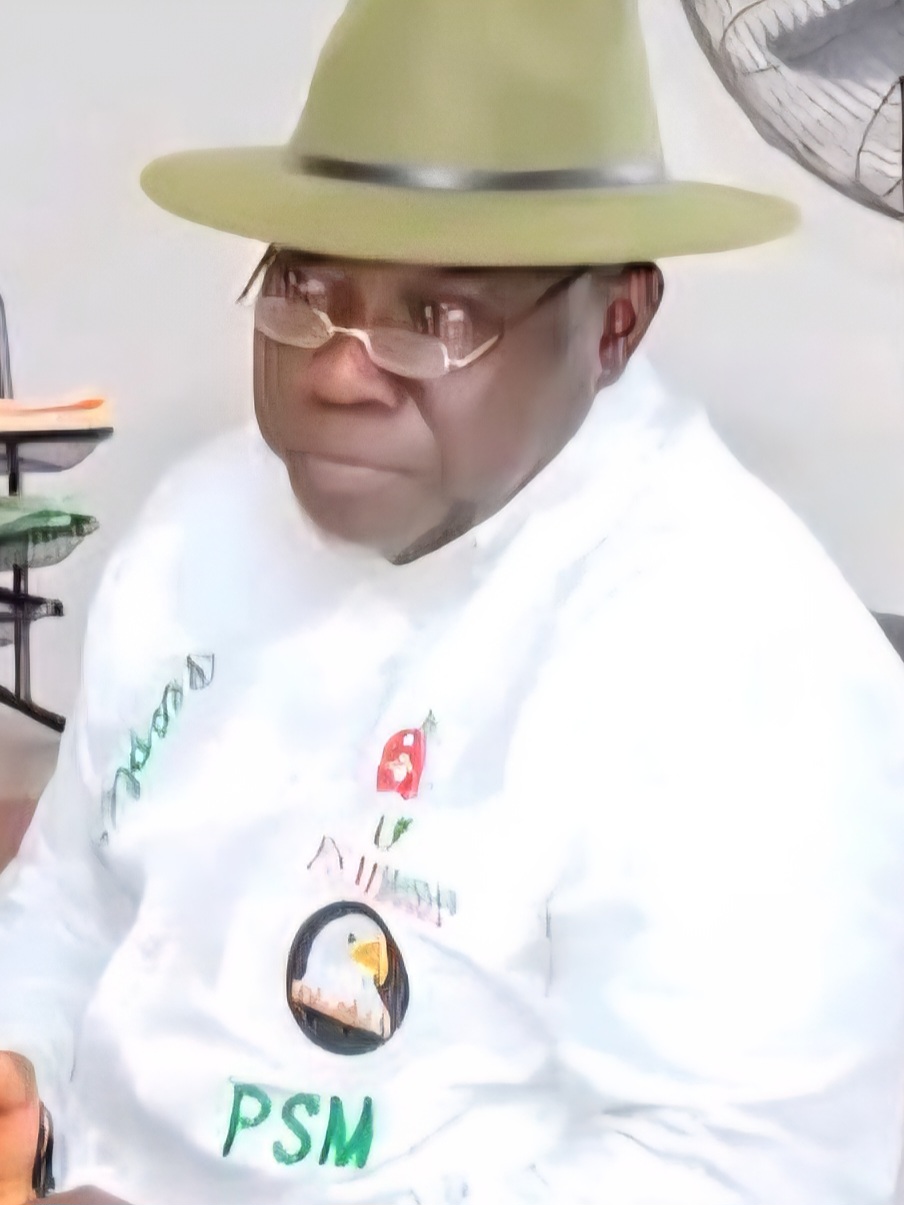
By Isiaka Mustapha, Editor-in-Chief, People’s Security Monitor
Six months into the leadership of Inspector-General of Police, Olatunji Rilwan Disu, many Nigerians are still struggling to identify significant changes within the Nigeria Police Force that justify the optimism that greeted his appointment. Upon assuming office in February 2026, Disu pledged to strengthen professionalism, accountability and public confidence in policing. However, half a year later, the everyday experiences of many citizens suggest that the police institution continues to operate largely within its old framework, with little evidence of the transformative reforms many expected.
To be fair, the Nigeria Police did not become dysfunctional under Disu’s leadership. The institution has battled corruption, abuse of power, poor welfare, inadequate training, weak accountability and operational inefficiencies for decades. These problems were inherited from successive administrations. Nevertheless, leadership is ultimately measured by the willingness and ability to confront inherited challenges. Nigerians expected Disu to aggressively identify these longstanding problems and initiate a process of institutional renewal.
Unfortunately, many of the unethical practices that have damaged the image of the police over the years remain prevalent. Allegations of extortion, arbitrary arrests, unlawful detention, harassment and abuse of authority continue to surface across the country. While many officers perform their duties professionally, the persistence of these complaints suggests that the culture of impunity has not been effectively dismantled. For many citizens, interactions with police officers remain characterised by fear, suspicion and distrust rather than confidence and reassurance.
The greatest challenge before Disu may not be criminal elements outside the Force but resistance from within. The Nigeria Police has long been associated with a deeply entrenched “business-as-usual” culture that often frustrates reform efforts. Any attempt to enforce discipline, transparency and accountability will undoubtedly encounter opposition from those who benefit from the existing system. Meaningful reform requires courage, consistency and a willingness to confront powerful interests within the institution.
Six months may not be sufficient to completely transform an organisation as large and complex as the Nigeria Police Force. However, it is long enough for Nigerians to begin seeing a clear roadmap for reform. So far, there is little evidence of a comprehensive programme capable of fundamentally changing the operational culture of the Force. Public expectations were high because of Disu’s previous reputation as an innovative and effective police officer, yet those expectations remain largely unmet.
One area requiring urgent attention is accountability. Officers accused of misconduct must face swift and transparent disciplinary processes. Nigerians need to see that abuse of authority attracts consequences regardless of rank or influence. Without effective accountability mechanisms, public confidence in the police will continue to decline, while unethical officers will remain emboldened to engage in misconduct.
Disu must also confront the persistent issue of extortion and corruption. The average Nigerian frequently encounters police personnel at checkpoints, patrol points and police stations. These interactions largely shape public perceptions of the Force. The continued prevalence of complaints regarding extortion demonstrates that anti-corruption measures have not yet produced the desired results. Stronger monitoring systems, digital reporting mechanisms and strict enforcement of disciplinary regulations are urgently required.
Beyond discipline, the welfare of police personnel deserves serious attention. Poor remuneration, inadequate accommodation, insufficient equipment and challenging working conditions have long affected morale and productivity within the Force. While welfare challenges cannot excuse misconduct, addressing them remains essential to building a professional and motivated police service capable of delivering effective security to the public.
The Nigeria Police also requires substantial investment in intelligence gathering, criminal investigations and forensic capabilities. Modern policing depends on technology, data analysis and professional investigations rather than reactive operations alone. Strengthening investigative capacity will not only improve crime detection but also enhance public confidence in the criminal justice system.
As Nigeria gradually approaches the crucial 2027 general elections, the responsibility of the police becomes even more significant. The Force will play a central role in maintaining law and order, protecting electoral officials and ensuring a peaceful democratic process. This responsibility demands a police institution that is professional, impartial and trusted by citizens across political and ethnic divides.
Disu therefore has an opportunity to distinguish himself from many of his predecessors who occupied Louis Edet House without fundamentally altering the perception of the police. If he can successfully confront corruption, improve welfare, strengthen accountability, modernise operations and rebuild public trust, he could leave a lasting legacy in the history of Nigerian policing. However, the reforms must move beyond declarations and become visible in the daily conduct of officers across the country.
Ultimately, six months of Tunji Disu’s leadership have not yet delivered the meaningful turnaround many Nigerians anticipated. While it would be unfair to hold him responsible for decades of institutional decay, it is reasonable to expect clearer evidence of decisive reform. The remaining years of his tenure provide an opportunity to reverse this perception. Nigerians hope that he will rise above the constraints of the past, confront the entrenched culture of impunity and leave behind a police force that is more accountable, professional and responsive to the needs of the citizens it is meant to serve. I wish him success in that difficult but important task.
Isiaka Mustapha, Editor-in-Chief, People’s Security Monitor, writes from Abuja.
pressgallery2013@gmail.com
08055001816