 Keji Mustapha
The Nigeria Security and Civil Defence Corps (NSCDC) has disclosed that its Special Mining Marshals have arrested 671 suspected illegal miners across the country, with 397 of them already arraigned before various courts as part of ongoing efforts to combat illegal mining and protect Nigeria’s mineral resources.
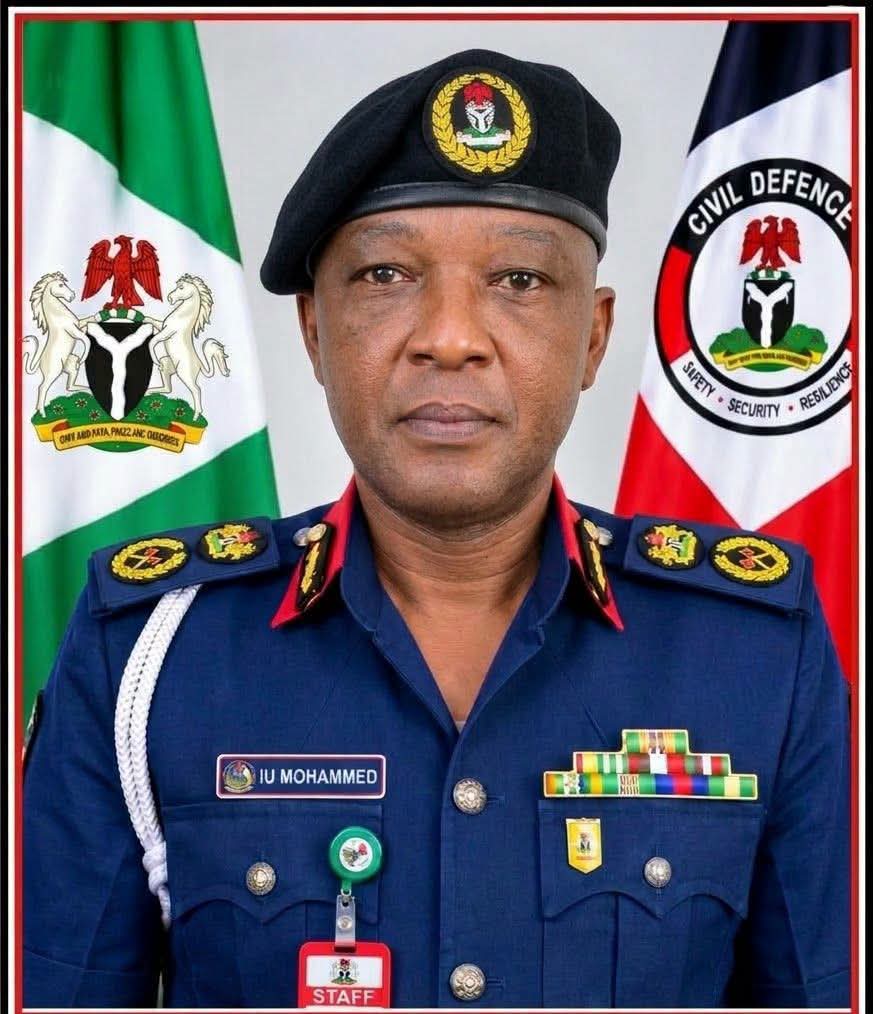
Speaking at a stakeholders’ workshop on extractive industry governance held in Abuja on Monday, the Commander of the Mining Marshals, Assistant Commandant of Corps (ACC) John Attah Onoja, represented the Commandant General of the NSCDC, Professor Ahmed Abubakar Audi. He stated that the Corps had intensified enforcement operations against illegal mining activities, leading to the dismantling of several unlawful mining sites nationwide.
According to Onoja, the sustained operations of the Mining Marshals have significantly strengthened regulatory compliance within the sector, enhanced government revenue generation, and improved investor confidence in Nigeria’s mining industry.
He noted, however, that the fight against illegal mining continues to face several obstacles, including inadequate logistics, limited manpower, delays in the judicial process, and interference from organised criminal syndicates operating within the sector.
To address these challenges, Onoja called for increased funding for enforcement agencies, improved surveillance capabilities, and the establishment of designated courts to expedite the prosecution of mining-related offences.
The workshop was organised by the House of Representatives Ad-hoc Committee on Mineral Exploitation, Security and Anti-Money Laundering and brought together key stakeholders from government institutions, labour unions, security agencies, and the mining industry.
Also speaking at the event, the President of the Nigeria Union of Mines Workers, Hamza Muhammad, urged the Federal Government to prioritise local processing of mineral resources before export. He argued that such a policy would create employment opportunities, stimulate industrial development, and ensure that Nigeria derives greater economic value from its vast mineral deposits.
Representing the Nigeria Governors’ Forum, Fatima Usman-Katsina reaffirmed the commitment of state governments to deepening collaboration with the Federal Ministry of Solid Minerals Development. She disclosed that a joint technical working group had been established to enhance accountability, traceability, and coordination across the mining sector.
Earlier, Speaker of the House of Representatives, Rt. Hon. Abbas Tajudeen, represented by the House Majority Leader, Prof. Julius Ihonvbere, said the workshop was convened to develop practical and sustainable solutions to the challenges of illegal mining, insecurity, and illicit financial flows associated with the extractive industry.
He stressed the determination of the House of Representatives to strengthen existing laws and introduce reforms capable of promoting transparency, improving governance, and attracting responsible investment into the mining sector.
In his remarks, Chairman of the Ad-hoc Committee on Mineral Exploitation, Security and Anti-Money Laundering, Hon. Sanni Abdulraheem, called for greater cooperation among security agencies, regulators, mining operators, and host communities.
Abdulraheem assured participants that the committee would recommend comprehensive legislative and policy reforms aimed at strengthening oversight mechanisms, curbing illegal mining activities, and safeguarding Nigeria’s mineral wealth for national development.
If you would like, I can also rewrite this in a more investigative newspaper style suitable for People’s Security Monitor.