 Keji Mustapha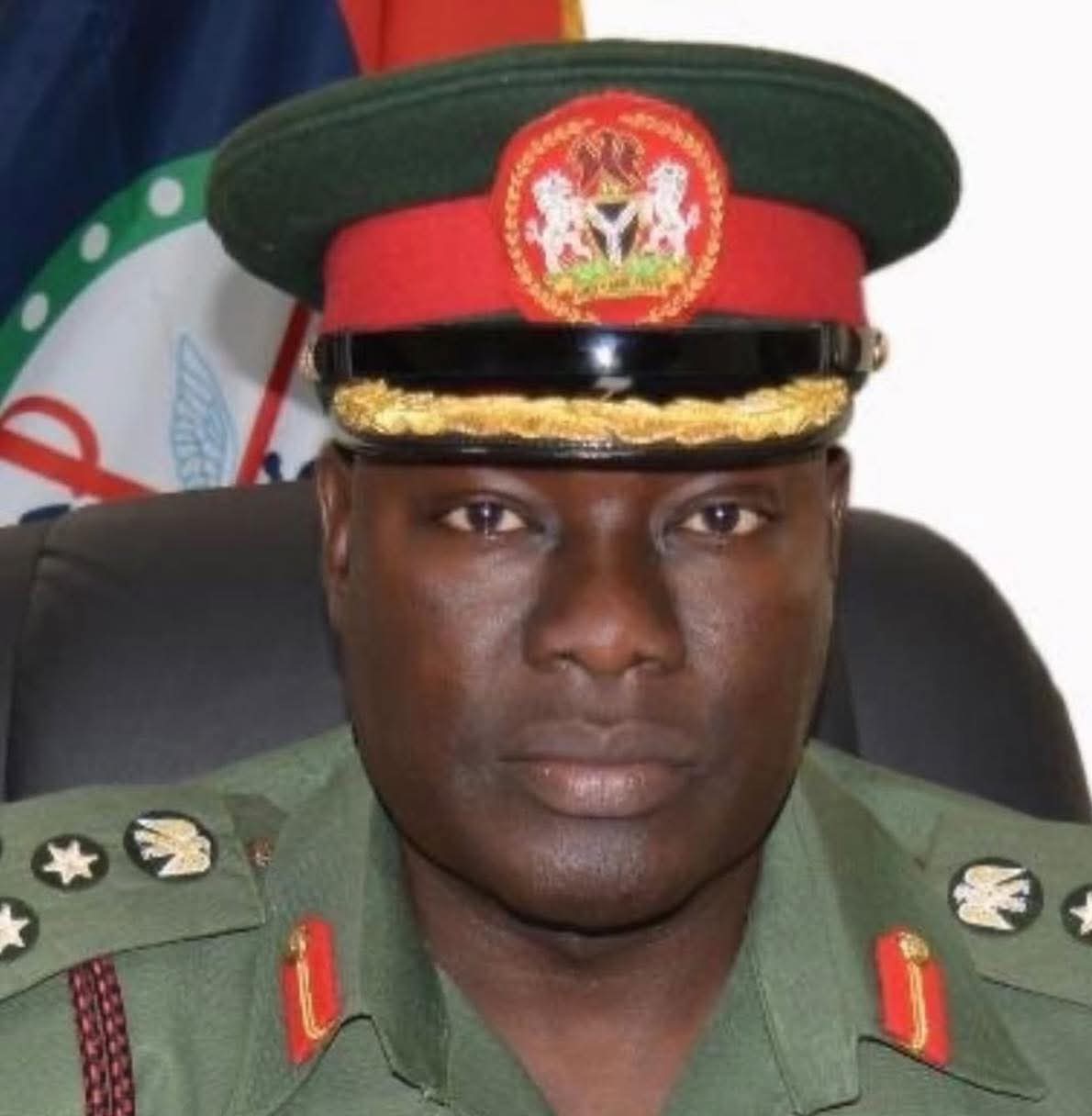
By Isiaka Mustapha, Editor-In-Chief, People’s Security Monitor
The death of retired Major General Rabe Abubakar in captivity has sent shockwaves across Nigeria, not only because of the stature of the individual involved, but because of what it represents for the country’s wider security condition.
The incident has become more than a personal tragedy. It now stands as a national symbol of a system struggling to guarantee safety even for those who once served at the highest levels of its defence architecture.
Public reaction to the development reflects a growing sense of insecurity across the country, where citizens increasingly question the capacity of state institutions to prevent abductions and violent crime.
If a retired senior military officer can be taken captive and ultimately die while still in the hands of criminals, many believe it raises fundamental questions about the effectiveness of existing security arrangements.
Nigeria’s security agencies continue to operate under immense pressure, confronting insurgency, banditry and kidnapping across multiple regions. However, the persistence of these threats suggests that structural weaknesses remain unresolved.
One of the central concerns emerging from this tragedy is the apparent ability of criminal groups to operate with relative freedom in certain territories, despite ongoing military and police operations.
This situation has created a perception gap between official assurances of progress and the lived experiences of communities that continue to face frequent attacks and abductions.
The death of General Rabe has intensified scrutiny of intelligence gathering and response coordination among security agencies, with many questioning whether earlier intervention could have altered the outcome.
It also highlights the broader issue of mobility insecurity, where travel across certain routes has become increasingly risky for civilians and high profile individuals alike.
Observers argue that Nigeria’s security challenges are no longer limited to isolated hotspots but have become more dispersed, requiring stronger coordination across federal, state and local levels.
The incident further underscores the emotional and psychological impact of insecurity, particularly when victims include individuals with extensive backgrounds in national defence and service.
There is also growing concern about the resilience of criminal networks, which appear capable of sustaining operations despite repeated security engagements.
Many analysts maintain that the problem is not only operational but also systemic, involving gaps in surveillance, intelligence sharing and rapid deployment capabilities.
The tragedy has reignited debates around the need for deeper reforms within the security sector, including improved technology adoption and better interagency collaboration.
At the community level, fear and uncertainty continue to shape daily life, with many citizens altering their movement patterns due to concerns over kidnapping and armed attacks.
The death of a retired general in such circumstances has further weakened public confidence in the perception of safety, reinforcing fears that no group is truly exempt from risk.
Security experts warn that such incidents can have a broader psychological effect, emboldening criminal actors while deepening public distrust in state institutions.
In response, there are increasing calls for a comprehensive reassessment of national security strategies, with emphasis on prevention rather than reactive operations.
Ultimately, the death of General Rabe has become a stark reminder of the urgency of addressing Nigeria’s security deficiencies, not only to protect high profile figures but to safeguard the lives of ordinary citizens across the country.
Until measurable improvements are achieved, the incident will remain a reference point in discussions about the state of security in Nigeria and the gap between responsibility and performance.