 Keji Mustapha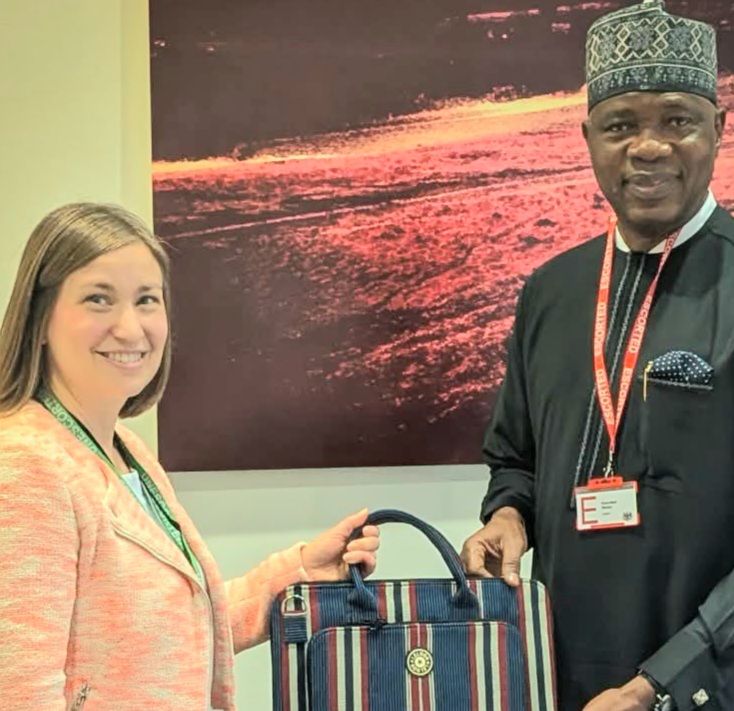
The Nigeria Customs Service (NCS) has reinforced its strategic partnership with the United Kingdom’s His Majesty’s Revenue and Customs (HMRC) to advance trade facilitation and enhance digital border management. The renewed collaboration follows a high-level bilateral meeting held in London on 18 March 2026 under the Nigeria–UK Enhanced Trade and Investment Partnership (ETIP) framework.
The Comptroller-General of Customs, Bashir Adeniyi, and HMRC’s Head of International Customs Engagement, Megan Shaw, led discussions focused on customs modernisation, improved data transparency, and stronger operational collaboration. Both sides expressed commitment to boosting efficiency, strengthening integrity, and ensuring seamless trade flows along the Nigeria–UK corridor.
Adeniyi described customs cooperation as a critical driver of economic growth, highlighting the robust trade relationship between both countries across industrial, agricultural, energy, and consumer sectors. He emphasised the pivotal role of customs authorities in facilitating secure, transparent, and mutually beneficial trade.
During the meeting, both parties identified discrepancies in trade data, pointing to gaps between reported UK exports and Nigeria’s import records. To address this, they agreed to develop pre-arrival data exchange systems, expand the use of digital tools, and establish joint frameworks aimed at strengthening compliance, capacity building, and technology-driven border management.
In addition, the two agencies explored opportunities for intelligence sharing and joint risk assessment mechanisms to tackle smuggling, revenue leakages, and other cross-border crimes. This move is expected to enhance enforcement capabilities while maintaining a balance between security and trade facilitation.
The partnership also underscores a shared commitment to adopting global best practices in customs administration, including automation and real-time data integration. Stakeholders believe the strengthened cooperation will not only improve revenue collection but also position Nigeria as a more competitive destination for international trade and investment.