 Keji Mustapha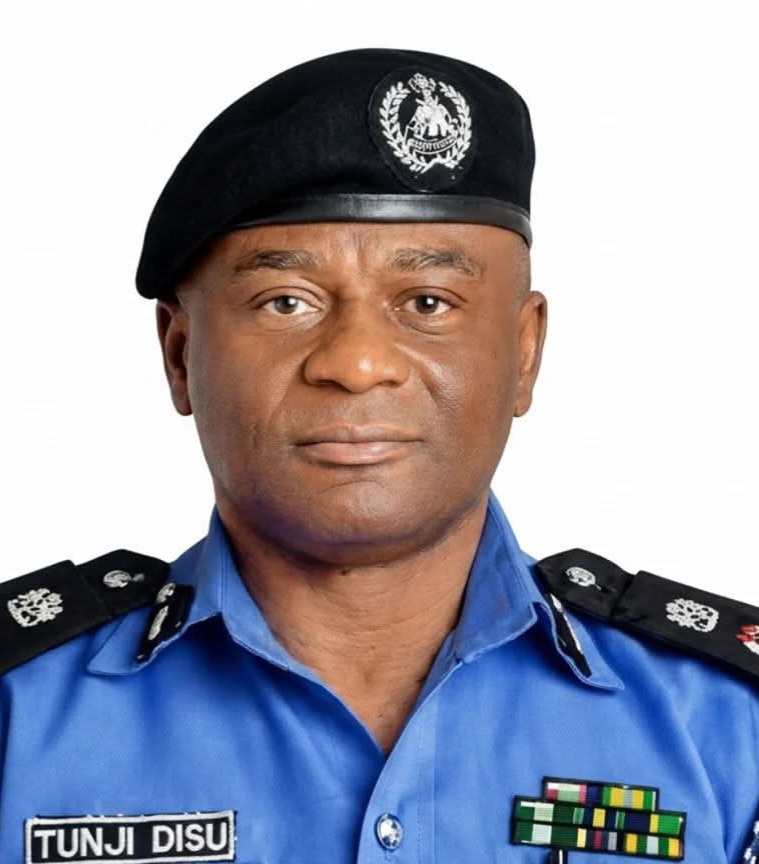
By: Isiaka Mustapha, Chief Operating Officer/Editor-In-Chief, People’s Security Monitor
The appointment of Tunji Disu as Acting Inspector General of Police by President Bola Ahmed Tinubu marks a significant moment in Nigeria’s security landscape. This decision reflects a deliberate effort to place experienced and reform minded leadership at the helm of the Nigeria Police Force. At a time when internal security remains a top national priority, such an appointment carries both symbolic and strategic importance.
Tunji Disu brings to the office a wealth of operational and administrative experience built over decades of dedicated service. His career has been shaped by discipline, professionalism, and a consistent commitment to tackling crime with intelligence driven methods. These qualities are essential for effective national policing.
As former Commander of the Police Intelligence Response Team, Disu played a frontline role in dismantling organized criminal networks. His leadership strengthened rapid response capabilities and enhanced intelligence gathering mechanisms. This experience is particularly valuable in confronting complex security threats across Nigeria.
During his tenure as Commissioner of Police in Rivers State, he managed security in one of the country’s most politically sensitive environments. Rivers State has faced challenges ranging from cult related violence to oil theft and electoral tension. Under his leadership, policing strategies were strengthened, and collaboration with other security stakeholders improved stability.
His service as Deputy Commissioner of Police in Lagos State further broadened his expertise. Lagos, being Nigeria’s commercial nerve centre, presents intricate urban security challenges. His exposure to crime management in such a dynamic setting sharpened his administrative competence and operational coordination skills.
The confidence reposed in him by President Tinubu signals a recognition of merit and capability within the police hierarchy. Leadership at the national level requires not only experience but also the trust of the Commander in Chief. Such backing is crucial for implementing reforms and strengthening discipline within the force.
Disu’s professional development through continuous training has equipped him with modern policing knowledge. Exposure to contemporary security frameworks enhances his ability to integrate global best practices into Nigeria’s policing system while adapting them to local realities.
One of the pressing needs within the Nigeria Police Force is internal reform and accountability. An Acting Inspector General must reinforce ethical standards and restore public confidence. Disu’s track record suggests a commitment to discipline and institutional integrity.
Community engagement remains a cornerstone of sustainable security. His understanding of community policing models positions him to rebuild trust between officers and citizens. Strengthened relationships at the grassroots level would improve intelligence flow and crime prevention.
Nigeria’s internal security challenges are evolving, including kidnapping, cybercrime, banditry, and organized criminal activities. Effective leadership must anticipate threats and deploy proactive strategies. Disu’s intelligence background provides a solid foundation for preventive policing.
Technology integration is another critical area for reform. Modern security operations depend on data analysis, surveillance systems, and forensic capacity. His prior command experience offers insight into how technological tools can enhance nationwide policing efficiency.
Administrative coordination across state commands demands strategic planning and strong leadership. The Inspector General oversees diverse commands with varying challenges. Disu’s history of managing complex environments demonstrates readiness for such responsibility.
Youth engagement and institutional morale are equally important. A respected and experienced leader can inspire confidence among officers while projecting a positive image of the police to the public. Strengthened morale often translates into improved operational performance.
The appointment also reinforces the principle that national security leadership should be grounded in experience rather than sentiment. By selecting a seasoned officer, President Tinubu has signaled seriousness in addressing internal threats with professionalism.
Furthermore, Disu’s experience in politically sensitive postings indicates maturity and impartiality. Effective policing in a democracy demands neutrality and strict adherence to constitutional provisions. His career suggests respect for these principles.
In conclusion, the appointment of Tunji Disu as Acting Inspector General of Police by President Bola Ahmed Tinubu presents an opportunity to deepen reforms, strengthen operational efficiency, and enhance public trust. His sterling service record and leadership experience position him to advance Nigeria’s internal security architecture and contribute meaningfully to national stability.