 Keji Mustapha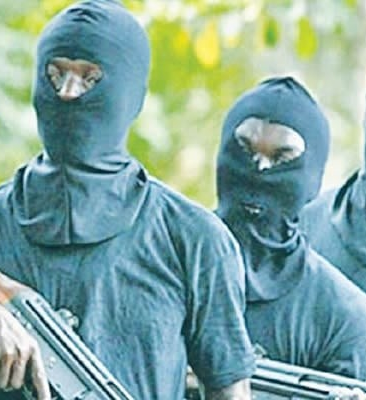
More than 300 students and staff are believed to have been abducted from a Catholic school in Niger State this week, marking one of the worst mass kidnappings ever recorded in Nigeria.
The Christian Association of Nigeria (CAN) announced on Saturday that it had updated its figures after a verification exercise, raising the estimated number of those taken from St. Mary’s School on Friday from 227 to 315.
“This brings the total to 303 students and 12 teachers,” CAN said in a statement, noting that the revised figure includes 88 students who were captured while attempting to flee.
The abduction occurred amid a spike in attacks by armed groups and Islamist insurgents. Nigeria has come under increased international attention after U.S. President Donald Trump threatened military action earlier this month over alleged mistreatment of Christians in the country.
If confirmed, the new total would surpass the 276 schoolgirls abducted in Chibok in 2014, making it one of the largest school kidnappings in Nigeria’s history.
The Niger State government said the school had failed to comply with a directive ordering boarding schools to shut down following intelligence reports warning of a likely attack. However, Reverend Bulus Dauwa Yohanna, the CAN chairman in Niger State, disputed this claim, saying no such warning was issued. He visited the school on Friday night.
“We are working with the government and security agencies to ensure our children are rescued and returned safely,” he said.
The federal government has since ordered nearly 50 unity colleges to close, while several states have also shut down public schools over rising insecurity.
Friday’s mass abduction is the third major kidnapping incident in Nigeria this week. On Monday, 25 schoolgirls were abducted from a boarding school in Kebbi State, and on Wednesday, 38 worshippers were seized during an attack on a church in Kwara State.
A senior U.S. State Department official said on Thursday that Washington is considering measures such as sanctions and expanded Pentagon counterterrorism cooperation to pressure Nigeria into better protecting Christian communities and ensuring religious freedom.
The Nigerian government, however, insists that claims of Christian persecution oversimplify the country’s complex security challenges and overlook efforts to safeguard all religious groups.
Let me know if you want this version shortened, converted to Hausa, or rewritten for broadcast or social media.