 Keji Mustapha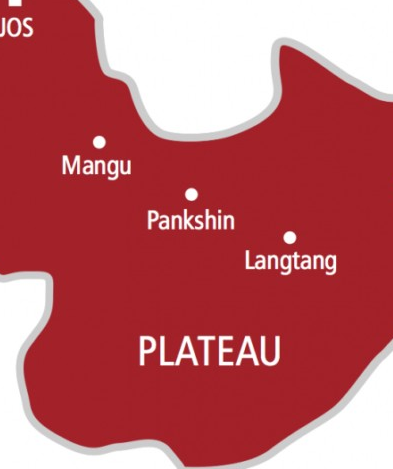
Retired General Rogers Nicholas, former commander of Operation Safe Haven and Chairman of the Plateau State Special Fact-Finding Committee, has identified cycles of reprisal attacks and land disputes as the primary drivers of the ongoing crisis in Plateau State.
Speaking at a special security conference organised by the House of Representatives Ad-Hoc Committee on Plateau Security in Abuja, General Nicholas shared insights from his tenure managing security in the volatile region. He described the Plateau crisis as a complex mix of historical grievances, ethnic tensions, land disputes, open grazing conflicts, systemic poverty, illegal mining, youth unemployment, porous borders, and a fragile criminal justice system.
One of the main triggers is the cycle of reprisal attacks between farmers and herders, which often escalates into widespread community violence. During his command, Nicholas prioritised trust-building and community engagement, holding town hall meetings with local and Fulani leaders and introducing community-based compensation systems for incidents of cattle rustling and crop destruction. He noted that many of these initiatives were abandoned after his tenure, contributing to renewed tensions.
The Special Fact-Finding Committee made several key recommendations to restore peace and security. Establish peace and security committees in every community, led by traditional rulers and inclusive of all ethnic and religious groups. Enforce and review the Plateau State Anti-Land Grabbing Law (2022). Create designated grazing corridors and ranching areas in partnership with local authorities. Strengthen the criminal justice system with harsher penalties for cattle rustling, illegal arms possession, and farmland destruction. Form an Interstate Joint Security Task Force with Kaduna, Nasarawa, Taraba, and Bauchi to curb cross-border attacks. Integrate local vigilante groups into formal security structures, such as Operation Rainbow, to promote accountability and professionalism. Improve rural communication infrastructure to enable rapid response to attacks, alongside legislative oversight and stakeholder engagement.
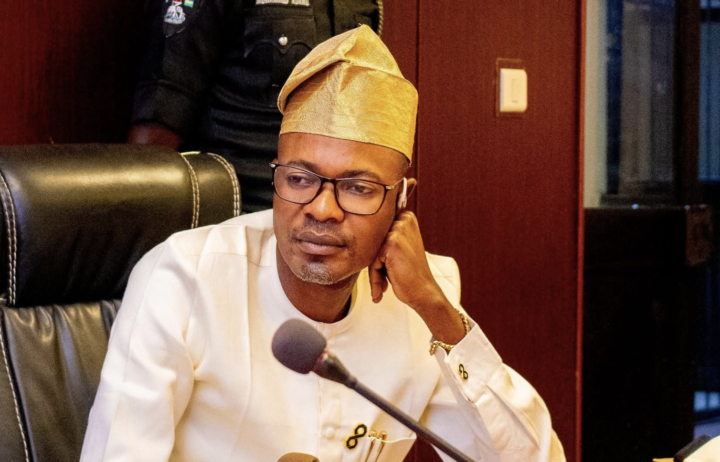
Committee Chairman Hon. Wale Ahmed (Agege) reiterated the House of Representatives’ commitment to identifying the root causes of Plateau’s prolonged violence and implementing practical solutions. Over the past month, the committee expanded its outreach, sending 237 letters to institutions and individuals across the state and receiving 47 responses from entities including the Plateau State House of Assembly, Christian Association of Nigeria (CAN), Muslim Youth Foundation, University of Jos Centre for Conflict Management, Operation Rainbow, Miyetti Allah, traditional councils, emirates, and security agencies.
The committee also visited former Governor Joshua Dariye, who led the state during the 2001 Jos crisis, to gain insights from his experience. Ahmed affirmed ongoing engagement with civil society groups, traditional rulers, and security agencies to ensure that the final report reflects the will and needs of the people.