 Keji Mustapha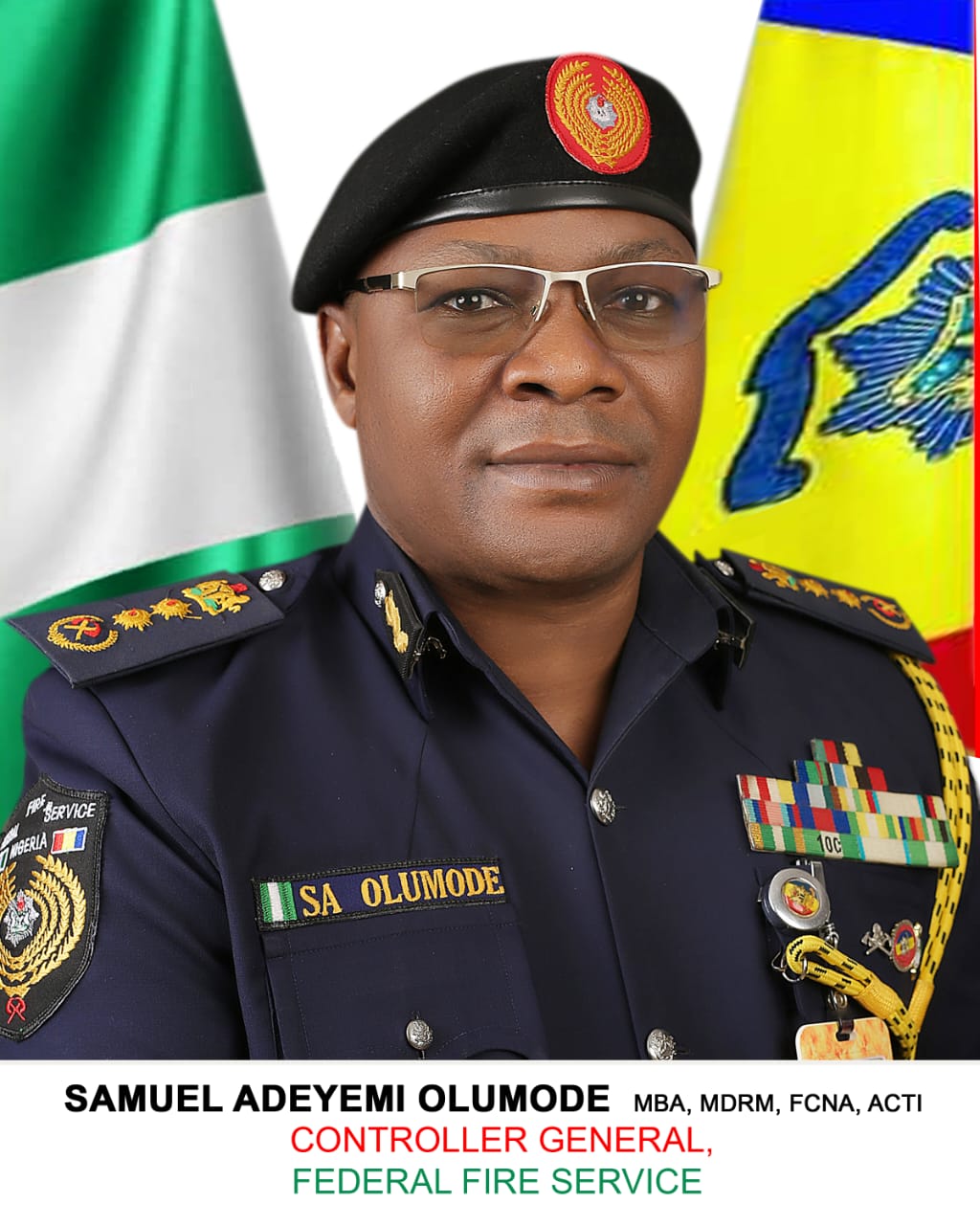
By Isiaka Mustapha, CEO/Editor-In-Chief, People’s Security Monitor
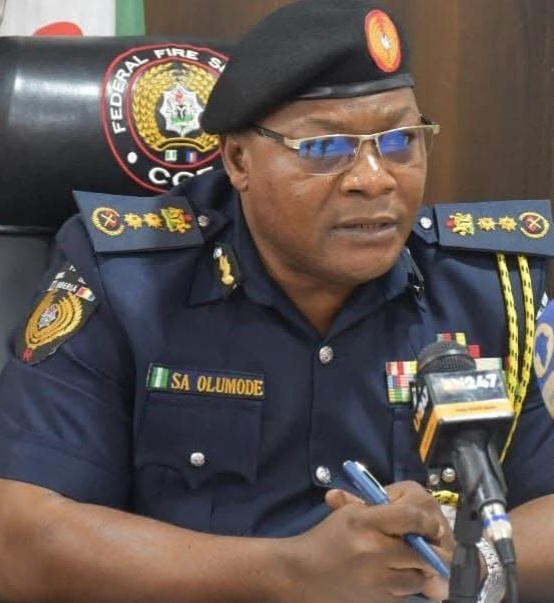
When President Bola Ahmed Tinubu appointed Samuel Adeyemi Olumode as the new Controller-General of the Federal Fire Service (FFS) in August 2025, many Nigerians saw it as another routine change in leadership. But what many fail to see is the enormous weight that comes with that office. Olumode is not stepping into a thriving institution waiting for a gentle touch of reform; he is walking into a deeply fractured and chronically under-resourced emergency agency that has for decades been more reactive than proactive. If any change is to happen under his leadership, it will require more than bold speeches; it will demand unwavering government support, policy reform, and public understanding. More importantly, it will require national sympathy for the enormous rot he has inherited.
The Federal Fire Service has long been plagued by a toxic cocktail of neglect, underfunding, low morale, outdated equipment, poor training, and limited presence across the country. What this means is that Adeyemi is not just trying to fix a broken system; he is trying to rebuild it from the ground up. Despite pockets of progress in the past, the scale of the dysfunction he meets on the ground is staggering. In many states across Nigeria, federal fire stations are either completely absent or operating in name only. Places like Abia, Enugu, Bayelsa, and Delta have barely any firefighting infrastructure. In some cases, entire stations have no operational trucks. Even in major cities like Abuja and Kaduna, stations have been known to function with just one aging fire truck, and in extreme cases, firefighters are left idle with no equipment to respond to emergencies.
It is difficult to expect any leader to perform magic under such dire conditions. The Nigerian public is quick to blame individuals at the helm, but rarely do we look at the historical and structural decay that makes their jobs almost impossible. In Olumode’s case, he is expected to improve emergency response times, upgrade infrastructure, improve training, and restore public trust in a service that has been practically abandoned for years. These expectations are not unreasonable, but they are not achievable without massive support especially from the federal government.
The scale of losses that Nigeria suffers annually due to fire disasters is enough to declare a national emergency. Between 2013 and 2018 alone, the country lost an estimated ₦5 trillion in assets to fires. In 2024, the FFS responded to over 30,000 emergency calls and saved ₦1.94 trillion worth of property—but even that same year, over 100 lives were lost and ₦67.1 billion worth of property destroyed due to fire incidents. These statistics reflect not only the importance of the fire service but also its fragile capacity to manage Nigeria’s growing fire risks. For every successful intervention, there are still too many tragedies that could have been avoided with better preparedness.
Olumode’s leadership comes at a time when public confidence in emergency services is at a historic low. Nigerians no longer expect help to arrive on time during fire outbreaks. Many don’t even bother calling the fire service during emergencies, convinced they are on their own. Changing this narrative will not be easy. It will require a sustained rebuilding of trust something that cannot happen if the service is still relying on underpaid, poorly trained personnel with obsolete equipment, Olumode cannot build a first-class agency on third-class tools.
What makes his situation even more complex is that the fire service has never been a national priority. Budgets are often released late, and when they do come, they are barely enough to maintain operations, let alone fund a sweeping overhaul. The legal framework guiding the fire service is outdated and does not reflect the modern realities of urbanization, population growth, and industrial hazards. The national fire code is either unknown or unenforced in many areas, leaving citizens vulnerable and agencies toothless.
And yet, despite all this, there is a glimmer of hope. In recent years, some foundations have been laid, modern fire trucks have been procured, rapid response vehicles deployed, and training academies upgraded. But these are not enough. Without political will, all these gains will quickly fade into irrelevance. Adeyemi’s appointment offers the chance to consolidate these small wins and scale them into a full-blown transformation. But he cannot do it alone. He needs a committed government that is ready to treat fire safety as a matter of national security. He needs state governors who will collaborate, not compete. He needs legislators who will pass meaningful reforms and fund them adequately. He needs citizens who are willing to engage, cooperate, and believe again in the idea of public safety.
Most of all, he needs time, space, and patience. Public servants like Adeyemi often bear the brunt of public frustration for failures they did not cause. But if we truly want a fire service that works, then we must move beyond blame and begin to understand the scale of work required to fix what’s broken. The Federal Fire Service is not a one-man job; it is a collective responsibility. Samuel Adeyemi has shown that he is ready to lead, but we must also be ready to support him with resources, empathy, and political courage.
The task ahead of him is monumental. He is not merely trying to manage fires; he is trying to extinguish decades of institutional decay. For that, he deserves more than our expectations, he deserves our sympathy, our belief, and our urgent, unflinching support.