 Keji Mustapha

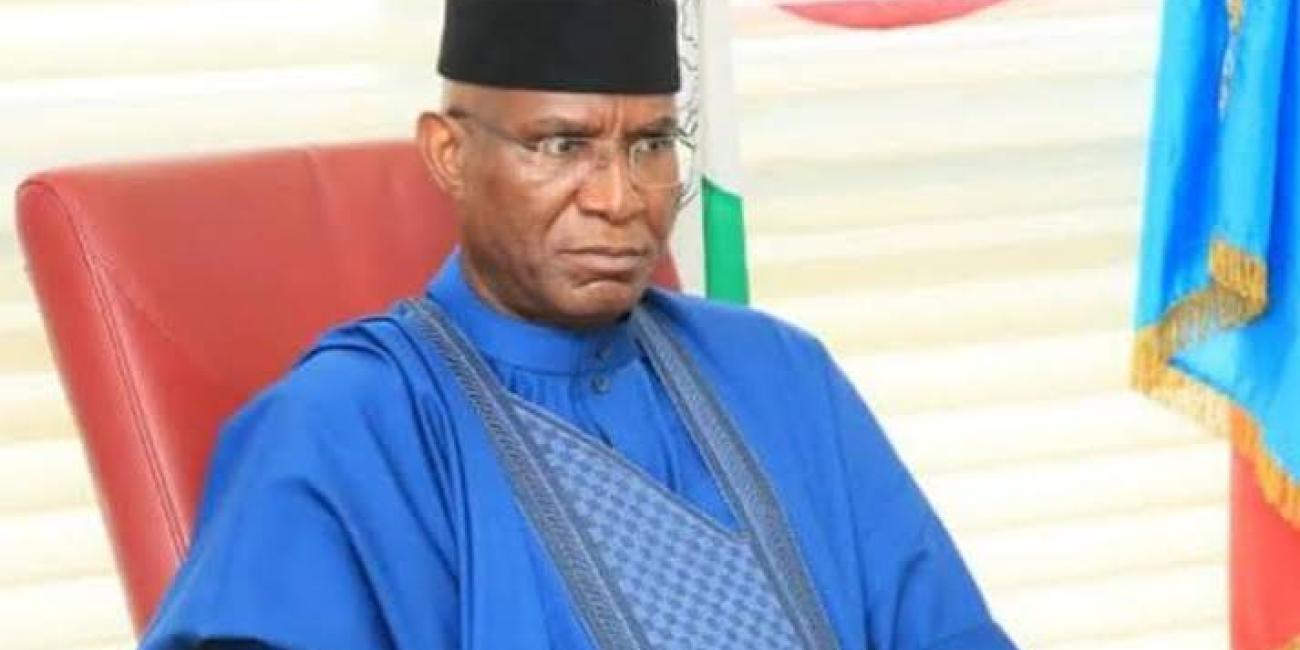
Pix: National Chairman and Commander-General, Otunba James Udoma.
By Isiaka Mustapha, Editor-in-Chief, People’s Security Monitor
The commissioning of the National Headquarters of the Vigilante Group of Nigeria’s (VGN) Department for the Protection of National Critical Infrastructure, Freight, Anti-Vandalism and Bunkering in Uyo, Akwa Ibom State, marks an important chapter in the institutional development of the organisation under the purposeful leadership of its National Chairman and Commander-General, Otunba James Udoma. Beyond the ceremonial significance of opening a new national office, the initiative represents a strategic recognition that Nigeria’s security challenges cannot be adequately addressed without protecting the infrastructure, transportation networks and economic assets upon which national prosperity depends. It is also a demonstration of Udoma’s determination to reposition the VGN as a more structured, specialised and responsive community-based security organisation.
What makes this initiative particularly commendable is its direct connection to some of the most damaging criminal activities confronting Nigeria’s economy. Crude oil theft, illegal bunkering, pipeline vandalism, destruction of electricity infrastructure, attacks on telecommunications facilities, theft of industrial equipment and criminal interference with freight transportation continue to impose enormous financial and security burdens on the country. These activities undermine government revenue, discourage investment, disrupt businesses, threaten employment and deprive communities of essential services. Establishing a specialised department to support the protection of these assets demonstrates that the VGN leadership understands the relationship between national security, economic stability and sustainable development.
Nigeria cannot achieve meaningful economic recovery while criminal networks continue to sabotage the infrastructure that drives production, transportation, energy supply and commerce. Pipelines, petroleum installations, electricity transmission facilities, railway infrastructure, communication equipment, warehouses, seaports, highways and other strategic assets require consistent monitoring and effective security collaboration. The new VGN department offers an opportunity to strengthen community-based intelligence gathering, surveillance support, early warning systems and the prompt reporting of suspicious activities around these installations. Because VGN members operate within communities and understand their local environments, they can provide useful information that will assist recognised security agencies in identifying emerging threats before they escalate into major security incidents.
The department’s responsibility for freight protection is equally significant. Nigeria’s economy depends heavily on the safe movement of agricultural produce, petroleum products, industrial raw materials, manufactured goods and other essential commodities across the country. Criminal activities along transportation corridors increase the cost of doing business, expose drivers and traders to danger, encourage cargo theft and disrupt supply chains. Through structured intelligence gathering, community engagement and cooperation with transport operators and relevant security agencies, the department can contribute to safer freight corridors, improved protection of goods in transit and greater confidence among investors, manufacturers, transporters and traders. Such interventions could also help reduce avoidable losses that eventually translate into higher prices for ordinary Nigerians.
The anti-vandalism component of the department is another important aspect of the initiative. The destruction and theft of public infrastructure have consequences that extend far beyond the immediate cost of replacing damaged equipment. When electricity installations are vandalised, communities and businesses suffer prolonged power interruptions. When telecommunications facilities are attacked, communication and emergency response systems are affected. When railway assets, public utilities and industrial installations are destroyed, economic activities are disrupted and government resources that should be devoted to development are redirected towards repairs. The new department can help address these threats through community-based monitoring, intelligence sharing, incident reporting and coordinated preventive measures in partnership with the Nigeria Police Force, NSCDC and other agencies legally responsible for protecting national assets.
Its anti-bunkering responsibility also deserves particular attention, given the enormous economic consequences of crude oil theft and illegal petroleum operations. Nigeria cannot maximise the benefits of its petroleum resources if criminal networks continue to exploit pipelines, storage facilities and distribution channels. The department can support lawful anti-bunkering efforts by providing credible intelligence on suspicious movements, identifying locations associated with illegal activities, reporting threats to petroleum installations and assisting relevant statutory agencies with community-level information. It is important, however, that its personnel operate strictly within the law and under appropriate inter-agency coordination, recognising the statutory responsibilities of the NSCDC, Nigerian Navy, Police and other authorised institutions. The VGN’s strength should lie in complementing these agencies, not competing with or attempting to replace them.
Otunba James Udoma deserves commendation for recognising the importance of specialised security structures rather than allowing the organisation to remain confined to conventional community vigilance. Purposeful leadership is measured not merely by speeches, appointments or public appearances, but by the ability to identify institutional gaps, develop practical responses and establish structures capable of delivering measurable results. Since assuming leadership of the VGN, Udoma has demonstrated an interest in expanding the organisation’s institutional reach and strengthening its operational identity. The establishment of this department, with its national headquarters in Uyo, reflects an understanding that modern security challenges require specialisation, defined responsibilities, professional discipline and strategic partnerships. The appointment of Group Commandant Daniel Etubom Mpara Akpan to lead the department also places an important responsibility on its operational leadership to translate the vision into tangible results.
The benefits of this initiative, if properly implemented, could extend to virtually every sector of national life. Safer infrastructure means more reliable electricity and telecommunications services; improved freight security means better movement of agricultural produce and essential commodities; effective anti-vandalism measures mean reduced public expenditure on replacing destroyed facilities; and stronger support against illegal bunkering means greater protection of petroleum resources and government revenue. Nigerian businesses could enjoy a more secure operating environment, transporters could face fewer criminal disruptions, communities could benefit from better protection of economic assets, and investors could gain greater confidence in the country’s infrastructure security arrangements. The initiative could also create opportunities for structured training, employment and responsible community participation in national security support activities.
Nevertheless, the success of the new department must ultimately be determined by its performance, not the grandeur of its commissioning ceremony. Its leadership must establish clear operational guidelines, recruit and train qualified personnel, maintain reliable intelligence channels, develop accountability mechanisms and build productive relationships with relevant government institutions and infrastructure operators. Personnel must understand the limits of their authority, respect human rights and avoid unauthorised arrests, extortion or the use of force outside the law. Regular operational reports, documented interventions and verifiable achievements will be necessary to demonstrate its effectiveness. Nigeria needs a VGN department that produces credible intelligence, helps prevent criminal attacks, supports the recovery of stolen assets and strengthens the work of established security institutions.
Ultimately, Otunba James Udoma’s initiative deserves recognition as a forward-looking contribution to the evolving architecture of community-based security in Nigeria. His decision to establish a specialised department addressing critical infrastructure protection, freight security, anti-vandalism and illegal bunkering demonstrates an appreciation of the fact that national security is inseparable from economic security. The challenge now is to transform this institutional vision into practical achievements that Nigerians can see and measure. If properly funded, professionally managed and effectively coordinated with statutory security agencies, the new department could become a valuable instrument in protecting national assets, supporting economic activities and strengthening public confidence in community-based security. For Udoma, this is an opportunity to leave a lasting institutional legacy; for the VGN, it is a defining test of purposeful leadership; and for Nigeria, it is another opportunity to mobilise responsible community participation in the collective struggle against economic sabotage and insecurity.