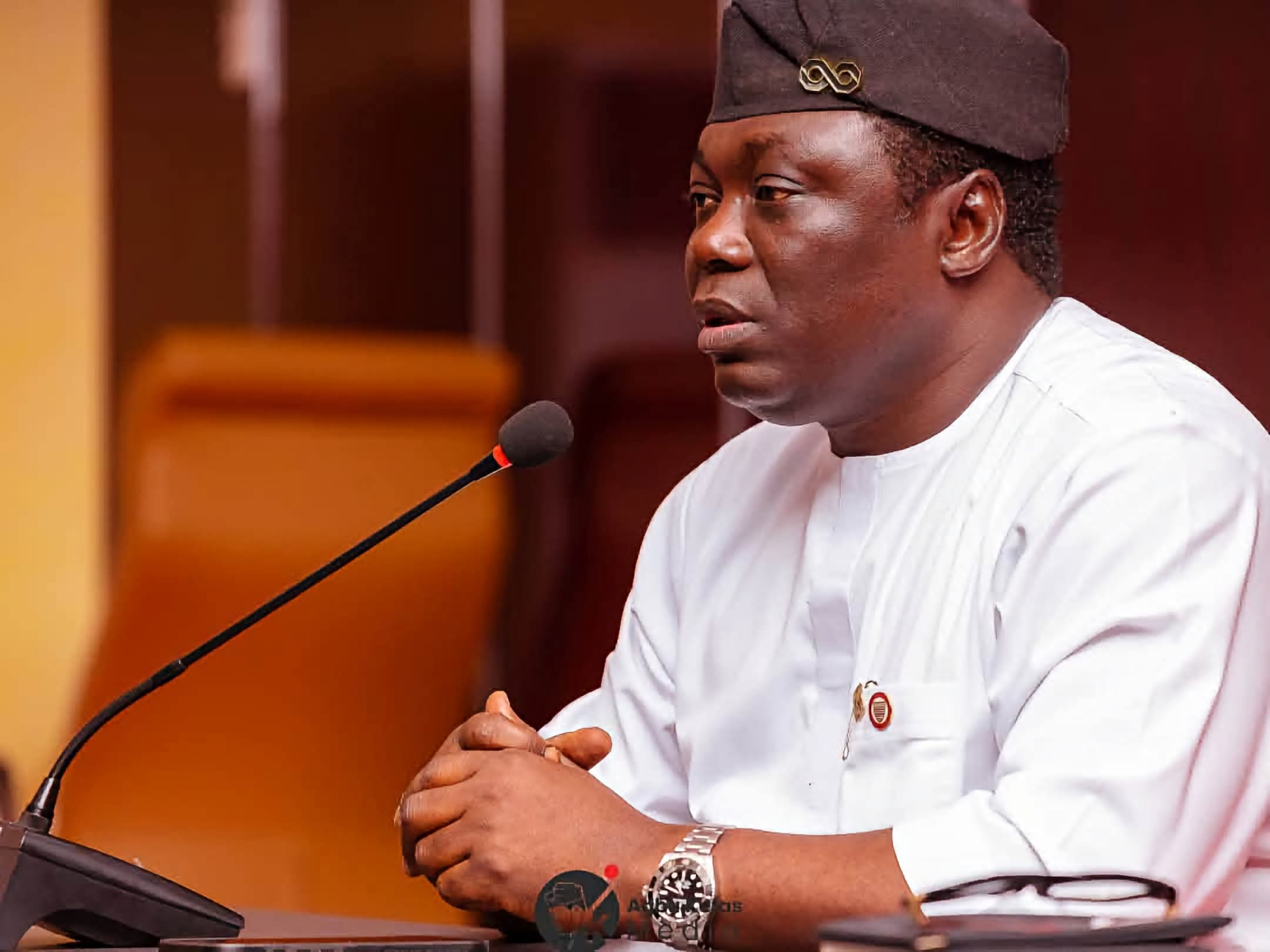
 Keji Mustapha
By Isiaka Mustapha, Editor-in-Chief, People’s Security Monito
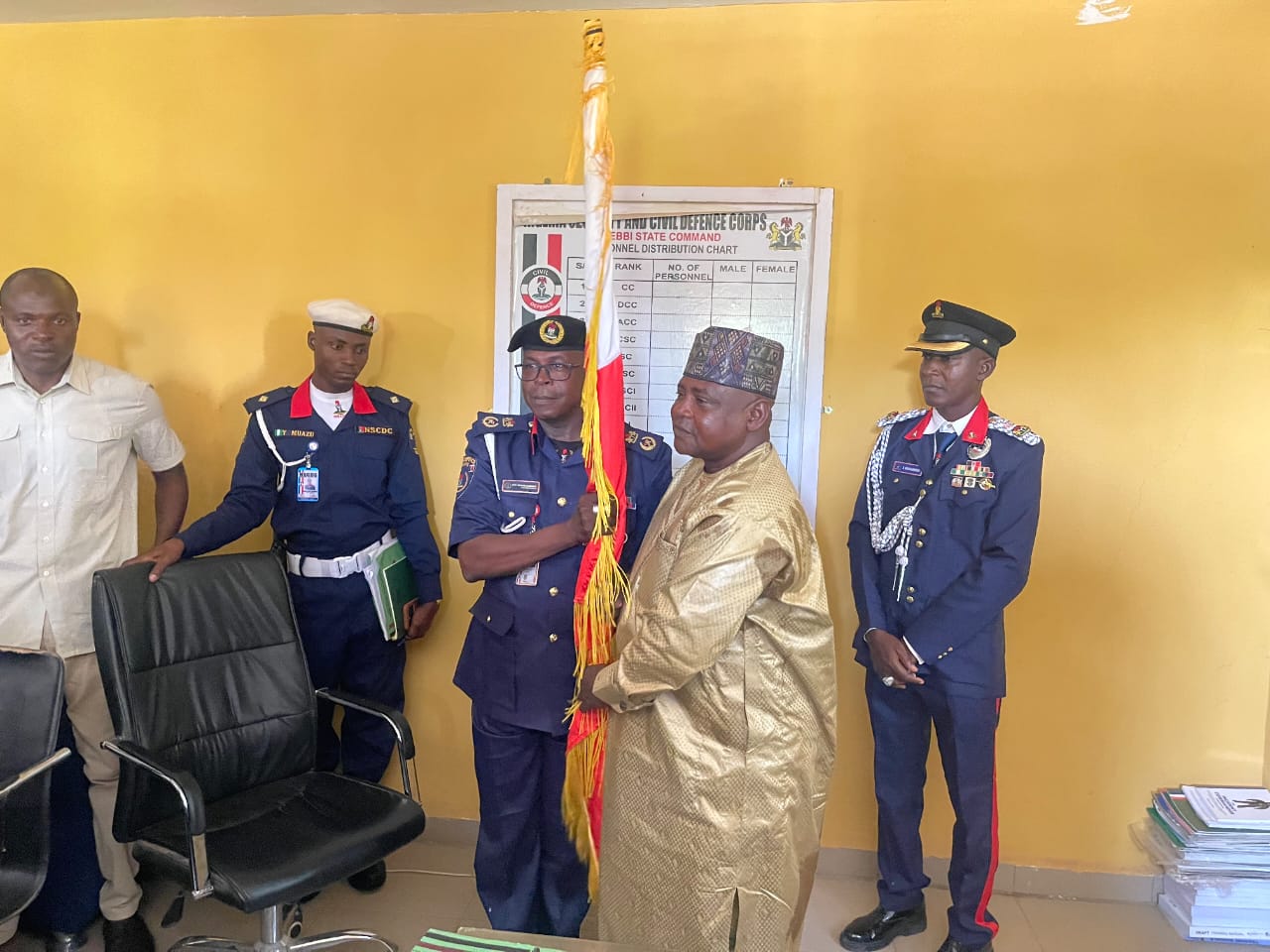
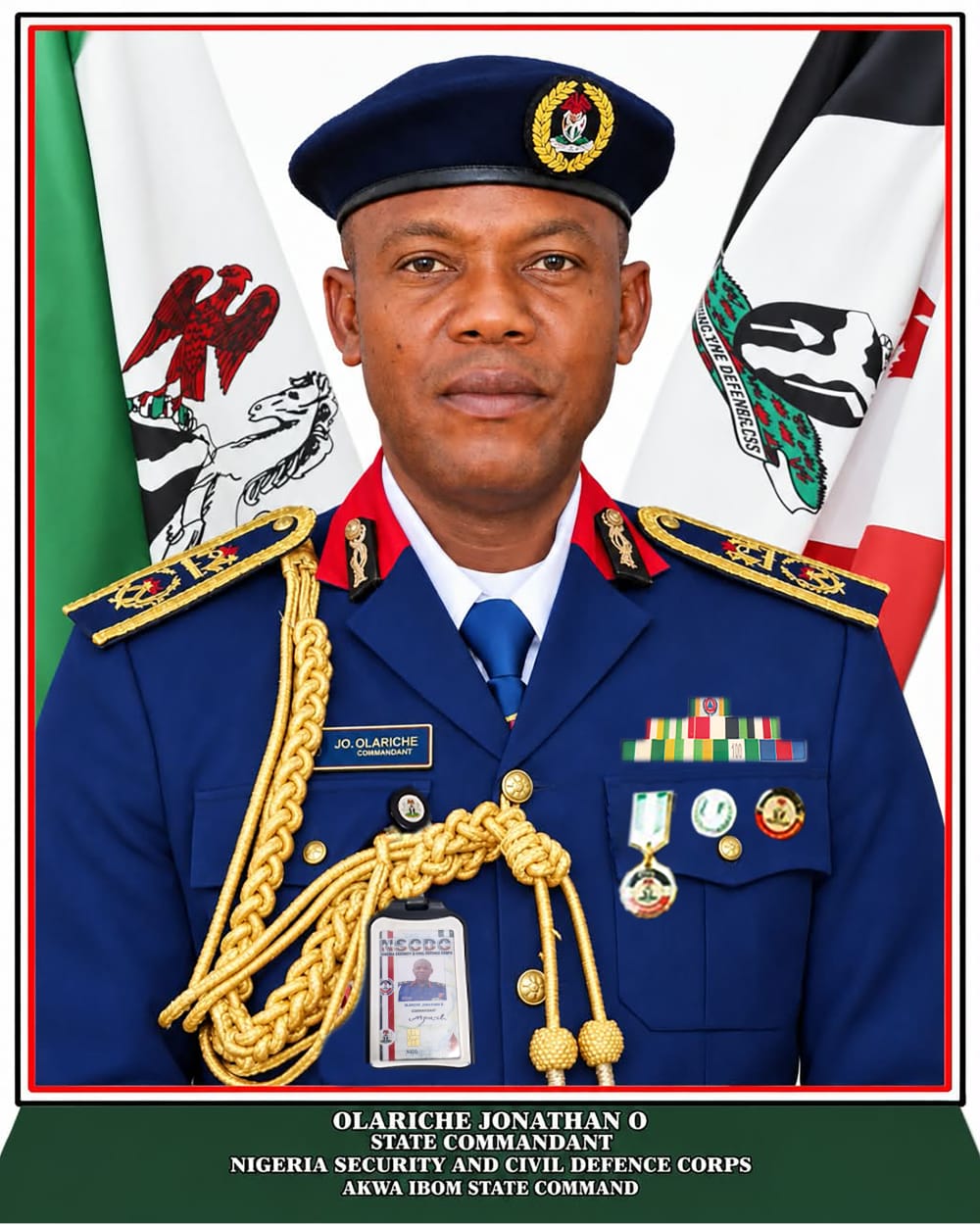
The Akwa Ibom State Command of the Nigeria Security and Civil Defence Corps (NSCDC) has begun a fresh push for operational efficiency, personnel discipline and improved protection of critical national assets following the assumption of duty by Commandant of Corps Olariche Jonathan Ogueri on October 12, 2026.
Within his first 14 days in office, Ogueri outlined a three-point agenda focusing on leadership development, advancement of the Corps’ core mandate, and capacity building and empowerment.
His administration has also emphasised punctuality, dedication, integrity and professionalism, signalling an effort to strengthen internal discipline and improve service delivery. Ogueri, who assumed office as the command’s 18th substantive State Commandant, has declared zero tolerance for failure, although the impact of the policy will depend on its consistent implementation.A major development during the period was the command’s engagement with the American Tower Company (ATC) on October 22 over the vandalism of telecommunications infrastructure.
The discussions addressed challenges confronting operators, including obstruction of maintenance engineers, restricted access to base stations and difficulties in refuelling generators. Ogueri proposed community engagement, trust building and town hall meetings as part of efforts to curb attacks on telecommunications facilities.The engagement underscores the command’s stated intention to strengthen the protection of critical infrastructure across Akwa Ibom.
Telecommunications facilities, electricity installations and oil and gas assets are essential to economic activity and public services, making their protection a major security concern. Ogueri has identified vandalism, illegal bunkering, oil theft and economic sabotage as areas requiring sustained attention. The effectiveness of the strategy, however, will depend on improved intelligence, coordinated operations and demonstrable reductions in criminal activity.
The command also organised a capacity-building workshop on the Administration of Criminal Justice Act (ACJA) 2015 on October 23. The session, facilitated by the NSCDC National Headquarters’ Director of Legal Services, Aminu Kayode Alilu, focused on lawful arrests, investigations, interrogation procedures, evidence preservation and the protection of suspects’ fundamental rights. The training is expected to reinforce officers’ understanding of legal procedures and improve the quality of investigations and evidence handling.Participants were also reminded that NSCDC personnel should not be deployed for private debt recovery outside the scope of their lawful duties. The position reinforces the distinction between the Corps’ statutory responsibilities and private commercial disputes. Consistent enforcement of the directive could help prevent the misuse of official authority, reduce legal complications and improve public confidence in the command. The challenge for Ogueri will be to ensure that officers across the state comply with the rules in their day-to-day operations.Ogueri’s professional background includes experience in operations, administration, training and manpower development, technical services and counter-terrorism.
His academic qualifications include degrees in project management technology, public administration, and peace and conflict studies. These experiences could prove useful as he pursues his reform agenda. However, his first two weeks have also come amid concerns over the reported transfer of 60 officers from Akwa Ibom to other parts of the country, an issue that has generated questions about personnel management and the financial implications for affected officers.
Transparent communication and fair administrative procedures will be important in addressing such concerns.Although the first 14 days have produced policy declarations, stakeholder engagement and professional training initiatives, it remains too early to determine whether they have translated into sustained operational improvements.
The command’s performance in the coming months will be assessed through measurable indicators, including operations conducted, critical assets protected, cases investigated and prosecuted, personnel trained and community partnerships strengthened. For Ogueri, the immediate task is to convert his stated priorities into results that can be independently assessed by residents and stakeholders across Akwa Ibom State.