 Keji Mustapha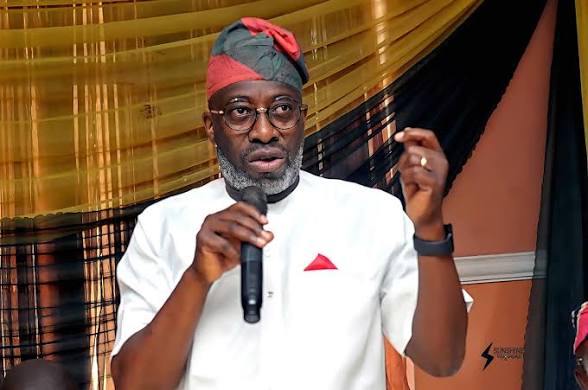
By Isiaka Mustapha, Editor-in-Chief, People’s Security Monitor
The Convener of The Alternative, Otunba Segun Showunmi, has challenged political leaders, traditional rulers, intellectuals and citizens of Northern Nigeria to confront insecurity, poverty and educational backwardness, warning that the region’s future depends on accountable leadership, strong institutions and a renewed commitment to development.
Showunmi made the call in an open letter titled “Will the North Miss History Again?” addressed to the region’s political leaders, elders, intellectuals, traditional institutions and young people. He expressed concern over persistent development challenges and urged stakeholders to move beyond rhetoric to practical measures capable of improving the living conditions of millions of people.
He argued that Northern Nigeria possessed enormous human resources, a rich cultural heritage and considerable economic potential but had yet to translate these advantages into the level of prosperity and social development its people deserved.
According to him, the region must urgently address the governance failures and structural challenges undermining its progress.Showunmi identified insecurity, poverty, inadequate healthcare, educational deficiencies and limited economic opportunities as major obstacles requiring sustained government attention. He noted that the consequences were particularly severe for children, farmers, women and young people, whose welfare and opportunities were closely linked to the region’s stability and long term prosperity.
He urged contemporary leaders to draw practical lessons from the legacies of Sir Ahmadu Bello and Sir Abubakar Tafawa Balewa, stressing that historical achievements should serve as a foundation for present day responsibility rather than an excuse for celebrating the past without corresponding progress.“History must be more than nostalgia. It must become a standard against which the present generation is prepared to measure itself,” Showunmi said.
The political commentator also called for a balanced and evidence based assessment of President Bola Ahmed Tinubu’s economic reforms, noting that their long term objectives must be considered alongside the immediate hardships confronting ordinary Nigerians, particularly vulnerable households struggling with rising living costs.He maintained that public office holders should be judged by measurable improvements in the lives of citizens rather than political popularity, campaign promises or public declarations.
He identified education, healthcare, security, employment, agricultural productivity and infrastructure as critical indicators for assessing government performance.Showunmi further urged Northern youths to become active participants in shaping the region’s future through education, vocational training, skills acquisition and peaceful civic engagement.
He also encouraged them to demand transparency, question public expenditure and hold political office holders accountable for the management of public resources.On economic development, he advocated greater investment in agriculture, local processing industries, infrastructure and enterprise development.
He stressed that improving agricultural productivity and expanding opportunities for local industries would help create jobs, strengthen household incomes and position the region to benefit from Nigeria’s changing economic landscape.
He emphasised that tackling insecurity must remain central to the region’s development agenda, as violence and criminal activities undermine farming, trade, education, investment and the movement of people and goods.
He urged governments and relevant stakeholders to pursue sustainable solutions that address both immediate security threats and the underlying social and economic conditions that fuel instability.Concluding his appeal, Showunmi warned that the region could not afford to squander its historical advantages and development opportunities.
He called for a collective commitment to responsible leadership, institutional accountability, human capital development and inclusive economic growth.“Hope without responsibility is an illusion, and pride without progress is an empty inheritance,” he said.