 Keji Mustapha
By Isiaka Mustapha, Editor-in-Chief, People’s Security Monitor
In moments of national tragedy, the true character of government is often revealed not merely by the statements it issues, but by the practical steps it takes to stand with those who have suffered. Against this background, President Bola Ahmed Tinubu’s decision to provide ₦250 million in support for the families of the 37 suspected illegal miners who died in the custody of the Niger State Command of the Nigeria Security and Civil Defence Corps (NSCDC) deserves commendation. The support, announced by Vice President Kashim Shettima during his condolence visit to Niger State on behalf of the President and the Federal Government, is, in my view, a timely demonstration of compassion at a moment when many bereaved families are confronting grief, uncertainty and financial hardship.
There is no argument that money can compensate for the loss of human life. No amount, whether ₦250 million or even billions of naira, can bring back a husband, father, son, brother or breadwinner who has suddenly disappeared from a family. The pain of bereavement cannot be measured in naira and kobo. Yet, it would also be unrealistic to pretend that financial assistance does not matter after such a devastating tragedy. The dead cannot benefit from the money, but their children, wives, parents and other dependants can. That is precisely why the Federal Government’s intervention should be seen as a humanitarian responsibility rather than compensation for life.
In my assessment, the ₦250 million intervention is particularly important because tragedy does not end with burial. For the families left behind, the consequences can continue for years. School fees still have to be paid, food must be provided, rent must be settled, healthcare must be financed and other basic family responsibilities must continue despite the absence of those who previously provided for them. A government that recognises these realities and responds with concrete assistance deserves to be acknowledged. The Federal Government has done so in this instance, and that aspect of its response should not be overlooked.
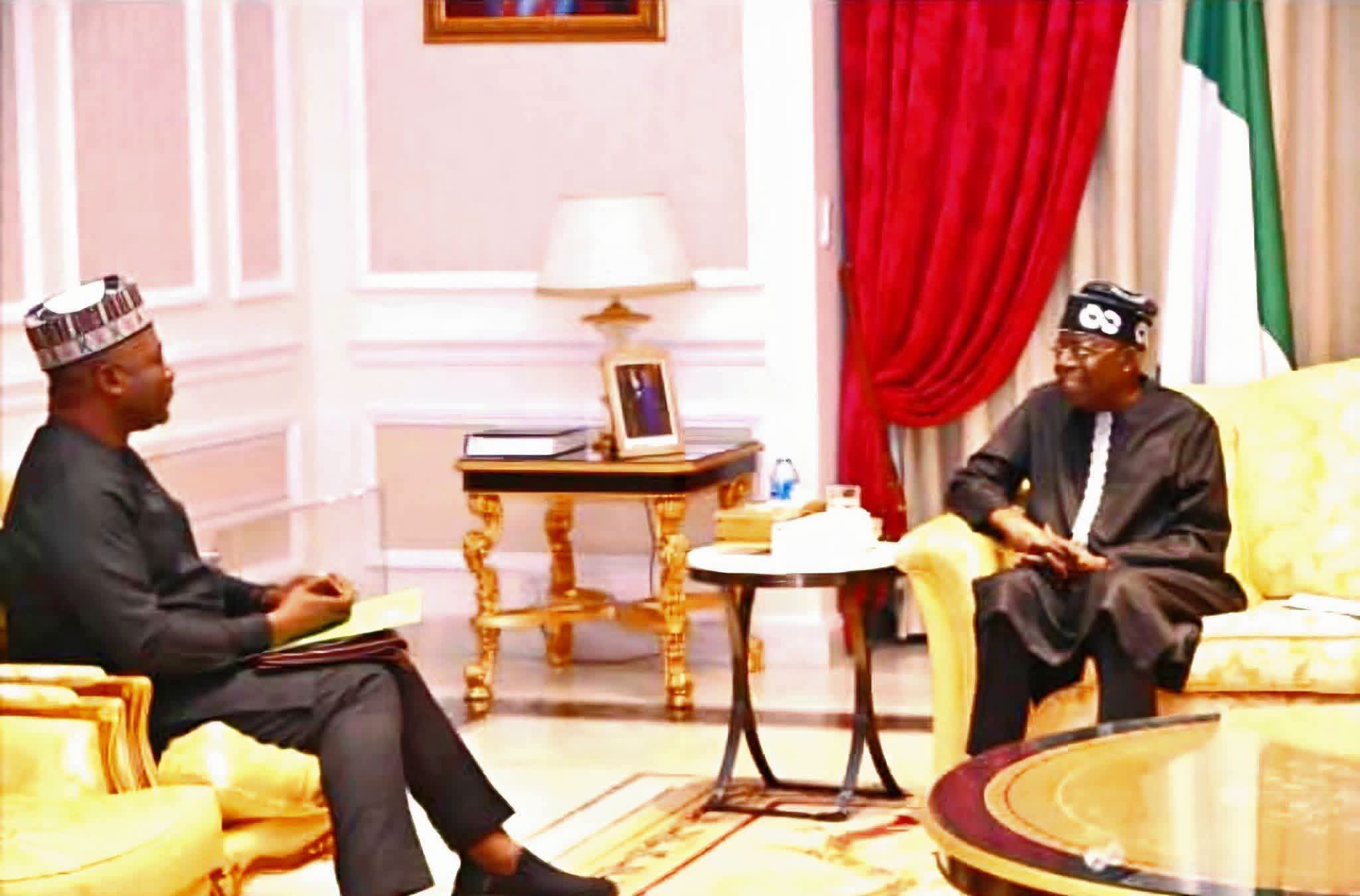
President Tinubu’s decision also becomes more meaningful because the Federal Government did not limit its response to issuing a condolence statement from Abuja. Vice President Kashim Shettima travelled to Minna to personally convey the President’s condolences and those of the Federal Government. In my view, such physical presence matters. Families mourning under circumstances as painful and controversial as these need to know that their grief has reached the highest levels of government. The Vice President’s visit, coupled with the financial intervention, sent a message that the Federal Government was prepared to share in their pain rather than merely observe it from a distance.
However, compassion must not become a substitute for accountability. This is where the Tinubu administration must remain firm. The ₦250 million support is commendable, but the bereaved families and Nigerians at large still deserve clear answers about what happened to the deceased while they were in government custody. Financial assistance cannot close the chapter on a matter that raises serious questions about the treatment and safety of persons held by a security agency. The investigation must therefore be allowed to establish the facts without interference, and where wrongdoing is established, the law must take its course.
Indeed, I believe the strongest response to this tragedy is one that combines compassion with accountability. The Federal Government can support the families while simultaneously insisting on a thorough investigation. It can extend a hand of fellowship to the bereaved without shielding anyone whose actions or negligence may have contributed to the deaths. These are not contradictory positions. On the contrary, they are the two sides of responsible governance.
The intervention also sends an important message about the value government places on vulnerable families during moments of crisis. The deceased may have been suspected of involvement in illegal mining, and that allegation must be treated within the framework of law. But even an accused person remains a human being with fundamental rights. The circumstances surrounding the deaths therefore deserve serious scrutiny, while the families of those who died should not be left to bear the economic consequences alone. Government compassion should never depend entirely on whether a deceased citizen was popular, wealthy or socially influential.
For me, the ₦250 million should therefore be regarded as more than a financial figure. It represents an opportunity for the Federal Government to demonstrate that humanitarian responsibility remains central to governance. The amount may appear large, but when shared among numerous bereaved households and considered against the long term needs of the dependants, its importance becomes clearer. If properly administered, transparently distributed and directed towards genuine beneficiaries, the money can help families educate their children, meet basic needs and begin rebuilding lives shattered by an unexpected loss.
Ultimately, President Bola Ahmed Tinubu deserves commendation for the compassionate dimension of the Federal Government’s response to the Niger tragedy. Through Vice President Kashim Shettima’s condolence visit and the announcement of the ₦250 million support package, the administration has moved beyond sympathy to practical assistance. But the responsibility does not end there. The government must ensure that the money reaches the rightful families, that the investigation produces credible answers and that anyone found responsible is held accountable. The 37 lives lost cannot be restored, and no amount of money can ever equal their worth. But if the ₦250 million succeeds in keeping children in school, putting food on family tables, supporting widows and dependants and preventing grief from becoming economic ruin, then it will have served an important humanitarian purpose. That, in my considered view, is why the Federal Government’s intervention deserves genuine commendation.