 Keji Mustapha
By Samuel Ike, Abuja
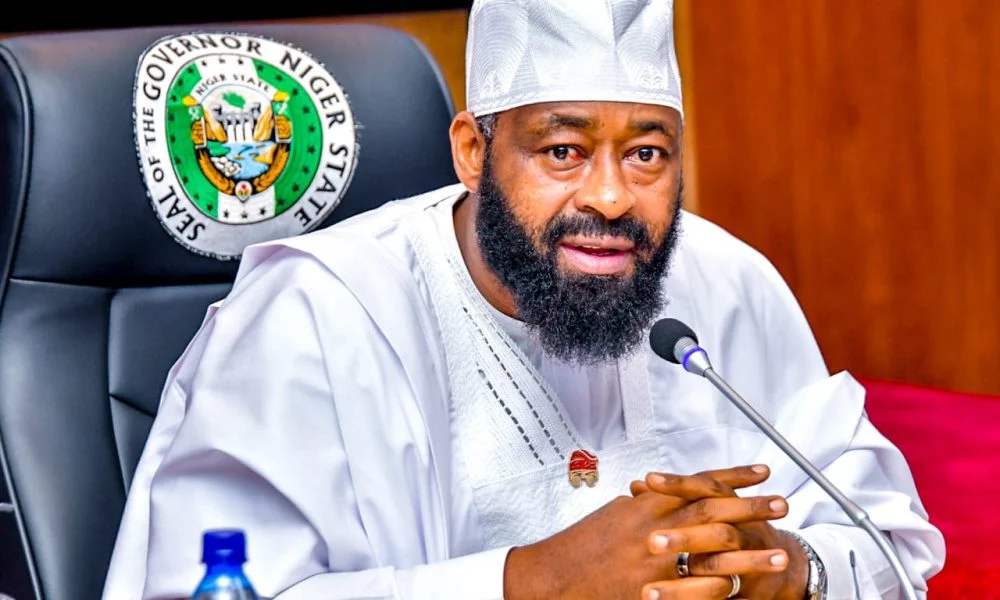
Governor Umar Bago of Niger State has raised concerns over the growing impact of artisanal mining on education, revealing that many male children in parts of the state are abandoning school in pursuit of quick financial gains from mining activities.
Speaking during a television interview, the governor described illegal and artisanal mining as a major social and economic challenge confronting the state. According to him, the trend has become so widespread that it is threatening school enrolment and the future of many young people, particularly in mining communities.
Bago cited findings from a report by the United Nations Children’s Fund (UNICEF), which indicated that communities such as Shiroro and several other local government areas could witness a drastic decline in the number of boys progressing through junior secondary education if the current situation persists. He noted that many school age children have left classrooms for mining sites in search of income.
The governor’s remarks come amid public concern over the recent deaths of 37 suspected illegal miners who died while in the custody of the Nigeria Security and Civil Defence Corps (NSCDC) in Niger State. The incident prompted the Federal Government to order a full scale investigation and led to the suspension of the state’s NSCDC Commandant and several other officers pending the outcome of the probe.
Bago lamented that many of the youths engaged in mining are reluctant to return to school after experiencing the financial rewards associated with the activity. He said the attraction of quick earnings has made it increasingly difficult to persuade them to embrace formal education.
According to him, the challenge extends beyond education and has become a broader developmental issue affecting agriculture, security and economic planning in the state. He observed that several communities once known for farming have gradually shifted their attention to mining activities.
Using Shiroro Local Government Area as an example, the governor said the area had traditionally been one of the state’s major agricultural hubs but has witnessed a significant movement of residents from farming into artisanal mining.
He argued that if the same level of effort and energy currently invested in mining were channelled into agriculture, communities would record greater and more sustainable economic benefits. He therefore called for deliberate policies aimed at reversing the trend.
The governor stressed that stronger federal intervention would be required to address the challenge effectively. He advocated restrictions on mining activities in locations where the practice has become a threat to education, public safety and community development.
Bago also acknowledged the limitations faced by state governments in tackling illegal mining, noting that key security agencies operate under federal authority. He explained that governors have limited powers in directing security operations and enforcement actions against offenders.
On the issue of parents who allow their children to abandon school for mining activities, the governor said his administration would examine possible measures to encourage compliance with educational policies and child welfare regulations.
Beyond mining, Bago identified illegal logging, poaching and other forms of environmental exploitation as major concerns in Niger State. He noted that the state possesses vast forest reserves and abundant natural resources, making it vulnerable to various forms of illegal economic activities.
The governor further alleged that some foreign nationals are involved in financing and supporting illegal operations within the state, adding that the activities contribute to insecurity and environmental degradation. He said security agencies are aware of many of these operations but often face legal and operational constraints, particularly where some operators possess official licences.
He reiterated the need for stronger collaboration among federal authorities, security agencies, regulatory bodies and local communities to curb illegal mining and protect the future of young people. According to him, decisive action is necessary to prevent more children from abandoning education and to restore sustainable livelihoods in affected communities.