 Keji Mustapha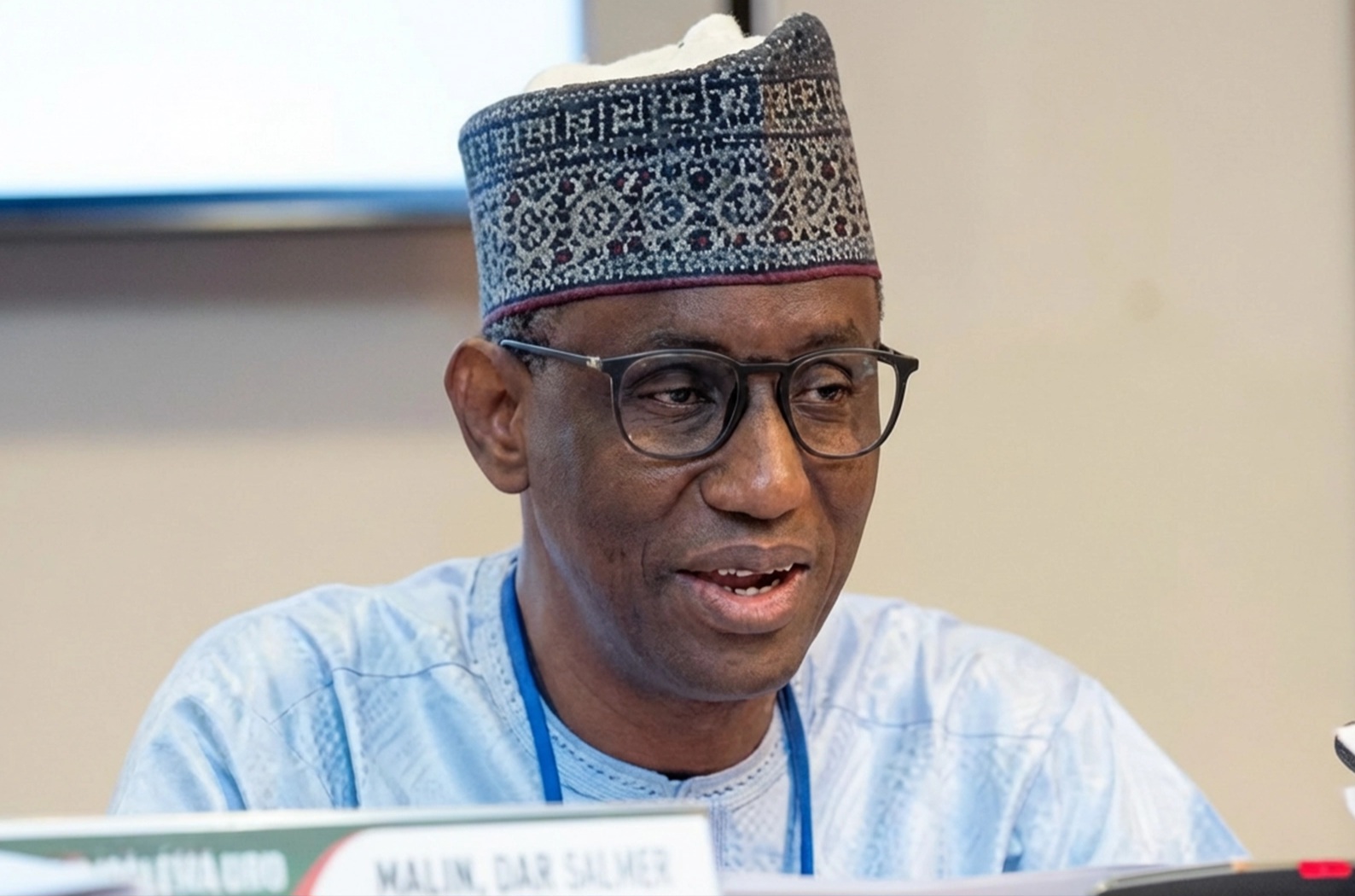
By Tunji Braimoh, Abuja
Nigeria and the United States have commenced a fresh round of high-level discussions in Washington, D.C., aimed at strengthening bilateral security cooperation, counterterrorism efforts, and strategic collaboration. The Nigerian delegation is led by the National Security Adviser (NSA), Mallam Nuhu Ribadu, while the U.S. team is headed by Under-Secretary of State Allison Hooker.
The talks bring together key Nigerian officials, including Minister of Foreign Affairs Bianca Odumegwu-Ojukwu, Minister of Defence General Christopher Musa (Rtd), and Minister of Interior Dr. Olubunmi Tunji-Ojo. Discussions are focused on reviewing progress made since the inaugural meeting held in Abuja earlier this year, assessing ongoing counterterrorism operations, and identifying new areas of cooperation to address emerging security challenges. A separate bilateral defence meeting is also scheduled to further enhance military collaboration between both countries.
The joint working group was established following the United States’ redesignation of Nigeria as a “Country of Particular Concern” (CPC), a move that prompted increased diplomatic engagement between the two nations. Both governments have repeatedly expressed commitment to protecting religious freedom, strengthening democratic values, and advancing fundamental rights, including freedom of expression, peaceful assembly, and freedom of religion or belief.
Meanwhile, the U.S. Government has raised concerns over Nigeria’s fiscal transparency practices. In its 2026 Fiscal Transparency Report, the U.S. Department of State stated that although Nigeria publishes several key fiscal documents, the information provided does not present a sufficiently comprehensive picture of government revenues and expenditures. The report also highlighted discrepancies between approved budgets and actual spending, as well as limited public access to information on procurement contracts and government expenditures.
Despite these concerns, the report acknowledged areas of progress by the Nigerian government. It noted improvements in the disclosure of public debt obligations, including those of major state-owned enterprises, and commended the legal framework governing the sovereign wealth fund. The report further observed that Nigeria has established legal procedures for awarding natural resource extraction licences and contracts, while recommending broader public access to budget proposals and enhanced transparency in public financial management.