
 Keji Mustapha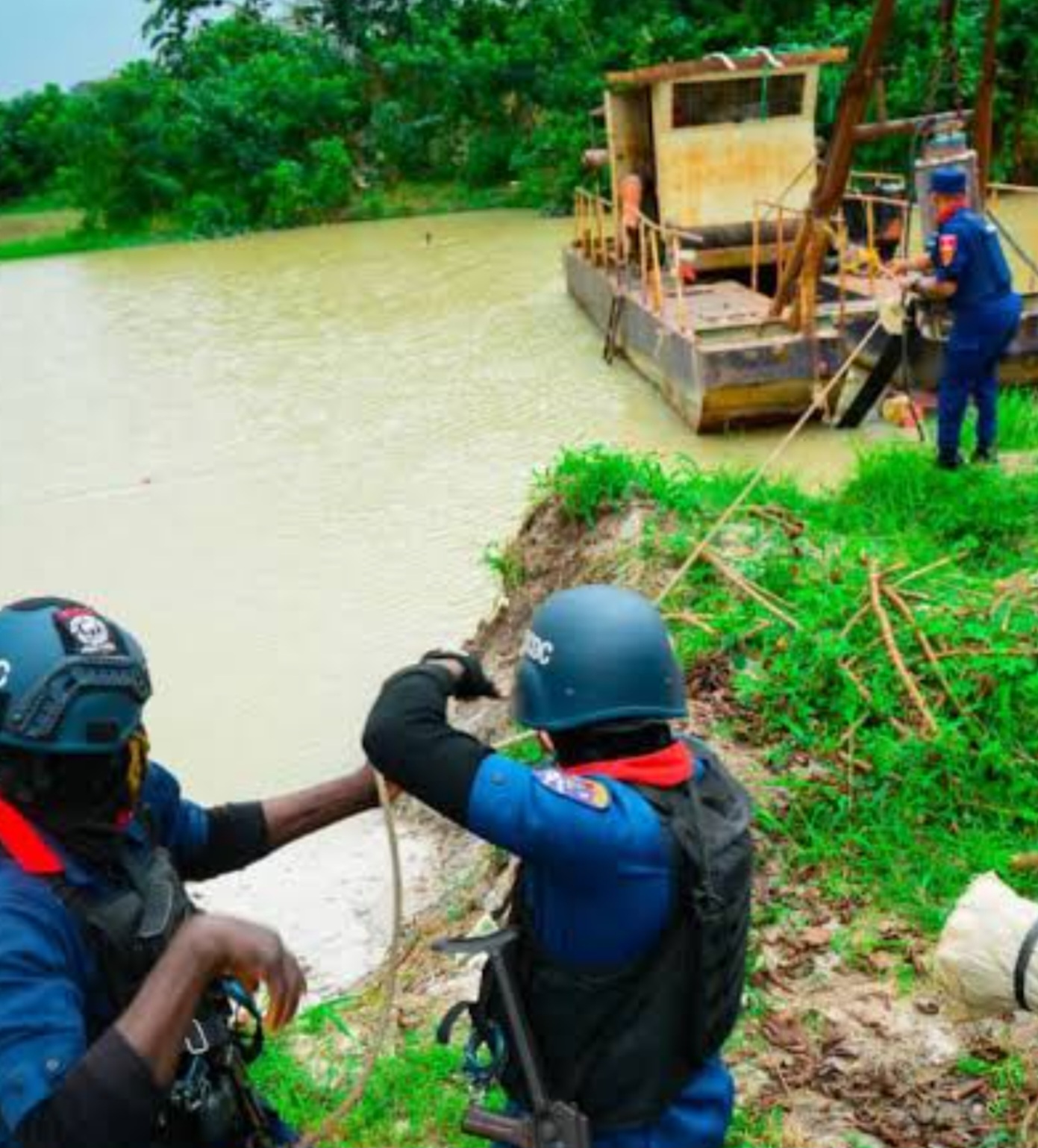
By Dr. Salisu Iliya
Nigeria’s quest for economic diversification has brought renewed attention to the solid minerals sector, a largely untapped industry with immense potential to transform the nation’s economic fortunes. Beneath the country’s vast landscape lie significant deposits of gold, lithium, tin, lead, zinc, limestone, copper, tantalite and several other strategic minerals capable of generating substantial revenue, creating jobs and attracting foreign investment. Yet, despite these abundant resources, the sector continues to face a major obstacle that threatens its growth and sustainability: insecurity.
The future of Nigeria’s mining industry depends largely on the ability of government and relevant stakeholders to provide adequate security across mining communities and operational sites. Investors are naturally reluctant to commit huge financial resources to areas plagued by banditry, illegal mining, kidnapping and other criminal activities. Mining is a capital-intensive venture that requires long-term planning, expensive equipment and a stable operating environment. Without security, the sector cannot achieve its full potential.
Over the years, illegal mining has emerged as one of the greatest threats confronting Nigeria’s solid minerals industry. Criminal syndicates have continued to exploit the nation’s mineral resources without authorization, depriving government of revenue while causing extensive environmental damage. These activities have also contributed to community conflicts, unsafe mining practices and the proliferation of criminal networks operating around mineral-rich areas.
The challenge is particularly pronounced in states such as Zamfara, Niger, Kaduna, Nasarawa, Plateau and Kebbi, where vast mineral deposits exist alongside persistent security concerns. In many instances, illegal operators have taken advantage of weak enforcement mechanisms to establish extensive mining activities outside the legal and regulatory framework. The consequences have been severe, including loss of government revenue, environmental degradation and heightened insecurity.
Recognizing the strategic importance of securing mining assets, the Federal Government established the Nigeria Security and Civil Defence Corps Mining Marshals to combat illegal mining and protect legitimate operators. The creation of this specialized unit marked a significant turning point in efforts to restore order, strengthen regulation and safeguard the nation’s mineral resources from criminal exploitation.
Since their deployment, the Mining Marshals have demonstrated remarkable effectiveness in enforcing mining regulations and protecting licensed operators. Their operations have resulted in numerous arrests, the dismantling of illegal mining camps and the recovery of sites previously controlled by unlawful operators. These interventions have reinforced government authority in mining areas and improved compliance with existing regulations.
Perhaps the most compelling evidence of the impact of improved security is the significant increase in government revenue from the sector. Official figures indicate that earnings from the mining industry rose from approximately ₦6 billion to more than ₦38 billion following intensified enforcement measures and improved regulatory oversight. This dramatic increase highlights the direct relationship between effective security and economic growth within the sector.
The achievements recorded by the Mining Marshals, however, represent only a fraction of what can be accomplished with adequate support. The unit faces enormous operational challenges due to the vast geographical spread of Nigeria’s mineral deposits. Mining locations are often situated in remote and difficult terrains that require specialized logistics, advanced surveillance technology and rapid-response capabilities.
To effectively carry out their mandate, the Mining Marshals require substantial investment in modern operational equipment. Surveillance drones, communication systems, patrol vehicles, protective gear, tracking devices and intelligence-gathering tools have become indispensable components of contemporary security operations. Criminal networks involved in illegal mining are increasingly sophisticated, making it imperative for security personnel to possess the tools necessary to stay ahead of evolving threats.
Equally important is the need for continuous training and capacity development. Mining security is a highly specialized field that requires knowledge extending beyond traditional law enforcement. Officers must understand mining laws, environmental regulations, mineral identification, intelligence gathering, forensic investigation and the complex dynamics of illegal mining operations. Regular training programmes will enhance their professionalism and operational effectiveness.
The demand for increased budgetary allocation to the Mining Marshals becomes even more compelling when viewed against the enormous economic opportunities within the sector. Despite Nigeria’s rich mineral endowment, the contribution of solid minerals to the national economy remains relatively low. This gap represents a missed opportunity that can only be addressed through deliberate investments in security, regulation and infrastructure.
Government’s ongoing reforms in the mining sector have already begun attracting local and foreign investors interested in mineral exploration and processing. However, investment decisions are strongly influenced by the level of security available in operational areas. Investors need assurance that their assets, personnel and investments will be adequately protected before committing substantial capital to mining projects.
Beyond government and security agencies, host communities also have a vital role to play in safeguarding mineral resources. Community participation, intelligence sharing and economic inclusion can significantly strengthen efforts to combat illegal mining. When local residents see tangible benefits from legitimate mining activities, they become more willing partners in protecting mining assets and reporting criminal activities.
For mineral-rich states such as Zamfara, improved mining security presents an opportunity to unlock substantial economic benefits. Increased legal mining activities can generate employment, stimulate local businesses, improve internally generated revenue and encourage infrastructure development. However, these benefits can only materialize in an environment where lawful operators are protected and illegal activities are effectively curtailed.
As Nigeria continues its drive toward economic diversification, the solid minerals sector must occupy a central position in national development planning. Achieving this goal requires more than policy reforms and investor incentives. It demands a well-funded and highly equipped security architecture capable of protecting mining assets and enforcing regulatory compliance. The NSCDC Mining Marshals have already demonstrated their strategic importance. The time has come for government to provide greater budgetary support for equipment acquisition, advanced training and operational expansion. Such investment will not only strengthen the fight against illegal mining but also secure the foundation for a vibrant, competitive and prosperous mining industry capable of contributing significantly to Nigeria’s economic future.
Dr. Salisu Iliya, a Geologist and Public Affairs Analyst, writes from Zamfara State