 Keji Mustapha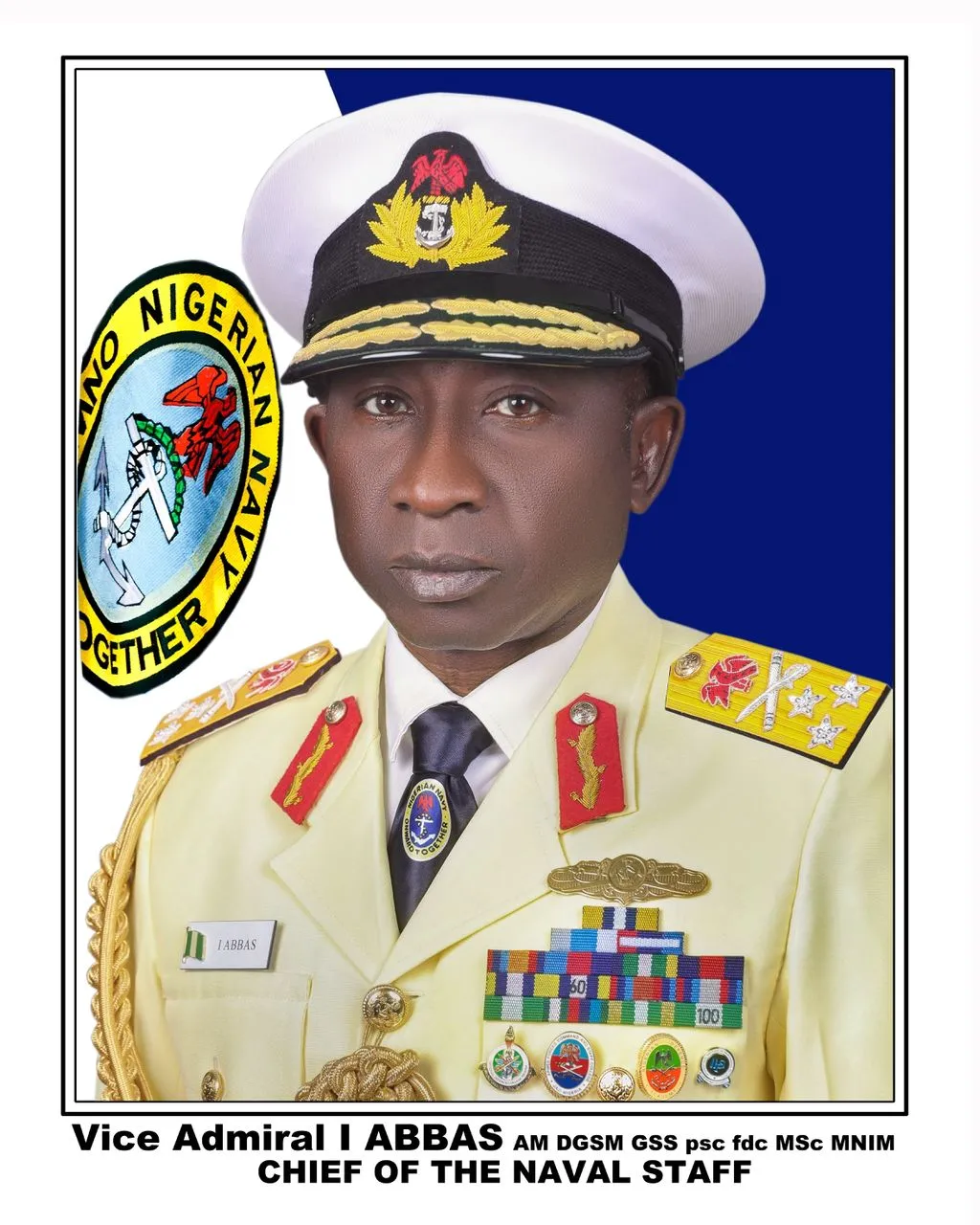
By Tunji Braimoh, Abuja
The Nigerian Navy has recorded a series of major operational breakthroughs under Operation DELTA SENTINEL during the second quarter of 2026, recovering millions of litres of stolen crude oil and petroleum products, dismantling illegal refining sites, and arresting dozens of suspects linked to economic sabotage. The achievements come as Nigeria’s crude oil production climbed to 1.735 million barrels per day in June 2026, surpassing the Organisation of Petroleum Exporting Countries (OPEC) production quota by four per cent and marking the country’s highest output level since April 2020.
Building on the gains recorded during the first quarter of the operation, the Navy intensified its offensive against crude oil theft, illegal refining, pipeline vandalism, militancy, and other criminal activities threatening the nation’s oil and gas sector across the Niger Delta region.
Between April and June 2026, naval forces conducted more than 580 intelligence-led operations across Rivers, Bayelsa, Delta, Cross River, and Lagos states. The operations resulted in the recovery of over 4.698 million litres of stolen crude oil and illegally refined petroleum products.
The Nigerian Navy also arrested more than 91 suspects allegedly involved in crude oil theft, pipeline vandalism, militancy, and related offences, while dismantling over 48 illegal refining sites operating within the Niger Delta.
In addition, several vessels suspected of being used for crude oil theft were intercepted, while criminal logistics networks supporting illicit petroleum activities were disrupted and dismantled.
Among the most notable successes recorded during the period was the arrest of the motor tankers MKPODU, WESTAF, and STELIOS K, which were allegedly linked to the theft of more than 900 metric tonnes of suspected stolen crude oil.
Naval operatives also uncovered a major illegal refining operation in Ndoni, Rivers State, where more than 708,000 litres of illegally refined petroleum products and 310,000 litres of stolen crude oil were recovered from a single site.
A series of intelligence-driven operations further led to the dismantling of reactivated refining camps, interception of illicit fuel consignments, and the disruption of criminal efforts aimed at restoring illegal refining capacity across the region.
Coordinated riverine operations resulted in the destruction of numerous illegal refining facilities, reservoirs, storage facilities, dugout pits, concealed fuel dumps, illegal pipeline connections, warehouses, and militant hideouts used by economic saboteurs.
The Navy noted a growing trend in which criminal syndicates attempt to reactivate previously dismantled refining camps. However, sustained follow-up operations prevented the resurgence of such activities and weakened the operational capacity of oil theft networks.
According to the Service, these operational achievements coincided with the recent announcement by the Nigerian Upstream Petroleum Regulatory Commission (NUPRC) that Nigeria’s crude oil production exceeded its OPEC quota.
The Navy stated that the development reflects improved security around critical oil and gas infrastructure as well as the effectiveness of ongoing efforts by security agencies to combat crude oil theft and related crimes.
It added that sustained naval presence across key waterways in the Niger Delta has significantly restricted the activities of economic saboteurs, disrupted illegal petroleum supply chains, and enhanced the protection of strategic national assets.
The Service reaffirmed its commitment to securing Nigeria’s maritime domain and protecting critical oil and gas infrastructure essential to national economic growth.
The Navy further pledged to sustain intelligence-led operations and strengthen collaboration with other security agencies to dismantle remaining oil theft networks operating within the Nigerian maritime environment.
The Service said its efforts remain aligned with the Federal Government’s target of increasing crude oil production to 2.5 million barrels per day by 2027 and with the strategic vision of the Chief of the Naval Staff, Vice Admiral Emmanuel Ikechukwu Ogalla.